School Shootings Fell in 2025, Yet Schools Overinvest in Tech Over Prevention
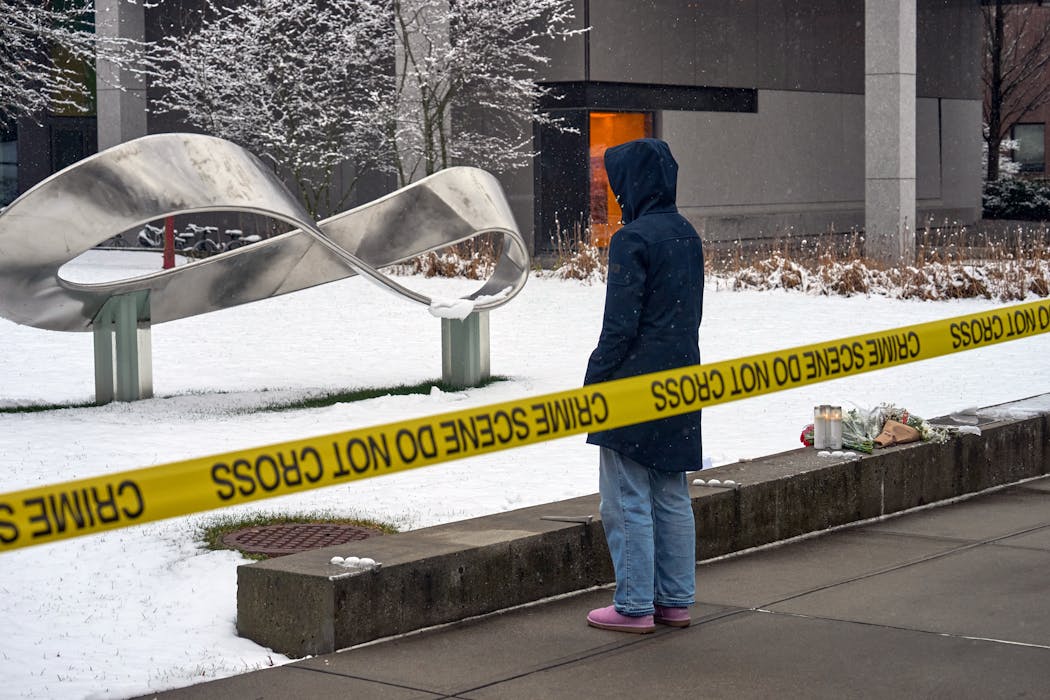
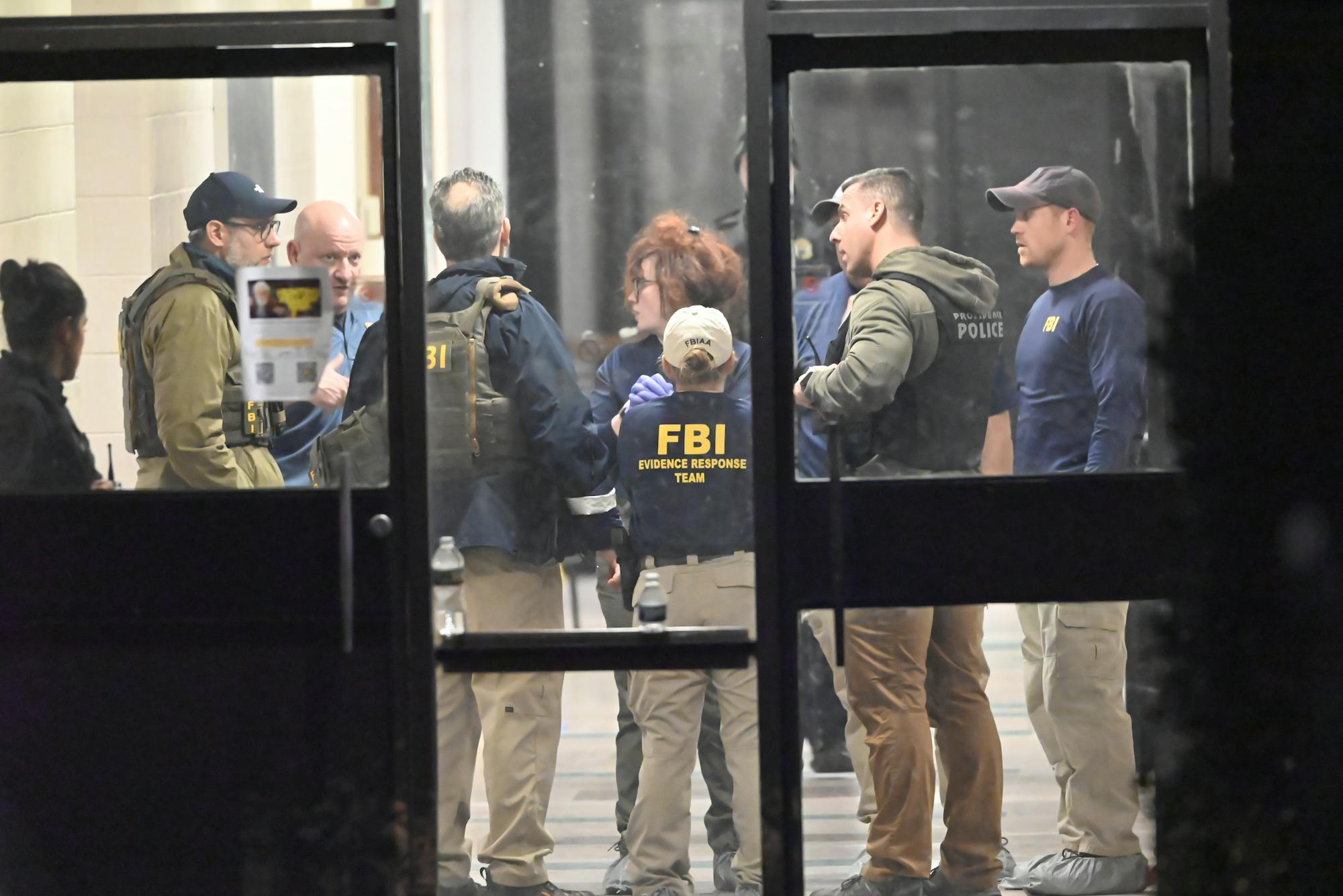
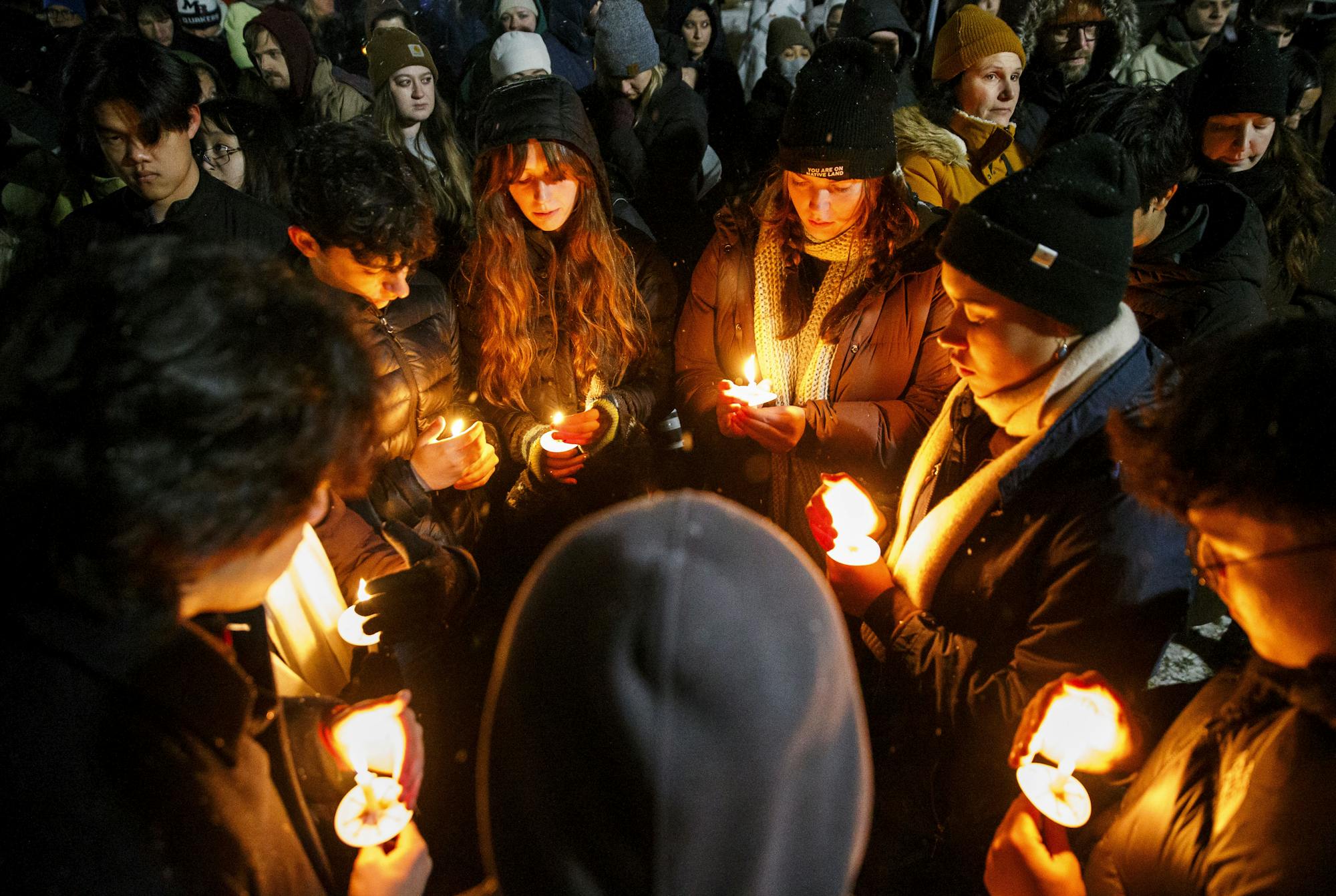
Active shootings on college campuses are rare, yet when they do occur, there are discernible patterns. Law enforcement officials investigating the Dec. 13, 2025, shooting at Brown University have noted similarities with other active shooter cases studied by scholar James Densley. According to Densley, these incidents often take place inside classrooms and involve multiple victims. The Brown University tragedy, which resulted in two student fatalities and nine injuries, marks the fourth deadly university shooting in the U.S. in 2025.
The Department of Education in Rhode Island, where Brown University is located, has urged local elementary and secondary schools to review their safety protocols. In an interview, Densley discussed how schools are being given what he calls an “impossible mandate” to prevent such tragedies.
Trends in School Shootings
School shootings at K-12 institutions appear to be declining in recent years, but this trend is not uniform. There was a significant increase in school violence between 2020 and 2024, coinciding with the broader rise in homicides and violent crime during the pandemic era. In 2025, there were 230 school shooting incidents in the U.S., compared to 336 in 2024, 352 in 2023, 308 in 2022, and 257 in 2021.
Despite this, many schools are implementing new security measures, such as cameras, drones, AI threat detection systems, weapons scanners, panic apps, and facial recognition technology. However, the effectiveness of these tools remains uncertain or poorly documented. For example, one AI software mistakenly identified a bag of Doritos as a gun, leading to a major police response.
Schools are often seen as the first line of defense against gun violence, even though the root causes—such as firearm access and societal issues—are beyond their control. This creates a situation where schools are blamed for failures that are not entirely within their power to address.
Responses to Rising School Shootings
Schools face immense pressure to solve a complex societal issue that they did not create and cannot fully manage. Even the most well-run institutions struggle to eliminate all risks when external factors contribute to violence. These attacks, though rare, are catastrophic and often lead to schools being held accountable for their preparedness.
Educators are expected to juggle multiple roles—teacher, social worker, threat assessor, and first responder—which normalizes fear and shifts responsibility onto them. A growing industry markets fear as a solvable technical problem, offering solutions like faster weapon detection. However, the evidence supporting these products is often weak, proprietary, or nonexistent.
Technology alone cannot address deeper issues such as grievances, trust, and belonging. Schools increasingly focus on tech-based prevention, but this approach may overlook the human relationships that are essential for long-term safety.
Effectiveness of Non-Tech Safety Measures
Some non-technical measures, such as ID checks and badges, can help prevent unauthorized individuals from entering school buildings. This is important not only for preventing shootings but also for reducing theft and assaults. However, the challenge arises when shooters are already affiliated with the school, making checkpoints and metal detectors ineffective.
Historically, many mass shootings in K-12 schools began outside the building and then moved inside. The real issue is not bypassing barriers but overwhelming them with force. Schools are designed to protect against rare events, but they often fail to address more common problems like interpersonal violence or community-related incidents.
Students are frequently subjected to active shooter drills, which prepare them for worst-case scenarios. However, the most common types of school shootings occur in parking lots or at sports events, and schools rarely prepare for these situations.
Prevention Through Human Systems
According to current evidence, the clearest way to prevent school shootings is through behavioral threat assessment and management. This involves identifying warning signs early and intervening before harm occurs. It is not about profiling individuals or relying solely on law enforcement but rather creating structured, team-based processes to assess risk and provide support.
For decades, more resources have been allocated to responding to shootings after they happen rather than preventing them. While locking doors and conducting drills are important, no school can become completely secure. Attackers often leave warning signs, and real prevention requires creating human systems that address these issues before they escalate.

Post a Comment for "School Shootings Fell in 2025, Yet Schools Overinvest in Tech Over Prevention"
Post a Comment