Oscars Strike Exclusive Deal with YouTube
The Academy of Motion Picture Arts and Sciences has made a significant shift in the distribution of the Academy Awards, entering into an exclusive five-year agreement that will move the Oscars to YouTube starting in 2029. This decision marks the beginning of the 101st ceremony and represents a major repositioning of Hollywood’s most prestigious event around global streaming rather than traditional broadcast television. The change also signifies the end of the ceremony's long-standing relationship with ABC as its primary U.S. network, which will continue only through the 100th ceremony in 2028 before the transition takes place.
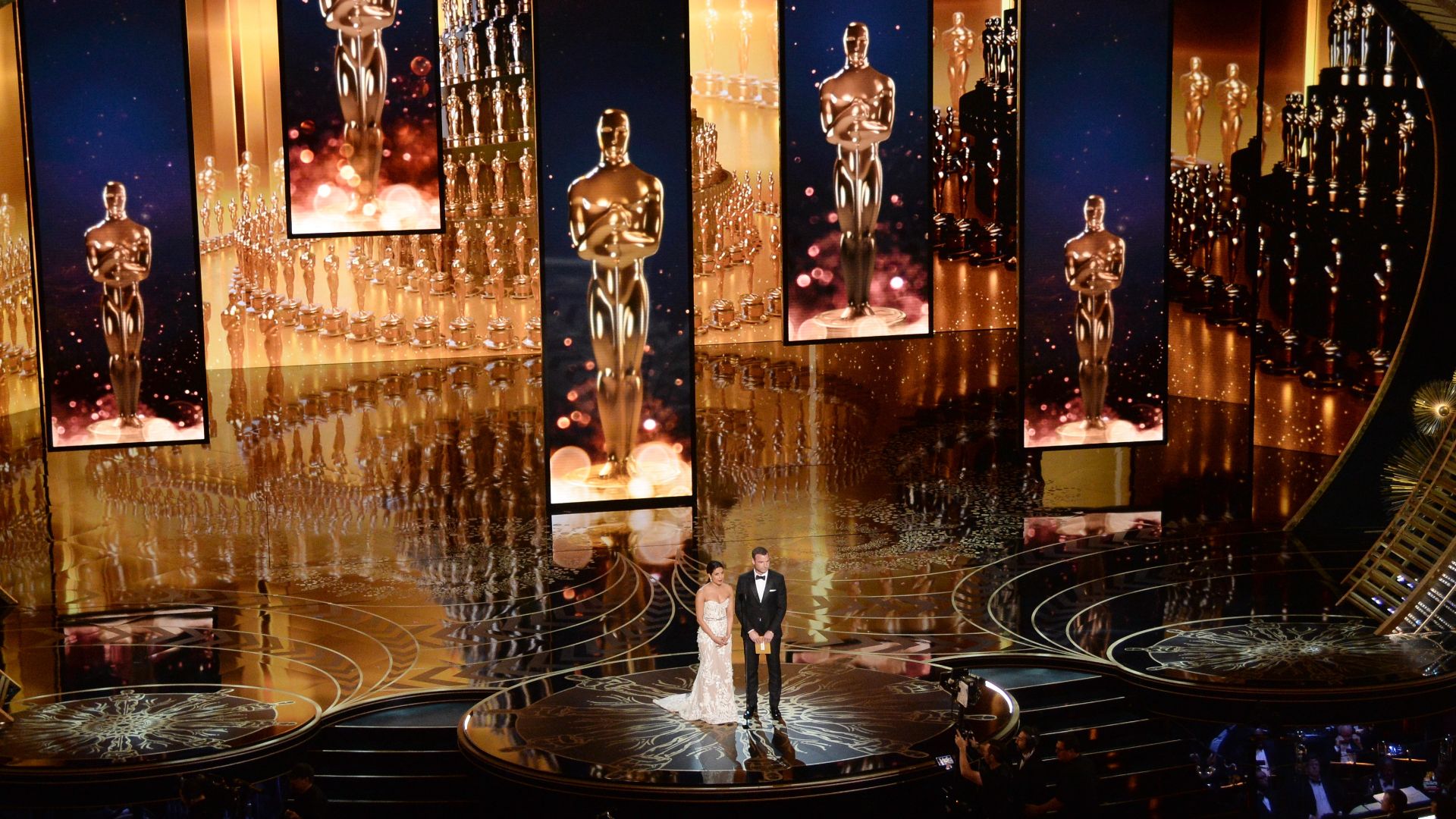
In its official statement regarding the announcement, the Academy described the YouTube deal as a strategic effort to expand access and reach, rather than just a platform change. The organization emphasized that this move is intended to push Oscar content beyond the constraints of a single U.S. broadcaster and into a truly global, always-on digital audience. According to the Academy, the partnership aims to broaden who can watch and engage with its work, arguing that the shift will help the Academy connect with audiences where they already are online. This includes making its programming more accessible, discoverable, shareable, and revisitable across different markets and time zones. As the Academy stated: «This partnership will allow us to expand access to the work of the academy to the largest worldwide audience possible».
Betting on YouTube
For many years, the Oscars were one of the most-watched events on U.S. television. However, their viewership has steadily declined as viewing habits have evolved. Nielsen data cited by CBS News shows that the telecast had never dropped below 30 million viewers until 2018, a far cry from the late-1990s peak of approximately 55 million viewers. The lowest point came during the pandemic in 2021, when the ceremony was reported to have drawn about 10.4 million viewers. Even with some recovery since then, recent numbers remain significantly lower than the franchise's former scale. For example, the 2024 ceremony attracted around 19.5 million viewers, while the 2025 event was reported to have drawn approximately 19.7 million in the U.S. This long-term decline is a key factor driving the Academy to bet on YouTube, which offers a global reach and a younger demographic. The platform provides an opportunity to connect with audiences who no longer reliably tune in for a lengthy broadcast, especially as the Academy seeks to transform the Oscars into a digital-first cultural event that thrives through clips, creators, and on-demand viewing rather than relying on a single night of linear TV.
The YouTube-Oscars deal is part of a larger shift away from the traditional television model that dominated for decades. This change signals a deeper transformation within Hollywood as legacy studios and institutions grapple with an audience that has largely moved online. Linear TV, once the undisputed home of prestige live events, is gradually losing its dominance as streaming platforms position themselves not just as distributors but as central players shaping culture, sports, and awards. This trend is highlighted by Netflix's ambitions, including its public interest in expanding through major acquisitions and reports suggesting that Warner Bros. Discovery and HBO could be potential long-term targets. Such scenarios would have been unimaginable during the peak of broadcast dominance. Together, these developments reflect an industry in flux, where tech platforms and streamers are no longer just adjuncts to Hollywood but rivals and, increasingly, its future custodians. This forces institutions like the Academy to adapt or risk becoming irrelevant in a media landscape defined more by platforms, scale, and global reach than by channels and schedules.
This content was created with the help of AI.

Post a Comment for "Oscars Strike Exclusive Deal with YouTube"
Post a Comment