Oscars on YouTube: Impact on Broadcast TV
A New Era for the Oscars: Moving to YouTube
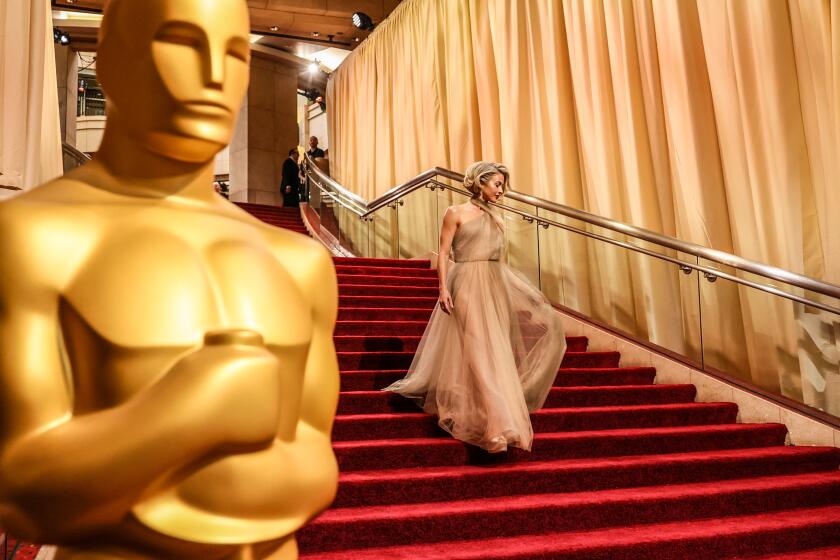
Hollywood’s most anticipated event is undergoing a major transformation. Starting in 2029, the Academy Awards will be streamed live and free on YouTube, marking a significant shift from its long-standing association with broadcast television. This move signals a broader change in how audiences consume entertainment, as digital platforms continue to dominate the media landscape.
The agreement between the Academy of Motion Picture Arts and Sciences and YouTube grants the video platform exclusive global rights to the Oscars, beginning with the 101st ceremony in 2029 and lasting through 2033. This ends a five-decade partnership with ABC, making the Oscars the most prominent awards show to transition from a traditional network to a digital-first platform. The event, including red carpet coverage and behind-the-scenes content, will stream live on YouTube worldwide, with U.S. viewers also able to watch via YouTube TV.
Addressing Declining Viewership
The decision comes as the Oscars face challenges with declining viewership and cultural relevance. While the 2025 telecast, hosted by Conan O'Brien, attracted around 19.7 million viewers across ABC and digital platforms, this number is still far below the 40-plus million who tuned in during the 1990s and early 2000s. This trend reflects a broader shift in audience behavior, with more people turning to streaming services and social media for entertainment.
YouTube, with over 2 billion monthly logged-in users, offers a vast global reach that traditional networks cannot match. In a joint statement, Academy CEO Bill Kramer and Academy President Lynette Howell Taylor emphasized that the partnership aligns with the organization’s growing international focus. They highlighted the potential to expand access to cinema, inspire new filmmakers, and provide global access to film history.
The Rise of Streaming
This move is part of a larger shift in how audiences consume television. This year, streaming surpassed broadcast and cable to become the largest share of TV viewing. According to Nielsen, YouTube, including its core platform and YouTube TV, accounted for nearly 13% of all TV viewing in October. Disney's networks, including ESPN, ABC, and Disney+, followed closely with 11.4% of the market.
YouTube's influence extends beyond just video content. Its TV service, YouTube TV, is currently the third-largest pay-TV distributor in the U.S., with about 10 million subscribers. Analysts predict that YouTube TV could surpass both Comcast and Charter Communications' Spectrum service within the next few years. By 2029, when the Oscars move to YouTube, the platform may already be the dominant force in traditional television.
Expanding the Oscars' Reach
The Oscars' move to YouTube is part of a broader realignment among award shows seeking larger audiences on streaming platforms. The Golden Globes air on CBS and stream on Paramount+; the Primetime Emmys rotate among broadcast networks while also streaming on Paramount+. The Screen Actors Guild Awards have recently been streamed on Netflix, which some had considered a potential future home for the Oscars.
This shift also highlights the growing influence of tech companies in Hollywood. Major studios and cultural institutions are increasingly becoming part of larger tech platforms. Amazon acquired MGM in 2022, and Netflix is pursuing an $82.7-billion deal to acquire Warner Bros. film and TV studios, HBO, and HBO Max.
A Digital Hub for Cinema History
Beyond the live broadcast, the agreement establishes a long-term digital hub for cinema history. Through the Google Arts & Culture initiative, the partnership will provide digital access to select Academy Museum exhibitions and programs. Most significantly, Google will help digitize portions of the Academy Collection, the largest film-related archive in the world, which houses over 52 million items. This effort aims to create a permanent "hub for film fans" that extends the brand beyond a single night of awards.
Implications for Broadcast Networks
For traditional broadcast networks, the Oscars’ move to YouTube represents a major shift. It could signal a trend of mass-audience properties leaving traditional venues. NFL Commissioner Roger Goodell has expressed interest in renegotiating the league’s media rights deal, which currently pays $11 billion annually. The league can opt out of the pact in 2029 (2030 for ESPN), opening the door for tech giants like Netflix and Amazon to play a larger role.
However, not all experts believe the Oscars are a must-have for traditional TV. Bill Hague, executive vice president for Magid, notes that while live events remain important, he doesn’t see the Oscars as essential. He points to sports events, the Westminster Dog Show, and the Macy’s Thanksgiving Day Parade as examples of growing live TV content.
The End of an Era
The loss of the Oscars may also be linked to another significant change in the media industry — the expected departure of Disney CEO Bob Iger in 2026. Iger, who joined ABC in 1974, was a strong advocate for the Oscars, believing in its prestige and value to the network. Even when the telecast was no longer a significant moneymaker, he supported renewing the contract with the Academy.
As the Oscars prepare to make their digital debut on YouTube, it marks the end of an era for traditional broadcast networks and the beginning of a new chapter in the way audiences experience Hollywood’s biggest night.

Post a Comment for "Oscars on YouTube: Impact on Broadcast TV"
Post a Comment