Opinion: 'Stop the Music' in Trump's Grand Ballroom
The Legacy of "Stop the Music" and a New Legal Battle
In the late 1940s, the radio and TV show “Stop the Music” captivated audiences by challenging contestants to guess song titles based on short musical clips. Fast forward to today, and the phrase “Stop the Music” has taken on a new and serious meaning. It now represents a legal plea from the National Historic Trust, urging a halt to the construction of a new ballroom in the White House.
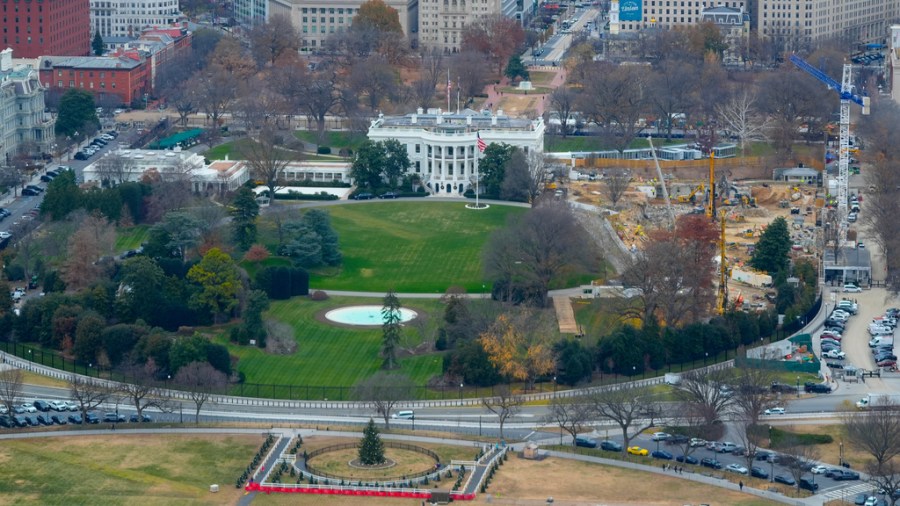
This recent lawsuit, filed against President Trump, the Department of Interior, the National Park Service, the General Services Administration, and their respective heads, argues that the destruction of the East Wing of the White House was carried out without proper legal review. The trust is seeking a temporary restraining order to stop the construction until the courts can determine its legality.
“No president is legally allowed to tear down portions of the White House without any review whatsoever — not President Trump, not President Biden, and not anyone else,” the suit states. “And no president is legally allowed to construct a ballroom on public property without giving the public the opportunity to weigh in.”
A Symbol of American Identity
The White House is more than just a residence for the president; it is a symbol of American identity. Most Americans feel a connection to the White House, even if they have never visited it. Its modest size is a deliberate choice, reflecting the values of the nation's founding. Following George Washington’s direction, architect James Hoban designed a home for the president that was the visible opposite of the British monarchy's royal residence. This design emphasizes that the president lives in a house, not a castle.
The American people own the White House, not the president who occupies it temporarily. While the president may use it during their term, they do not have the right to repaint, enlarge, or destroy any part of it without legal authority. This is not just tradition; it is the law of the land.
Legal Violations and Constitutional Concerns
The National Trust’s filing highlights three key laws that were allegedly broken by Trump’s actions. First, federal agencies planning developments affecting the National Capital must consult with the National Capital Planning Commission before preparing construction plans. Trump did not follow this requirement. Additionally, agencies must seek advice from the Commission on Fine Arts, which Trump also neglected. Furthermore, under the National Environmental Protection Act, an environmental impact statement should have been prepared and made available for public comment, which did not happen.
Beyond these statutory violations, the brief notes that the ballroom project violates the Constitution’s Property Clause. This clause places exclusive authority over federal property with Congress. The law is clear: only Congress can authorize the construction or destruction of federal buildings. However, Congress was never consulted about the White House ballroom, learning about it through media images of the demolished East Wing.
A Fundamental Question of Authority
This case is more significant than other challenges to Trump’s actions because it questions whether the president has any authority at all under the Constitution to carry out such actions. The Historic Trust has raised the most fundamental issue: not about the size of the ballroom, but whether the president must obey the law.
Bill Press is host of “The Bill Press Pod.” He is the author of “From the Left: A Life in the Crossfire.”
Copyright 2025 Nexstar Media, Inc. All rights reserved. This material may not be published, broadcast, rewritten, or redistributed.
For the latest news, weather, sports, and streaming video, head to The Hill.

Post a Comment for "Opinion: 'Stop the Music' in Trump's Grand Ballroom"
Post a Comment