Judge Hesitant to Stop White House Ballroom Construction Temporarily
Legal Battle Over White House Ballroom Construction
U.S. District Court Judge Richard Leon has signaled his inclination to deny a request for a temporary restraining order (TRO) aimed at halting the construction of President Donald Trump's White House ballroom. A written decision is expected by Wednesday. Leon, who was appointed by George W. Bush, expressed that the National Trust for Historic Preservation has not demonstrated the kind of irreparable harm necessary to justify court intervention for the 14 days a TRO would be in effect.
However, Leon has decided to hold off on making a final ruling on the issues raised by the National Trust until a preliminary injunction hearing next month. During this time, the court will assess whether the preservation group has met the legal threshold to halt the project.
Key Arguments and Legal Questions
The case centers on whether laws governing construction in Washington, D.C., apply to the president’s residence. Lawyers for the National Trust for Historic Preservation and the Trump administration debated this issue during a roughly 45-minute hearing. The preservationists argued that the construction violates existing regulations, including the 1952 National Capital Planning Act and a 1912 statute requiring congressional approval for buildings on park land in the capital.
“This is a simple motion,” said Tad Heuer, attorney for the National Trust, as he began his argument. However, Judge Leon quickly interrupted him with a pointed question: “Simple? That’s a matter of opinion, my friend. And I get to write the opinion.”
Leon focused his questions on the legal implications of whether the construction is above ground or below ground. He also questioned the significance of the ongoing work, particularly regarding the potential impact on the White House’s structure.
Concerns About the Ballroom Project
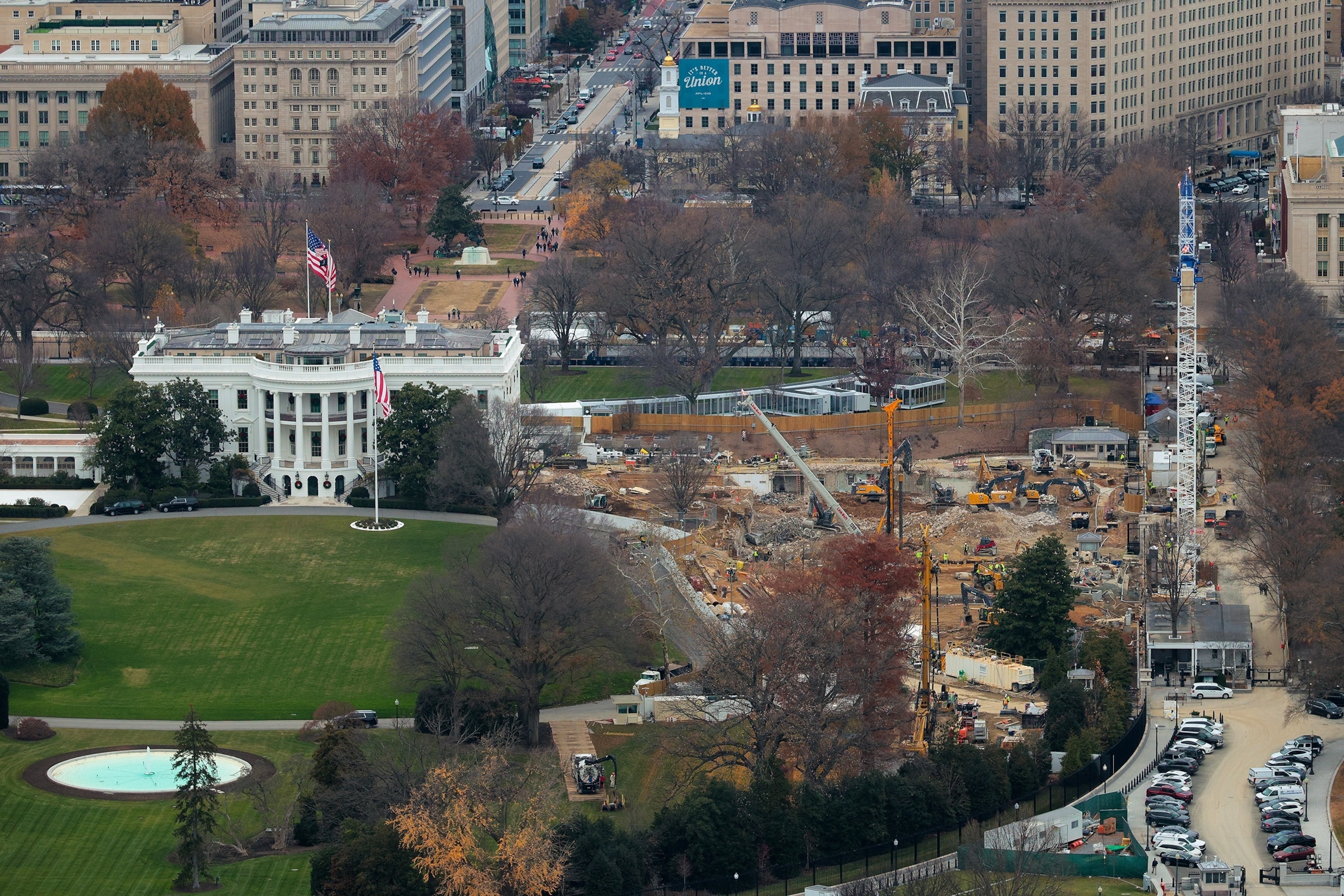
Heuer highlighted reports of piledrivers operating around the clock, urging the judge to stop the work because the foundation could affect the building’s height and width. He also argued that the National Trust is harmed by the lack of public input on the changes to the White House.
“It is more than the president's residence,” Heuer stated. “This case is not about the need for a ballroom. It is about the need to follow the law.”
On the other side, Justice Department lawyer Adam Gustafson emphasized that the administration plans to consult with an “ex-officio” member of the National Capital Planning Commission. He also noted that the design of the ballroom is still in progress, with a new architect recently hired.
Ongoing Legal Uncertainty
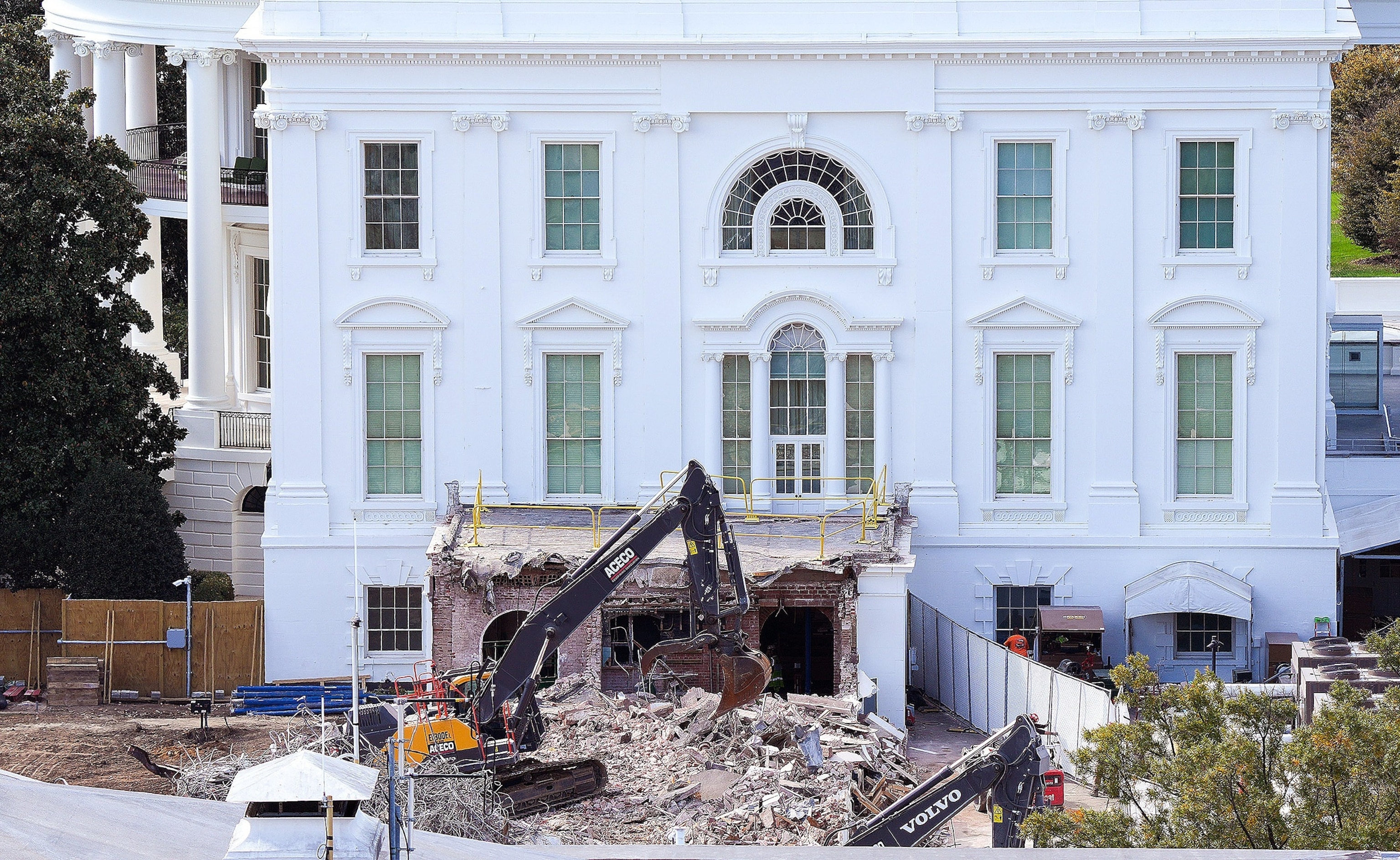
Leon suggested that he is likely to allow the construction to continue through the end of the month, citing the administration’s promise to consult the National Capital Planning Commission before the end of the year. However, he warned the administration that if any underground work occurs over the next two weeks that might affect the above-ground portion of the ballroom, the government should be prepared to dismantle it.
Heuer responded skeptically, noting that the phrase “within the next two weeks” has become a common refrain from the administration.
Future Steps
Leon concluded the hearing by indicating that he would revisit the broader issues raised by the National Trust at a preliminary injunction hearing next month. While he has not yet ruled on the TRO, the outcome of the upcoming hearing will determine whether the construction can proceed without further legal challenges.
For now, the White House ballroom project remains in limbo, with the court’s final decision pending. The legal battle highlights the complex interplay between presidential authority, historic preservation, and federal regulations.

Post a Comment for "Judge Hesitant to Stop White House Ballroom Construction Temporarily"
Post a Comment