Judge Blocks Trump's White House Ballroom Plan Over Security Concerns
Legal Battle Over White House Ballroom Construction
A federal judge has denied an emergency request from preservationists to halt the construction of a new ballroom at the White House, but raised concerns about potential future actions by the Trump administration. The decision highlights the ongoing legal and political tensions surrounding the project.
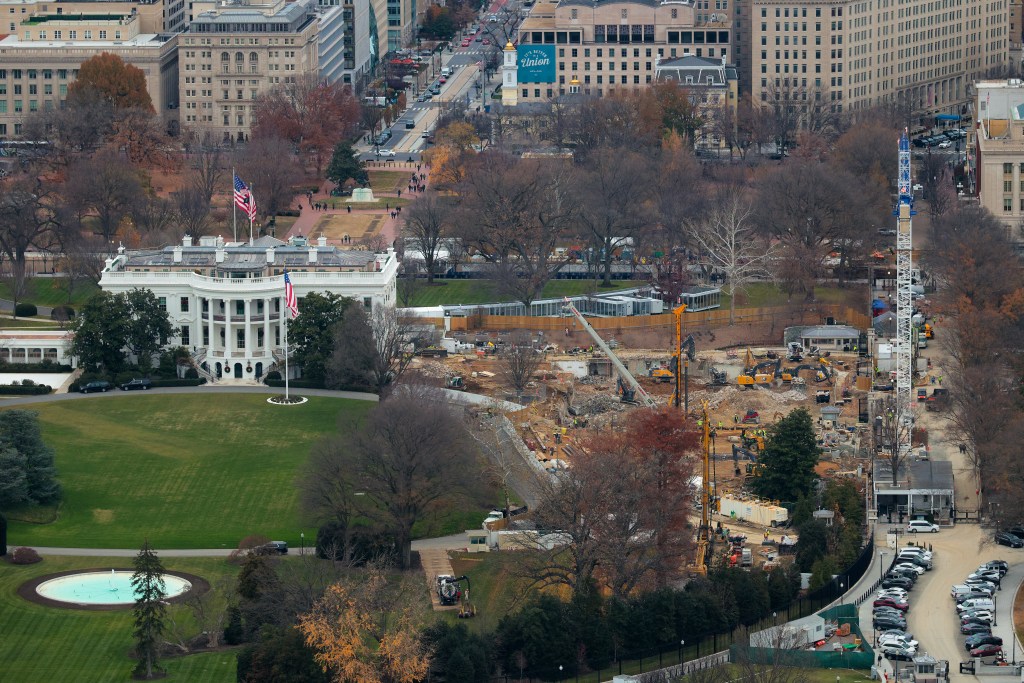
US District Judge Richard Leon, appointed by George W. Bush, ruled that the preservationists did not demonstrate irreparable harm from the ongoing construction. He emphasized that the underground work for the ballroom does not determine its final design or size. This ruling came just a day after the Secret Service warned that halting the project could pose significant national security risks.
National Security Concerns Raised
The Secret Service's deputy director, Matthew Quinn, stated that most of the "temporary security measures" in the ballroom construction area have been completed, but some work remains unfinished. He warned that any pause in construction would leave these obligations unmet, potentially hampering the agency's ability to fulfill its protective mission.
Quinn suggested providing a classified briefing on the specific reasons why pausing the construction could jeopardize national security, especially after two assassination attempts on President Trump. However, he did not elaborate further in the public filing. The Post reached out to the Secret Service for more details.
Preservationists' Lawsuit
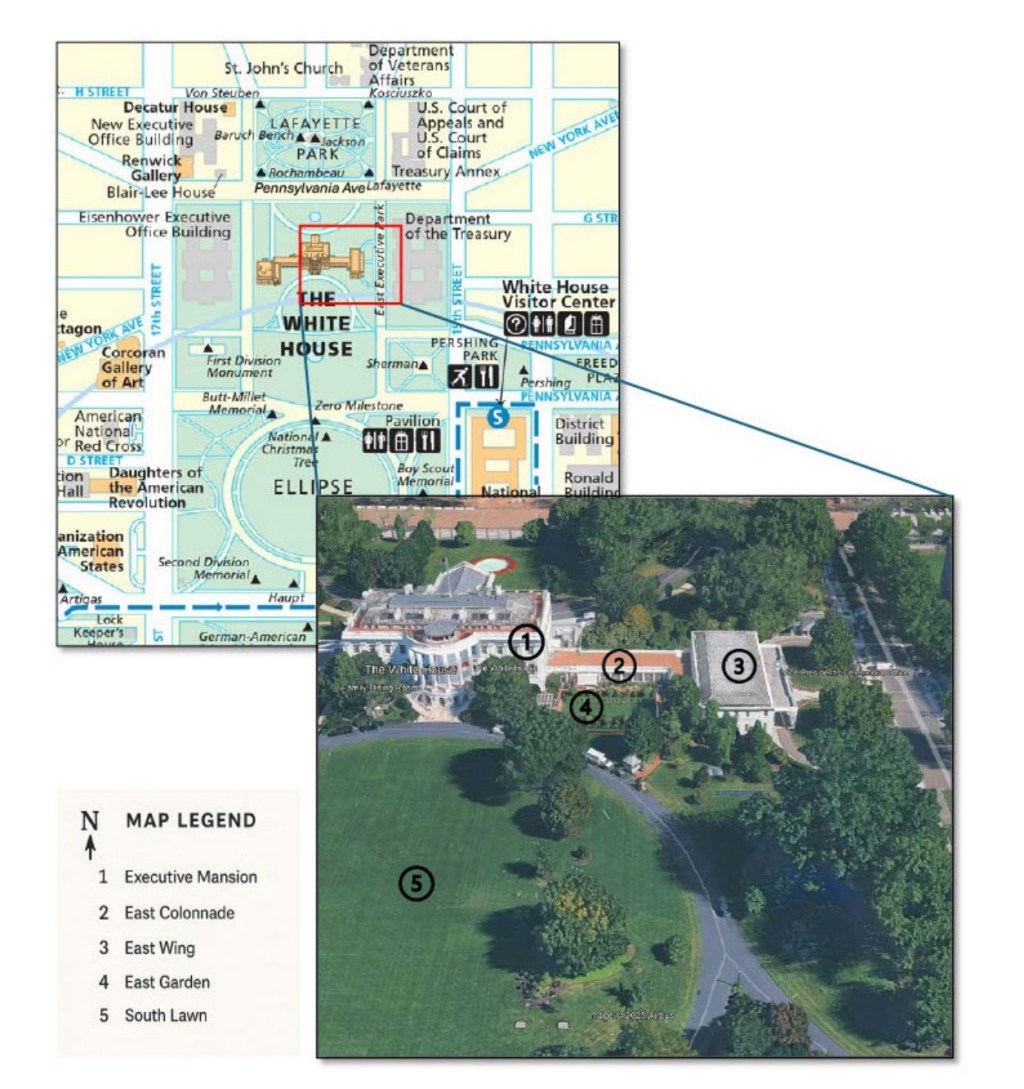
The lawsuit was filed by the National Trust for Historic Preservation, a nonprofit organization tasked with protecting America’s historic buildings. The group argued that the Trump administration cannot unilaterally remove parts of the executive mansion without public input.
In response to the lawsuit, the administration stated that the plans for the ballroom are not final and claimed it will have no significant impact on the surrounding environment. They also mentioned seeking input from relevant agencies, including the National Capital Planning Commission and the Commission of Fine Arts, before starting above-grade construction, which is expected to begin in April.
Environmental and Historical Concerns
Another issue raised by the National Trust involved the demolition of the East Wing, which was historically used by the first lady. The group expressed concerns about environmental hazards, such as asbestos and lead paint, which may be present in buildings over 120 years old. They also criticized the disposal of debris from the East Wing into a public park, noting the lack of a plan to address potential hazards.
The National Trust highlighted that the White House ballroom represents the most significant change to the executive mansion in at least 80 years. President Trump has long advocated for the construction of a ballroom, even offering to fund it during the Obama administration. The initial price tag for the project was $200 million, which has since increased to $300 million, with the project being privately funded.

Demolition and Ongoing Controversy
The demolition of the East Wing, which took place in October, marked the beginning of the construction process. The controversy surrounding the project continues, with preservationists and the Trump administration engaged in a legal battle over the implications of the changes to the White House.
As the construction moves forward, the debate over the balance between historical preservation and modernization remains a focal point of public and political discourse. The outcome of this legal challenge could set a precedent for future projects involving historic sites.

Post a Comment for "Judge Blocks Trump's White House Ballroom Plan Over Security Concerns"
Post a Comment