Hyundai Targets Toyota 4Runner and Tacoma—But This Is Just the Beginning
Hyundai's Ambitious Plan for North American Growth
Hyundai has set an ambitious goal to achieve 1.44 million sales in North America by 2030, with a heavy focus on localization and product diversification. This strategic move is aimed at solidifying the company's position as a major player in the automotive market. The plan includes building more vehicles in the United States and sourcing a significant portion of parts domestically.
The foundation of this plan is rooted in localization. Hyundai aims to have 80% of its vehicles built in the U.S. and 80% of parts sourced from within the country. This approach not only supports the local economy but also reduces costs and enhances supply chain efficiency.
Expanding Production Capacity
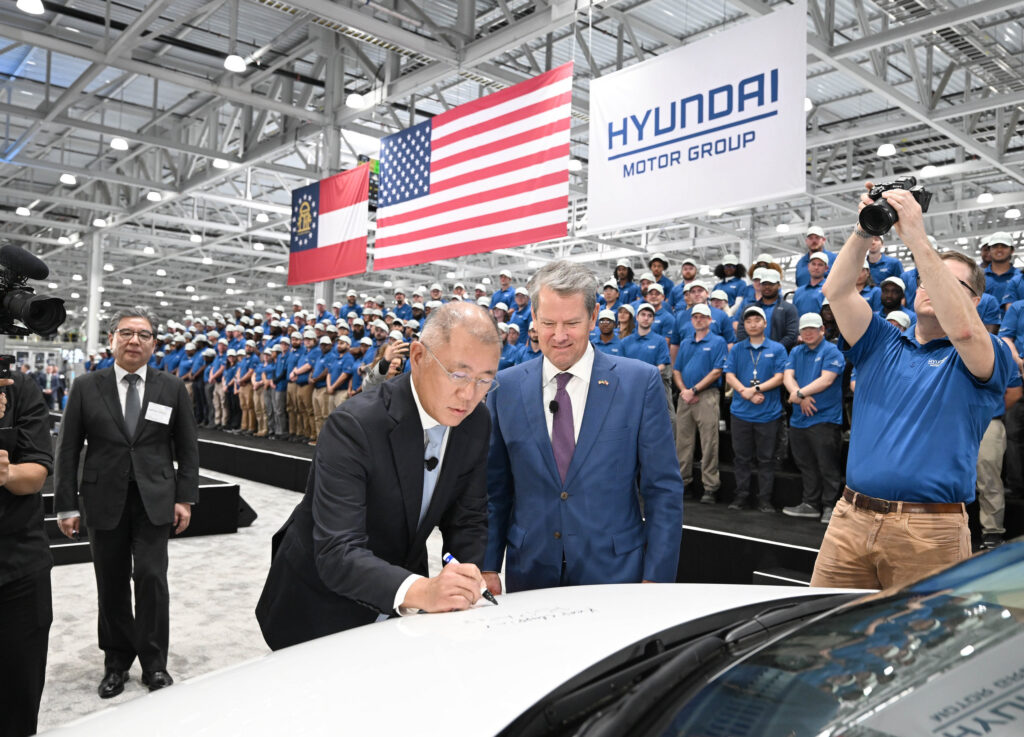
To support this growth, Hyundai is ramping up production at its Metaplant in Georgia. A second phase of expansion is set to add 200,000 units of annual capacity starting in 2028. This will allow the plant to produce up to 10 hybrid and electric models. Additionally, Alabama is receiving an extra boost in production capabilities, further enhancing Hyundai's manufacturing footprint in the U.S.
New Product Lineup
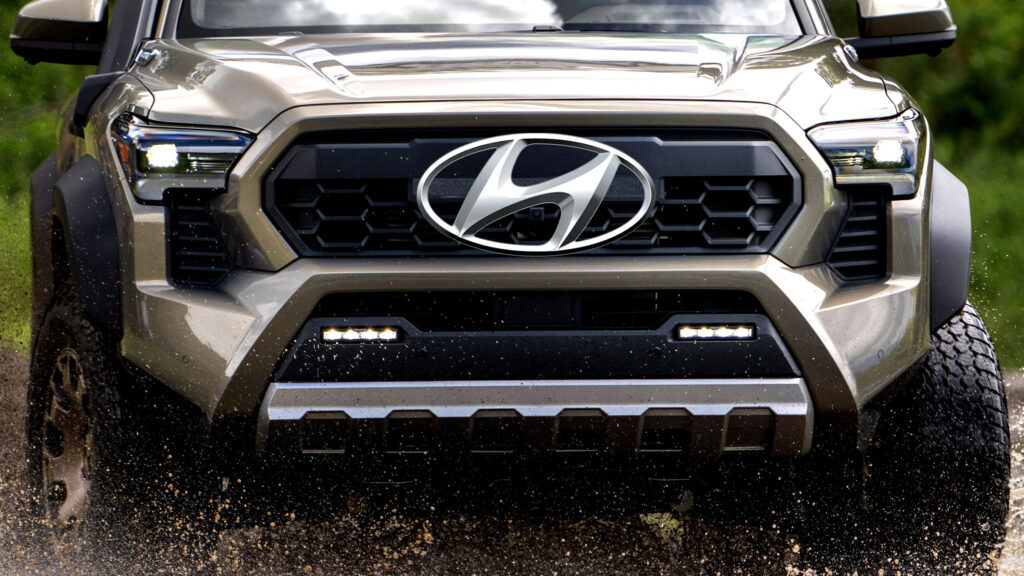
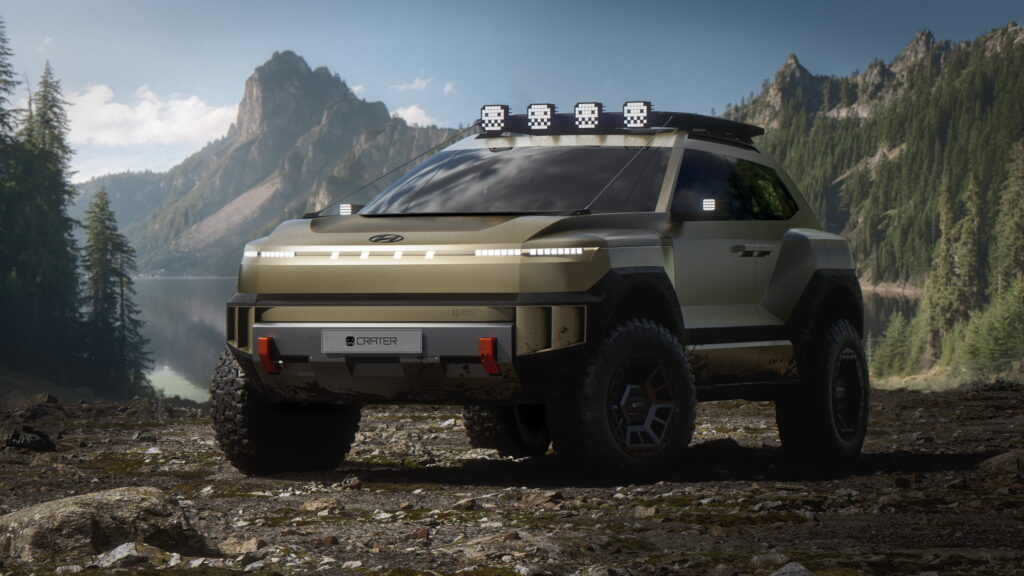
New products are a key component of Hyundai's strategy. CEO Jose Munoz emphasized that the company is not holding back in its product development. A body-on-frame midsize pickup is set to launch before 2030, aiming to compete with the Toyota Tacoma. There are also plans for an SUV cousin on the same platform, which could rival the popular 4Runner.
In addition to pickups, Hyundai is focusing on commercial vehicles, including electric vans and medium-duty trucks. The Genesis brand is also getting its own share of attention, with upcoming performance models and fresh luxury segments designed to attract high-margin customers.
Strategic Partnerships
Partnerships are another crucial pillar of Hyundai's strategy. The collaboration with General Motors allows for the co-development of five models, including electric vans for North America and a mix of compact and midsize models for Central and South America. This partnership enables both companies to scale faster and leverage each other's strengths.
Hyundai is also investing in technology collaborations. For instance, partnerships with Amazon Autos for digital retail and Waymo for future autonomous ambitions are part of the company's broader vision.
Electrification Strategy
Hyundai's electrification strategy is equally aggressive. The company plans to introduce more than 18 hybrid models by 2030. A new extended range EV platform with over 600 miles of range is set to launch in 2027. This platform uses in-house, high-performance batteries, achieving full EV power with less than half the battery capacity compared to conventional EREVs.
By 2027, Hyundai's next-generation batteries are expected to deliver a 30% cost reduction, 15% higher energy density, and 15% shorter charging times. These advancements are expected to significantly impact EV adoption.
Munoz emphasized that Hyundai will not choose between hybrids and EVs, instead offering a range of options from fuel cells to plug-ins.
More N Models
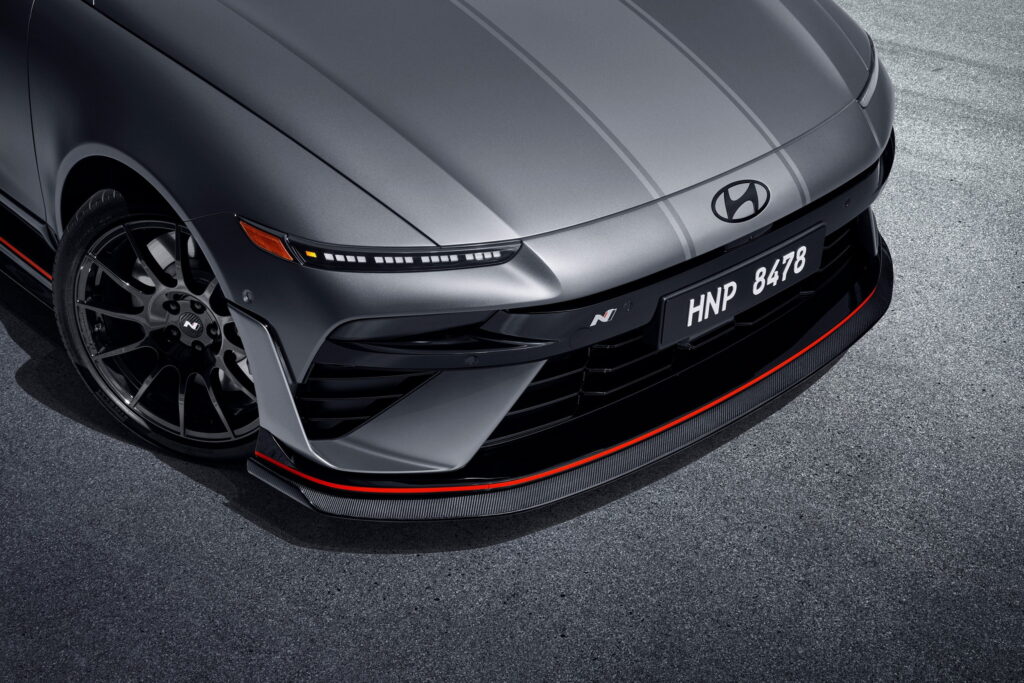
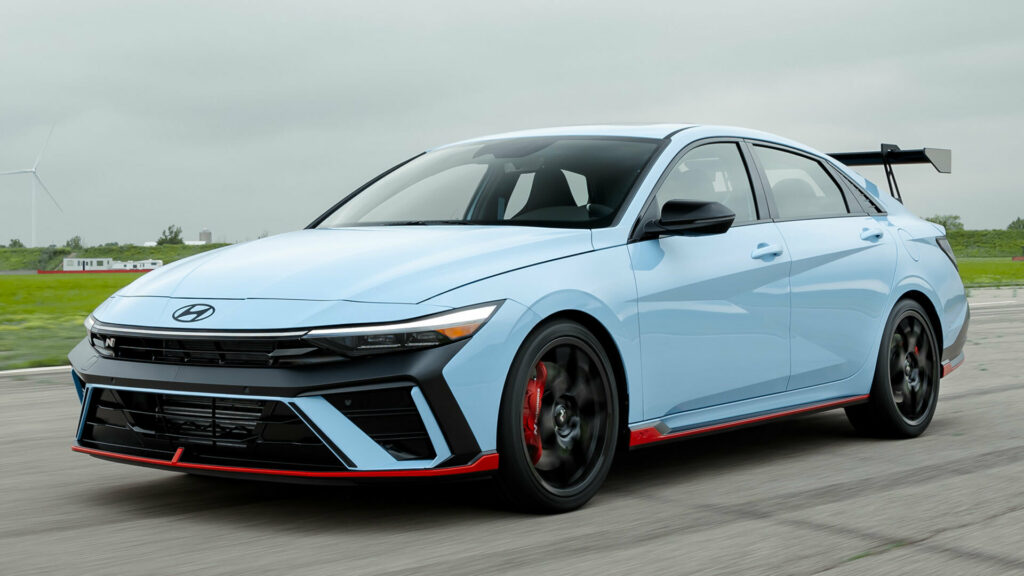
The N performance models are also a key part of Hyundai's strategy. By 2030, the company aims to target over 100,000 global N sales with more than seven models. The business case for N models is compelling, with significant brand premium over base models and additional profit through parts and accessories.
Munoz believes that if executed well, N models could reach 200,000 units by 2030.
Genesis Steps Forward
Genesis plays a vital role in Hyundai's long-range plan. The luxury brand has exceeded expectations, achieving 1 million sales in less than eight years. This success has been driven by double-digit margins across more than 20 markets.
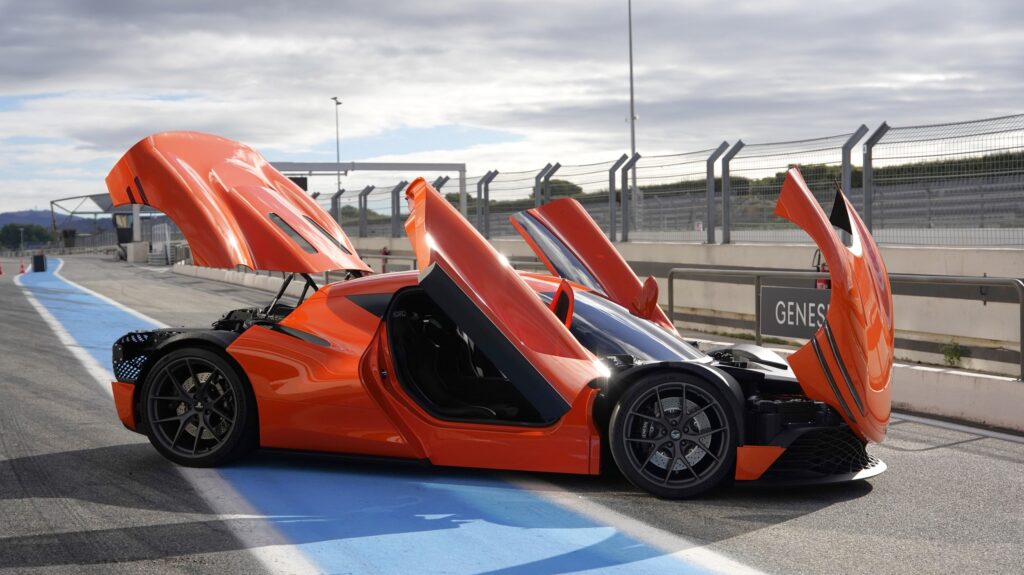
Genesis is moving deeper into high-margin segments with programs like the One of One bespoke program and flagship vehicles such as the concepts shown. The brand is also working on powertrain diversification, including EREV, hybrid, and BEV options.
U.S.-based production is set to start soon, helping Genesis compete more effectively. By 2030, the brand aims to achieve 350,000 annual sales, up from approximately 225,000 this year.
An Audacious Roadmap
Hyundai's roadmap is audacious, but when considering how far the brand has come in the past decade, it's hard to bet against its success. If Hyundai meets all its targets, the American business could become the powerhouse of the company's entire operation.

Post a Comment for "Hyundai Targets Toyota 4Runner and Tacoma—But This Is Just the Beginning"
Post a Comment