How to Use Pinterest for Driving Website Traffic
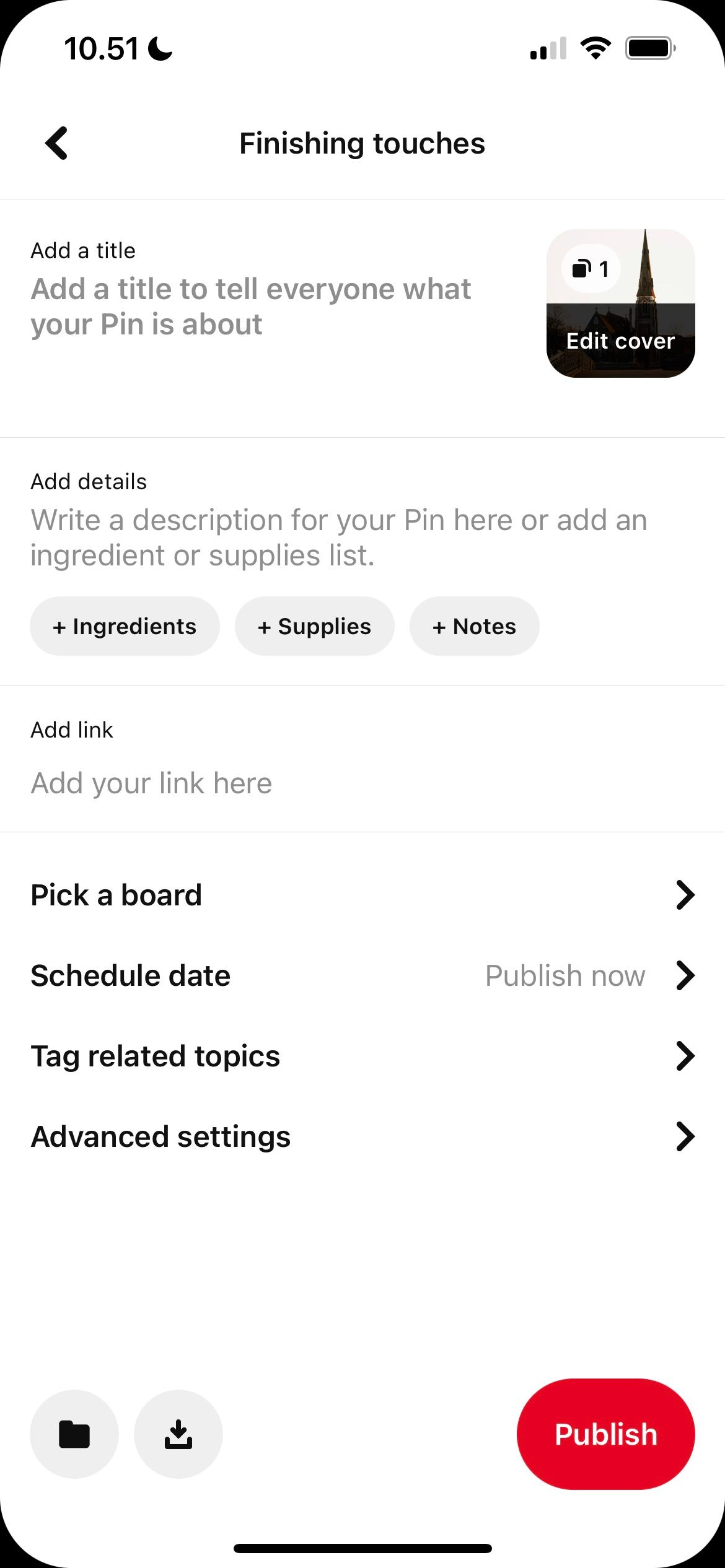
Unlock Website Traffic Gold with Pinterest: Your Ultimate Guide
Hey there, friends! Ever feel like your website is shouting into a void? You’ve poured your heart and soul into creating awesome content, but nobody seems to be listening. It’s like throwing a party and realizing you forgot to send out the invites. We’ve all been there, staring at those lonely Google Analytics charts, wondering where all the visitors are hiding.
Now, let’s talk about Pinterest. You might think of it as just a place to find recipes for that perfect avocado toast or to drool over dreamy vacation homes. But trust me, Pinterest is a secret weapon hiding in plain sight, a traffic-generating powerhouse just waiting to be unleashed. Forget those dusty old marketing strategies that feel like pushing a boulder uphill. Pinterest offers a visual buffet of opportunities to drive a stampede of engaged users straight to your website.
Think of it this way: your website is the ultimate destination, the place where you convert visitors into loyal customers or devoted followers. Pinterest is the vibrant, bustling marketplace that guides those potential visitors right to your doorstep. It’s not just about pretty pictures; it’s about strategic visuals that captivate, inform, and entice users to click that all-important link.
And here’s a juicy fact that might just blow your mind: did you know that Pinterest drives more referral traffic than Twitter, Reddit, Snapchat, and You Tube combined? Yeah, you read that right! It's not just a social media platform; it's a visual search engine with a highly engaged audience actively looking for inspiration, ideas, and solutions. That's a goldmine of potential website visitors just waiting to discover what you have to offer.
But here’s the kicker: simply slapping up a few pretty pictures and hoping for the best won’t cut it. To truly unlock Pinterest’s traffic-driving potential, you need a strategy, a plan, a method to the madness. It’s about understanding the platform, optimizing your content, and engaging with your audience in a way that makes them eager to click through to your website. We're talking about crafting compelling pins, targeting the right keywords, and building a presence that stands out from the crowd.
So, are you ready to ditch the frustration and start seeing your website traffic soar? Ready to transform Pinterest from a source of envy-inducing home décor into a reliable and consistent source of qualified leads? Get ready, my friends, because we’re about to dive deep into the world of Pinterest marketing. Buckle up, grab your favorite beverage, and let’s unlock the secrets to driving a tidal wave of traffic to your website using the power of Pinterest!
How to Use Pinterest for Driving Website Traffic
Let's get down to brass tacks! Pinterest isn't just a pretty face; it's a powerful engine for driving traffic to your website when used correctly. Think of it as your visual megaphone to the world, and we're going to show you how to make sure it's heard loud and clear.
Mastering the Pinterest Game: Your Step-by-Step Guide
Forget simply pinning and praying! These actionable steps will transform your Pinterest profile into a lean, mean, traffic-generating machine.
-
Optimize Your Pinterest Profile for Success
Think of your Pinterest profile as your website's storefront. A poorly optimized profile is like a store with a dusty window and a closed sign. Nobody's coming in! Let's fix that:
-
Choose a Strategic Username: Your username should ideally be your brand name. This makes it easy for people to find you. If your brand name is already taken, try adding keywords related to your niche.
-
-
Craft a Compelling Bio: This is your elevator pitch! Tell people who you are, what you do, and why they should follow you. Use relevant keywords to boost your searchability. Imagine you're at a networking event; what would you say to grab someone's attention?
-
Verify Your Website: This is crucial! Verifying your website links your Pinterest account to your domain, adding credibility and unlocking valuable analytics. Plus, it gives you that neat little checkmark that screams "legit!".
-
Use a High-Quality Profile Picture: Use your brand logo or a professional headshot. Avoid blurry or pixelated images. First impressions matter!
-
Keyword Research: The Foundation of Pinterest Success
Keywords are the lifeblood of Pinterest. They're the terms people use to search for content, and if you're not using the right keywords, your pins will be lost in the shuffle. Think of it like this: you wouldn't open a pizza restaurant in a town that only eats sushi, right? You need to understand what your audience is searching for.
-
Pinterest's Own Search Bar: Start typing a topic into the Pinterest search bar, and Pinterest will suggest related keywords. This is a goldmine of information!
-
-
Pinterest Trends: This tool allows you to see what's trending on Pinterest in different regions. Use this to identify popular topics and tailor your content accordingly.
-
Keyword Research Tools: Tools like Ahrefs, SEMrush, and Moz Keyword Explorer can help you identify high-volume, low-competition keywords related to your niche.
-
Analyze Your Competitors: See what keywords your competitors are using in their pin descriptions and board titles. Don't copy them verbatim, but use their strategies as inspiration.
-
Creating Visually Stunning Pins That Convert
Pinterest is a visual platform, so your pins need to be eye-catching and engaging. Think of each pin as a mini-advertisement for your website. It needs to grab attention, convey a message, and entice people to click.
-
Use High-Quality Images: This is non-negotiable! Use crisp, clear, and visually appealing images. Avoid blurry or pixelated photos. Consider using stock photo websites like Unsplash or Pexels if you don't have your own.
-
-
Incorporate Text Overlays: Add text overlays to your pins to highlight key information and entice users to click. Use clear, legible fonts and contrasting colors.
-
Maintain Brand Consistency: Use consistent colors, fonts, and branding elements across all your pins. This helps build brand recognition and makes your pins instantly identifiable.
-
Optimize Pin Size: The ideal pin size is 1000 x 1500 pixels. This ensures that your pins are displayed properly and look great on all devices.
-
Create Multiple Pins per Post: Don't just create one pin per blog post! Experiment with different images, text overlays, and descriptions to see what resonates best with your audience. Think of it as running A/B tests for your pins.
-
Crafting Compelling Pin Descriptions
Your pin description is your chance to tell people what your pin is about and why they should click on it. Think of it as the movie trailer for your website. It needs to be enticing, informative, and optimized for search.
-
Include Relevant Keywords: Incorporate the keywords you identified in your keyword research into your pin description. But don't just stuff keywords! Write naturally and focus on providing value to the reader.
-
-
Write a Clear and Concise Description: Tell people what they'll find when they click on your pin. Will they learn a new recipe? Discover a helpful tip? Get inspired for their next project? Be specific!
-
Use a Call to Action: Encourage people to click on your pin by using a clear call to action. Examples include "Click here to learn more," "Download your free guide," or "Get inspired now!"
-
Hashtags: Use relevant hashtags to increase the visibility of your pins. But don't go overboard! Stick to 3-5 highly targeted hashtags.
-
Organizing Your Boards for Maximum Impact
Think of your Pinterest boards as the shelves in your store. You need to organize them logically and make sure they're stocked with relevant and appealing content. A disorganized board is like a cluttered mess that nobody wants to browse.
-
Create Niche-Specific Boards: Create boards that are focused on specific topics related to your niche. Avoid creating generic boards that are too broad.
-
-
Use Keyword-Rich Board Titles: Use the same keywords you used in your pin descriptions in your board titles. This helps people find your boards when they're searching for specific topics.
-
Write Compelling Board Descriptions: Tell people what your board is about and what kind of content they can expect to find. Use relevant keywords in your board description.
-
Organize Your Boards Strategically: Place your most important boards at the top of your profile and make sure they're visually appealing. Think of it as merchandising your storefront.
-
Use Sections within Boards: For broader boards, use sections to further categorize your pins. This makes it easier for people to find the specific content they're looking for.
-
Engaging with the Pinterest Community
Pinterest is a social platform, so it's important to engage with other users and build relationships. Think of it as networking at a conference. You wouldn't just stand in the corner and hope people come to you, would you?
-
Follow Relevant Accounts: Follow other accounts in your niche, including influencers, brands, and potential customers.
-
-
Repin Other People's Content: Repin content from other users that is relevant to your audience. This helps you build relationships and expose your profile to a wider audience.
-
Join Group Boards: Group boards are collaborative boards where multiple users can contribute pins. Joining relevant group boards can significantly increase the reach of your pins.
-
Respond to Comments: Respond to comments on your pins and boards. This shows that you're engaged and that you value your audience's input.
-
Run Contests and Giveaways: Contests and giveaways are a great way to generate excitement and engagement on Pinterest. Offer prizes that are relevant to your niche and encourage people to follow you and repin your content.
-
Analyzing Your Pinterest Performance and Adapting Your Strategy
The key to success on Pinterest is to track your performance and adapt your strategy accordingly. What's working? What's not? By analyzing your data, you can identify areas for improvement and optimize your Pinterest presence for maximum traffic.
-
Use Pinterest Analytics: Pinterest Analytics provides valuable data on your pin performance, including impressions, saves, clicks, and repins. Use this data to identify your most popular pins and boards.
-
-
Track Your Website Traffic: Use Google Analytics to track the traffic that's coming to your website from Pinterest. This will help you see which pins are driving the most traffic and which boards are most effective.
-
Experiment and Test: Don't be afraid to experiment with different pin designs, descriptions, and board strategies. Test different approaches and see what works best for your audience.
-
Stay Up-to-Date: Pinterest is constantly evolving, so it's important to stay up-to-date on the latest trends and best practices. Follow Pinterest's official blog and other industry resources to stay informed.
Pinterest FAQs: Answering Your Burning Questions
Still got questions? No problem! Here are some common queries that Pinterest newbies often have.
Q: How often should I be pinning?
A: Consistency is key! Aim to pin several times a day, every day. Use a scheduling tool like Tailwind to automate the process and ensure a steady stream of fresh content.
Q: What's the best time to pin?
A: It depends on your audience! Use Pinterest Analytics to identify when your audience is most active and schedule your pins accordingly. Generally, evenings and weekends are good times to pin.
Q: How do I find relevant group boards?
A: Search for group boards on Pinterest using keywords related to your niche. You can also use tools like Pin Groupie to find group boards that are relevant to your interests.
Q: Is Pinterest advertising worth it?
A: Absolutely! Pinterest Ads can be a highly effective way to reach a wider audience and drive targeted traffic to your website. Start with a small budget and experiment with different ad formats to see what works best for you.
Alright, friends, we've covered a ton of ground today! We've explored the power of Pinterest for driving website traffic, dived into actionable steps for optimizing your profile and pins, and answered some frequently asked questions. Now, it's time to put this knowledge into action.
Remember, Pinterest is more than just a social media platform; it's a visual search engine with a highly engaged audience actively looking for inspiration and solutions. By optimizing your Pinterest presence and creating compelling content, you can unlock a steady stream of targeted traffic to your website.
So, here's your call to action: take one or two of the steps we've discussed today and implement them immediately. Maybe it's optimizing your Pinterest profile, conducting keyword research, or creating a visually stunning pin. Whatever you choose, just get started!
The world of Pinterest is waiting to be explored, and the potential for driving traffic to your website is immense. Don't be afraid to experiment, learn, and adapt your strategy as you go. With a little effort and dedication, you can transform Pinterest into a powerful engine for growth.
Now, go out there and conquer the Pinterest universe! What's one thing you learned today that you're excited to implement? Let me know in the comments below!

Post a Comment for "How to Use Pinterest for Driving Website Traffic"
Post a Comment