How to Use Google Calendar to Organize Your Day
Unlock Your Day: The Google Calendar Power-Up Guide
Hello, fellow time travelers!
Ever feel like you're juggling flaming chainsaws while riding a unicycle on a tightrope? Yeah, me too. Life's a circus, and keeping track of everything – work meetings, dentist appointments, your cat's birthday (important!), and that elusive "me time" – can feel utterly impossible. We’ve all been there, frantically searching for a scrap of paper with that crucial appointment time scribbled on it, only to find it’s been eaten by the washing machine. Or, even worse, showing up to the wrong meeting because… well, life.
We live in a world overflowing with demands. Deadlines loom, social events beckon, and the ever-present siren song of Netflix whispers sweet nothings in our ears. It's a constant battle for our attention, and without a solid strategy, our days can quickly devolve into a chaotic mess of missed opportunities and forgotten commitments. Think about it – how much time do youactuallywaste each week trying to figure out what you should be doing, remembering where you’re supposed to be, or rescheduling because you double-booked yourself? It's probably more than you'd like to admit. And let’s be honest, who hasn't experienced the soul-crushing moment of realizing you completely forgot a birthday? The guilt! The shame! It's enough to make you want to crawl under a rock.
The good news, my friends, is that there's a simple, powerful, and (best of all) free tool that can help you wrangle your schedule and reclaim your sanity: Google Calendar. Yes, I know, it sounds almost too good to be true. Another app promising to revolutionize your life? But trust me on this one. Google Calendar isn't just a digital version of that dusty old paper planner you used to carry around (and inevitably lose). It's a dynamic, customizable, and incredibly versatile system that can transform the way you manage your time and your life.
Imagine a world where you know exactly what you need to do each day, where you never miss an important appointment, and where you actually have time for the things you love. Sounds like a dream, right? Well, it doesn’t have to be. With a little know-how, you can harness the power of Google Calendar to create a personalized scheduling system that works for you, not against you.
Forget about feeling overwhelmed by your to-do list. Say goodbye to the stress of double-booking and missed deadlines. And prepare to unlock a newfound sense of control and productivity. Because, friends, a well-organized day is a happy day. And a happy day leads to a happy life. So, are you ready to ditch the chaos and embrace the calm? Keep reading to discover how Google Calendar can become your secret weapon for conquering your day and achieving your goals. The journey to a more organized you starts now!
Unleash Your Inner Time Lord: Mastering Google Calendar
Okay, friends, let's dive into the nitty-gritty of Google Calendar. We're not just going to scratch the surface here. We're going deep, exploring all the features and functionalities that will transform you from a scheduling novice into a time-management guru. Prepare to be amazed by the sheer power of this free tool!
•Getting Started:Setting Up Your Google Calendar.
First things first, if you don't already have a Google account, head over to accounts.google.com and create one. It's quick, easy, and opens the door to a whole world of Google goodness (Gmail, Google Drive, Google Docs, and of course, Google Calendar!). Once you're logged in, simply navigate to calendar.google.com, and voila! Your blank canvas awaits. The initial view might seem a bit intimidating, but don't worry, we'll break it down step by step. You can customize the view to your liking – daily, weekly, monthly, or even a custom view that shows only the days you need. Experiment with the different options until you find what works best for you.
•Creating Events:The Heart of Your Schedule.
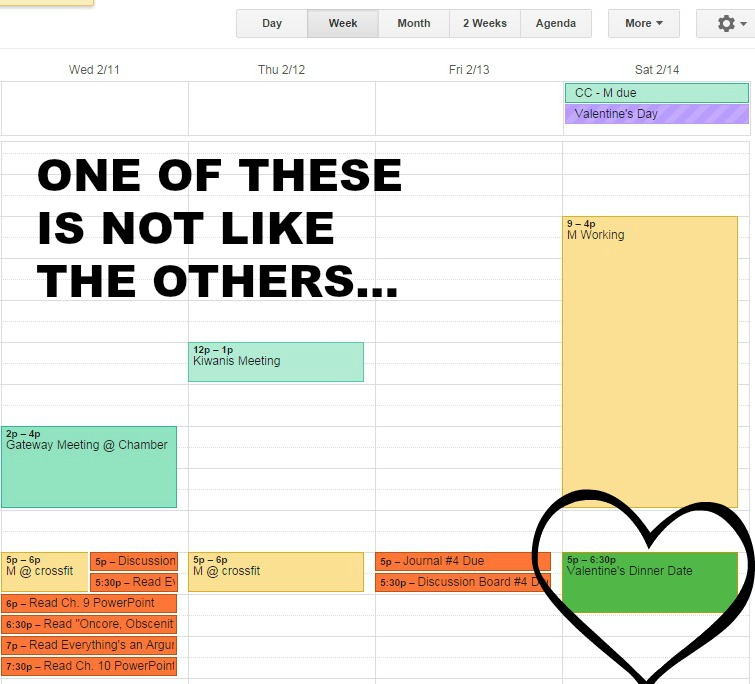
This is where the magic happens. To create an event, simply click on the desired date and time slot in your calendar. A pop-up window will appear, prompting you to enter the event details. Give your event a descriptive title (e.g., "Meeting with John," "Doctor's Appointment," "Yoga Class"). Add the location, set the date and time, and choose whether it's a one-time event or a recurring one. This is crucial for things like weekly meetings, gym sessions, or even remembering to pay your bills. You can also add a description to provide more context or details about the event. This is a great place to include an agenda for a meeting, a list of items to bring to an appointment, or even just a motivational quote to get you excited about your yoga class. Don't forget to set a reminder! You can choose to receive a notification via email or a pop-up on your device. Experiment with different reminder times to find what works best for you. Some people prefer to be reminded an hour before an event, while others need a whole day's notice. Pro Tip: Use different colors for different types of events. This makes it easy to quickly scan your calendar and see what your day looks like at a glance. For example, you could use blue for work meetings, green for personal appointments, and red for deadlines.
•Mastering Recurring Events:Automate Your Routine.
This is where Google Calendar truly shines. Setting up recurring events is a game-changer for establishing routines and automating your schedule. Think about all the things you do on a regular basis: weekly team meetings, daily workouts, monthly budget reviews, even things like taking out the trash or watering your plants. Instead of manually adding these events to your calendar each week, you can set them up once and let Google Calendar handle the rest. When creating an event, simply select the "Repeat" option and choose the frequency (daily, weekly, monthly, yearly, or custom). You can also specify the days of the week the event should occur, the end date (if applicable), and even the number of times the event should repeat. For example, you could set up a recurring event for your weekly team meeting that occurs every Monday at 10:00 AM, ending on December 31st. Or you could set up a recurring event for your daily workout that occurs every weekday at 6:00 AM, repeating indefinitely. The possibilities are endless! By automating your routine with recurring events, you'll free up valuable time and mental energy, allowing you to focus on more important things.
•Sharing Calendars:Collaboration Made Easy.
Google Calendar isn't just for individual use. It's also a powerful collaboration tool that allows you to share your calendar with others. This is especially useful for families, teams, and anyone who needs to coordinate schedules with others. You can share your entire calendar or just specific events. You can also control the level of access you grant to others. For example, you could allow your spouse to see all the details of your events, while only allowing your coworkers to see whether you're free or busy. To share your calendar, simply click on the three dots next to your calendar name in the left-hand sidebar and select "Settings and sharing." From there, you can add people to your calendar and specify their level of access. You can also create a public link to your calendar, which allows anyone with the link to view your calendar (although they won't be able to make any changes). Sharing calendars can streamline communication, reduce scheduling conflicts, and make it easier to stay on the same page with the people in your life.
•Inviting Guests:Streamline Your Meetings.
When creating an event, you can easily invite guests by adding their email addresses to the "Add guests" field. This will send them an invitation to the event, which they can accept or decline. Guests can also see the event details, including the location, time, and description. This is a great way to keep everyone informed and ensure that they have all the information they need to attend the event. You can also use the "Find a time" feature to find a time that works for everyone. This feature analyzes the calendars of all the guests and suggests times that are free for everyone involved. This can save you a lot of time and hassle when trying to schedule meetings with multiple people. Furthermore, you can set guest permissions, like allowing them to invite others or modify the event. This is especially useful for collaborative meetings where everyone needs to be able to contribute. When inviting guests, consider adding a brief agenda or context to the event description. This helps attendees prepare and ensures that the meeting is productive and focused.
•Integrations:Connect Your Calendar to Everything Else.
One of the best things about Google Calendar is that it integrates seamlessly with other apps and services. This allows you to connect your calendar to your email, contacts, tasks, and even your favorite productivity tools. For example, you can integrate Google Calendar with Gmail to automatically add events from your emails to your calendar. You can also integrate it with Google Tasks to keep track of your to-do list alongside your schedule. There are also tons of third-party integrations available, allowing you to connect Google Calendar to apps like Zoom, Slack, Trello, and Asana. This can streamline your workflow and make it easier to manage all your tasks and appointments in one place. To explore the available integrations, simply go to the Google Workspace Marketplace and search for apps that integrate with Google Calendar. You'll find a wide range of options to choose from, allowing you to customize your calendar to fit your specific needs.
•Goals:Making Time for What Matters.
Google Calendar has a built-in "Goals" feature that can help you make time for the things that are important to you, even when you're busy. This feature allows you to set goals for things like exercising, learning a new skill, or spending time with family. Google Calendar will then automatically find time in your schedule for these activities, based on your preferences and availability. To set a goal, simply click on the "+" icon in the left-hand sidebar and select Goal.You'll then be prompted to choose a goal category, set the frequency and duration of the activity, and specify the best time of day to schedule it. Google Calendar will then analyze your schedule and suggest times that are free for your goal activity. You can accept the suggestions or manually adjust the times to fit your needs. The Goals feature is a great way to prioritize your well-being and ensure that you're making time for the things that truly matter to you.
•Location, Location, Location:Add Addresses and Get Reminders.
Never be late again! Google Calendar lets you add locations to your events. This is super handy because it integrates with Google Maps, giving you directions and estimated travel times. Plus, you can set up location-based reminders. Imagine this: you're leaving work, and as soon as you get in your car, Google Calendar reminds you to pick up groceries because you're near the store. Boom! Time saved, stress avoided. To add a location, simply start typing the address in the location field of your event, and Google Calendar will suggest options. Once you select the correct address, the event will be linked to Google Maps. To set up location-based reminders, you'll need to use the Google Calendar app on your phone. Simply go to the event details and select "Add notification." Then, choose "Location" as the notification type and enter the address you want to be reminded at. This feature is a lifesaver for busy professionals, forgetful people, and anyone who wants to stay organized and on time.
•Calendar Views:Find What Works For You
Google Calendar offers a variety of views to suit different preferences and needs. You can switch between day, week, month, year, schedule, and even custom views. The day view is ideal for focusing on a single day's activities, while the week view provides a broader overview of your upcoming commitments. The month view is great for long-term planning and identifying potential conflicts. The year view gives you a bird's-eye perspective of your entire year, allowing you to track major events and milestones. The schedule view displays your events in a chronological list, making it easy to scan your upcoming activities. Experiment with the different views to find what works best for you. Some people prefer to use the week view for their daily planning, while others prefer the month view for their long-term planning. You can also customize the views to show only the calendars you're interested in. This is especially useful if you have multiple calendars for different aspects of your life, such as work, personal, and family.
FAQ: Google Calendar Edition
Alright, let's tackle some frequently asked questions to make sure you're a Google Calendar pro!
Question 1: Can I use Google Calendar offline?
Answer: Yes! The Google Calendar app allows you to view and edit your calendar even when you're offline. Any changes you make will be synced to your account when you reconnect to the internet.
Question 2: How do I create multiple calendars?
Answer: In the left-hand sidebar, click the "+" icon next to "Other calendars" and select "Create new calendar." Give your calendar a name and description, and then click "Create calendar." You can then customize the calendar's color and settings.
Question 3: Is there a way to print my Google Calendar?
Answer: Absolutely! Go to the "Settings" menu and select Print.You can then choose the date range, calendar view, and other print options.
Question 4: Can I set up different time zones for different events?
Answer: Yes, Google Calendar allows you to set a specific time zone for each event. This is especially useful if you're scheduling meetings with people in different time zones.
Your Time-Traveling Adventure Awaits!
So there you have it, friends! A comprehensive guide to mastering Google Calendar and transforming your day from chaotic to controlled. We've covered everything from the basics of setting up your calendar to advanced features like recurring events, shared calendars, integrations, and goals. You're now equipped with the knowledge and tools you need to take control of your schedule and live a more organized and fulfilling life. Remember, a well-organized day is a happy day, and a happy day leads to a happy life.
Now, it's time to put your newfound knowledge into action. Open up Google Calendar and start experimenting with the features we've discussed. Create some events, set up some recurring appointments, share your calendar with your family and friends, and start tracking your goals. The more you use Google Calendar, the more comfortable and confident you'll become. And the more organized and productive you'll be.
Don't be afraid to explore and experiment. Try out different calendar views, color-code your events, and integrate Google Calendar with your favorite apps. The possibilities are endless! The key is to find a system that works for you and that helps you stay on top of your commitments.
Before you go, I have a challenge for you. Take just 15 minutes today to set up one recurring event in Google Calendar. It could be anything from your weekly team meeting to your daily walk to your monthly bill payment. Just choose one thing that you do on a regular basis and automate it with Google Calendar. You'll be amazed at how much time and mental energy you save. And who knows, you might even inspire others to do the same.
So, what are you waiting for? Go forth and conquer your day! And don't forget to share your Google Calendar success stories with us in the comments below. We'd love to hear how you're using Google Calendar to stay organized and achieve your goals.
Are you ready to take control of your time and unlock your full potential? Let's do this!

Post a Comment for "How to Use Google Calendar to Organize Your Day"
Post a Comment