How to Use Google Calendar to Organize Your Day
Unlock Your Day: The Google Calendar Power-Up Guide
Hey there, friends! Ever feel like you're juggling flaming torches while riding a unicycle on a tightrope of deadlines? Yeah, we've all been there. Life gets hectic, and sometimes it feels like there just aren't enough hours in the day. We're bombarded with notifications, meetings, appointments, and that nagging feeling that we're forgetting something important. Sound familiar?
Think about it. You're at work, trying to focus on that crucial presentation, but in the back of your mind, you're also panicking about picking up the kids from soccer practice, remembering that dentist appointment you scheduled three months ago (and desperately hope you haven't forgotten), and figuring out how you're going to squeeze in a grocery run before everything closes. It's a recipe for stress, overwhelm, and maybe even a full-blown meltdown involving a rogue stapler.
Or maybe you're a student, balancing classes, extracurriculars, social life (if you can find the time!), and that looming paper that's worth half your grade. You're trying to cram everything in, but your brain feels like a tangled ball of yarn, and you're pretty sure you've missed at least three deadlines already. Pizza and all-nighters are becoming your new best friends, and you're starting to suspect that sleep is just a myth.
And let's not forget the entrepreneurs and freelancers out there. You're your own boss, which is amazing, but it also means you're responsible for everything. Marketing, sales, client meetings, project management, invoicing – the list goes on and on. You're constantly switching between tasks, battling distractions, and trying to stay on top of it all. The line between work and personal life has blurred into oblivion, and you're starting to wonder if you'll ever have a free weekend again.
The problem is clear: We're all struggling to manage our time effectively in an increasingly demanding world. We need a solution that's simple, accessible, and powerful enough to handle the complexities of our lives. And that, my friends, is where Google Calendar comes in. It's not just a digital calendar; it's a powerful organizational tool that can help you take control of your day, reduce stress, and finally achieve that elusive work-life balance. It’s a tool that integrates into pretty much any phone or tablet on the market, and it's available on every desktop computer. Let's be honest, it's everywhere, and it's free!
But here's the thing: Most people only scratch the surface of what Google Calendar can do. They use it to schedule basic appointments and reminders, but they're missing out on a ton of features that can dramatically improve their productivity and organization. Imagine a world where you never miss a deadline, where you have time for both work and fun, and where you actually feel in control of your schedule. Sounds pretty good, right?
So, are you ready to unlock the full potential of Google Calendar and transform the way you manage your day? Then stick around, because in this guide, we're going to dive deep into the world of Google Calendar and show you exactly how to use it to organize your life like a pro. We'll cover everything from basic setup to advanced techniques, and we'll share some tips and tricks that will help you get the most out of this amazing tool. Get ready to say goodbye to chaos and hello to calm, organized productivity!
Unleash the Power of Google Calendar: Your Ultimate Organization Guide
Google Calendar, it's more than just a digital planner; it's your personal command center for conquering the chaos of daily life. Let's face it, we're all bombarded with appointments, deadlines, and commitments. Trying to keep track of everything in your head is like trying to herd cats – frustrating and ultimately ineffective. But fear not, friends! With a little know-how, Google Calendar can become your secret weapon for staying organized, productive, and stress-free.
• Getting Started: The Basics
Okay, first things first. Let's make sure you're comfortable with the basics. This might seem obvious, but mastering the fundamentals is key to unlocking the full potential of Google Calendar. After all, you can't build a skyscraper on a shaky foundation, right?
Ensure you have a Google account: If you use Gmail, You Tube, or any other Google service, you already have one. If not, signing up is free and easy. Just head over to the Google Accounts page and follow the instructions.
Access Google Calendar: You can access Google Calendar through your web browser (calendar.google.com) or through the Google Calendar app on your smartphone or tablet. Both versions offer similar functionality, so choose the one that works best for you.
Navigating the Interface: Take a moment to familiarize yourself with the Google Calendar interface. You'll see a calendar grid, a sidebar with your calendars, and a toolbar with various options. Experiment with different views (day, week, month, year) to find the one that suits your preferences.
Creating Events: This is where the magic happens. To create an event, simply click on a date and time in the calendar grid, or click the "Create" button. Enter the event title, time, location, and any other relevant details. You can also add guests, set reminders, and choose a color for the event.
• Color-Coding Your Life: Visual Organization
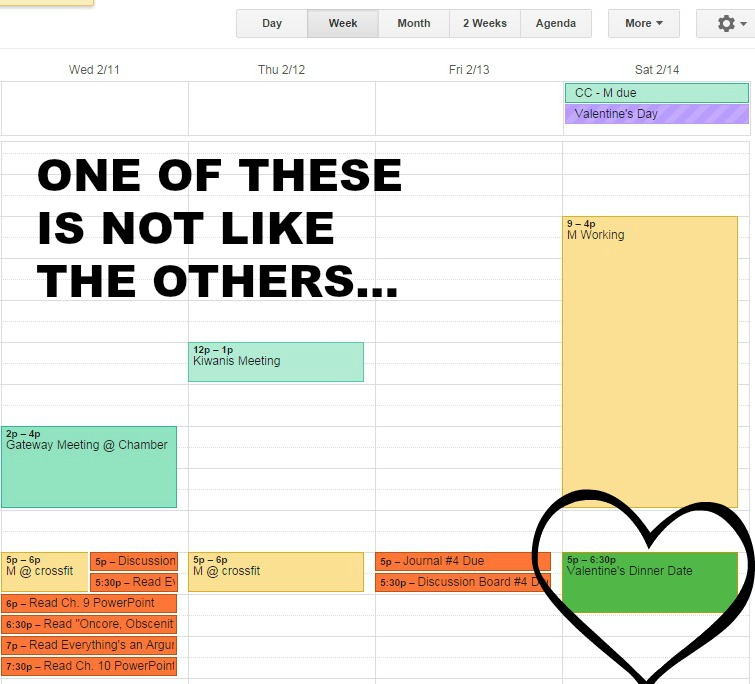
Let's be honest, a calendar full of plain, colorless events can be pretty boring and overwhelming. Color-coding is a simple yet powerful technique that can help you visually organize your life and quickly identify different types of events.
Assign colors to different categories: Think about the different areas of your life – work, family, social, personal, etc. Assign a unique color to each category. For example, you could use blue for work-related events, green for family activities, and pink for social gatherings.
Create multiple calendars: For even greater organization, consider creating separate calendars for different areas of your life. For example, you could have a "Work" calendar, a "Personal" calendar, and a "Family" calendar. This allows you to toggle calendars on and off, so you can focus on specific areas of your life without being distracted by others.
Consistency is key: Once you've established your color-coding system, stick with it. The more consistent you are, the easier it will be to quickly identify different types of events at a glance.
• Mastering Reminders: Never Miss a Beat
We all know that feeling of dread when we suddenly remember a deadline or appointment that we completely forgot about. Reminders are your best defense against these kinds of mishaps. Google Calendar offers a variety of reminder options to help you stay on top of your commitments.
Set multiple reminders: Don't rely on just one reminder. Set multiple reminders leading up to an event. For important deadlines, you might want to set reminders a week in advance, a day in advance, and an hour in advance.
Customize reminder types: Google Calendar allows you to choose how you want to be reminded – through notifications, email, or pop-up alerts. Experiment with different types of reminders to find the ones that work best for you.
Use recurring reminders: For tasks that you need to do regularly, such as paying bills or taking medication, set up recurring reminders. This will ensure that you never forget to do these important tasks.
• Shared Calendars: Teamwork Makes the Dream Work
Life is often a collaborative effort. Whether you're coordinating schedules with your family, working on a project with colleagues, or planning an event with friends, shared calendars can make it much easier to stay on the same page. Also, if you're a parent, you probably already share a calendar with your children's school! So why not maximize this feature with those close to you?
Share your calendar with others: Google Calendar allows you to share your calendar with specific people and grant them different levels of access. You can allow others to view your calendar, add events, or even manage your calendar on your behalf.
Create a shared calendar for a group: If you're coordinating a project or event with a group of people, create a shared calendar that everyone can access. This will allow everyone to see the schedule, add events, and stay informed about any changes.
Use shared calendars for family planning: Shared calendars are a great way to keep your family organized. You can use a shared calendar to track kids' activities, appointments, and other important events. It’s a game changer when coordinating school pick ups and sports tournaments. No more, "Who's taking Billy to soccer practice?"
• Integrations and Add-ons: Supercharge Your Calendar
Google Calendar is a powerful tool on its own, but it becomes even more powerful when you integrate it with other apps and services. There are a ton of integrations and add-ons available that can help you automate tasks, streamline your workflow, and get even more out of your calendar.
Connect with other Google apps: Google Calendar seamlessly integrates with other Google apps like Gmail, Google Meet, and Google Tasks. For example, you can automatically add events from Gmail to your calendar or create tasks directly from your calendar.
Explore third-party integrations: There are also a ton of third-party integrations available for Google Calendar. For example, you can use integrations to schedule meetings, track your time, or manage your to-do list.
Experiment with add-ons: Google Calendar add-ons are small apps that add extra functionality to your calendar. You can use add-ons to do things like find meeting times, create polls, or even order food.
• Time Blocking: Master Your Schedule
Time blocking is a powerful technique for taking control of your schedule and making the most of your time. It involves scheduling specific blocks of time for different activities, rather than just letting your day unfold randomly. This can help you stay focused, avoid distractions, and ensure that you're making progress on your most important goals.
Identify your priorities: Before you start time blocking, take some time to identify your priorities. What are the most important things that you need to accomplish each day or week? Make a list of these priorities and rank them in order of importance.
Schedule time for your priorities: Once you've identified your priorities, schedule specific blocks of time for them in your Google Calendar. Be realistic about how much time you need for each activity and try to schedule your most important tasks during your most productive hours.
Protect your time blocks: Once you've scheduled your time blocks, treat them like appointments. Don't let distractions or interruptions derail you. Turn off notifications, close unnecessary tabs, and let others know that you're not available during these times.
• Advanced Tips and Tricks: Calendar Ninja Status
Now that you've mastered the basics, let's dive into some advanced tips and tricks that will help you take your Google Calendar skills to the next level. These techniques can help you automate tasks, streamline your workflow, and get even more out of your calendar.
Use keyboard shortcuts: Google Calendar has a ton of keyboard shortcuts that can help you navigate the interface and perform common tasks more quickly. For example, you can use the "c" key to create a new event, the "t" key to jump to today's date, and the "1" key to switch to day view. A quick Google search will unlock a whole range of these shortcuts.
Create event templates: If you frequently create similar events, such as weekly team meetings or monthly reports, create event templates to save time. You can create a template with all the default settings, such as the event title, time, location, and guests, and then simply customize it as needed.
Use appointment slots: If you need to schedule appointments with multiple people, use appointment slots. This allows people to book appointments with you during specific time slots without having to coordinate schedules manually.
Enable working hours: Let your colleagues know when you're available by setting your working hours in Google Calendar. This will prevent people from scheduling meetings with you outside of your working hours.
FAQ: Google Calendar Edition
Q: How do I sync my Google Calendar with my phone?
A: If you're using an Android phone, your Google Calendar should automatically sync. For i Phones, you'll need to add your Google account to your phone's settings and enable calendar syncing.
Q: Can I use Google Calendar offline?
A: Yes, you can use Google Calendar offline. However, you'll need to enable offline access in your Google Calendar settings. This will allow you to view and edit your calendar even when you're not connected to the internet.
Q: How do I invite someone to an event in Google Calendar?
A: When creating or editing an event, simply add the person's email address to the "Add guests" field. They'll receive an invitation that they can accept or decline.
Q: How do I create a recurring event in Google Calendar?
A: When creating or editing an event, click on the "Does not repeat" option and choose the frequency that you want the event to repeat (e.g., daily, weekly, monthly, yearly).
So, there you have it, friends. A comprehensive guide to using Google Calendar to organize your day like a true productivity ninja. We've covered everything from the basics to advanced techniques, and we've shared some tips and tricks that will help you get the most out of this amazing tool.
But remember, knowledge is only power if you put it into action. So, take what you've learned in this guide and start implementing it in your own life. Experiment with different features, find what works best for you, and don't be afraid to get creative. The more you use Google Calendar, the more you'll discover its power and versatility.
Now, here's your call to action: Open up your Google Calendar right now and schedule one task that you've been putting off. It could be anything – writing that email, making that phone call, or simply clearing your desk. Just take that first step and get the ball rolling. You'll be surprised at how much momentum you can build once you get started.
And finally, remember that organization is a journey, not a destination. There will be days when you fall off track, when your schedule gets disrupted, and when you feel like you're back to square one. But don't get discouraged. Just pick yourself up, dust yourself off, and get back to it. With a little effort and consistency, you can master your schedule, achieve your goals, and live a more organized and fulfilling life. So, go out there and conquer your day, one event at a time! What will you schedule first to make your day amazing?

Post a Comment for "How to Use Google Calendar to Organize Your Day"
Post a Comment