How to Know When Wheel Bearings Need Replacement (And Cost Estimates)
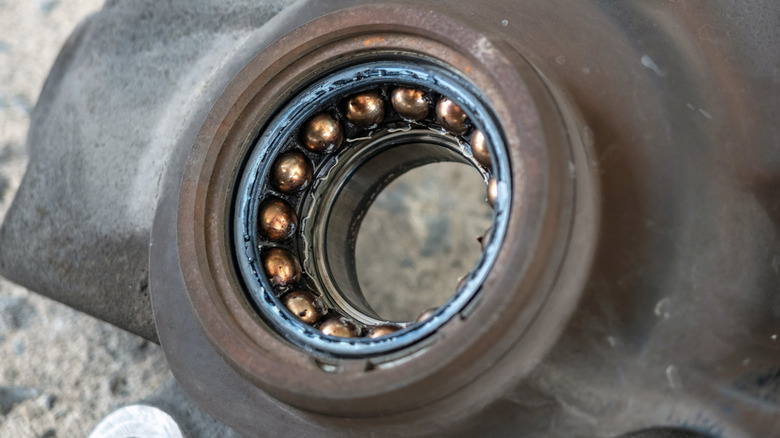
Signs of a Failing Wheel Bearing
One of the most noticeable indicators that your vehicle may have a broken wheel bearing is the presence of unusual noises. These can include squealing, grinding, or humming sounds that become more pronounced as you increase your speed. The noise might originate from either the front or rear of the vehicle, and it could be on the left or right side, depending on which wheel bearing is affected.
In some cases, you might hear clicking sounds coming from the wheels, which can be mistaken for tire noise or road conditions. These symptoms are often early warning signs that something is wrong with the wheel bearings.
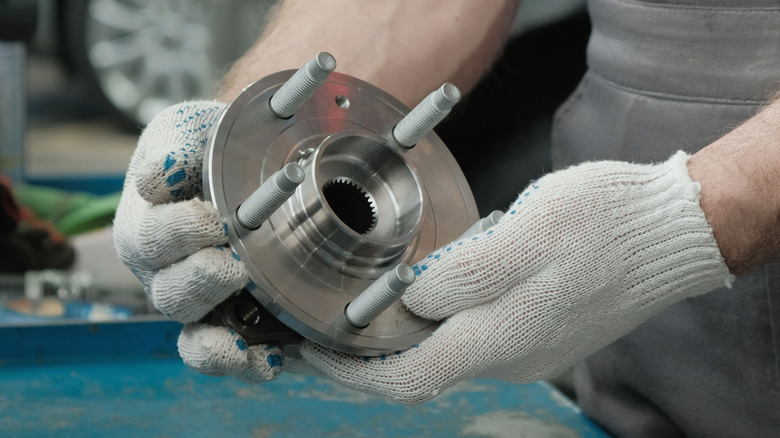
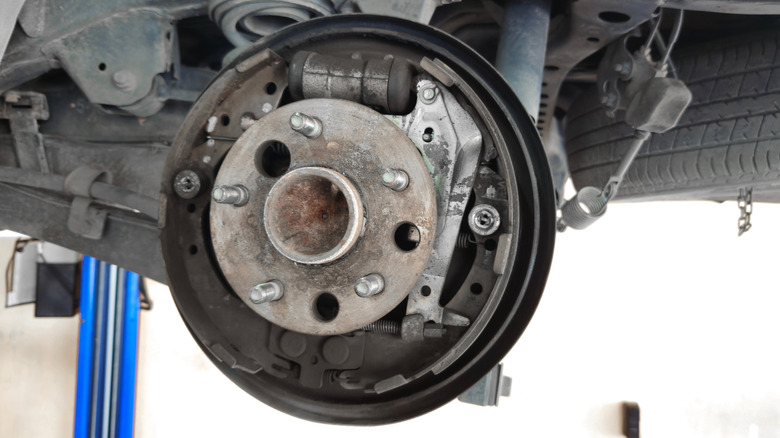
Wheel bearings are essential components that allow the wheels to rotate smoothly and silently. They consist of steel ball bearings housed within the wheel hub and play a critical role in supporting the vehicle's steering, suspension, wheels, and brake systems. When a wheel bearing begins to fail, the affected wheel may start to wobble or move unpredictably. This instability can lead to damage to other undercarriage parts that rely on proper alignment.
As the issue progresses, the grinding or squealing noises will likely grow louder, indicating that the wheel bearings are nearing total failure. Other signs of a faulty wheel bearing include uneven tire wear, a wobbly steering feel, and an illuminated ABS warning light.
How to Check for Faulty Wheel Bearings
If you suspect that your wheel bearings may be failing, one way to check is by lifting the vehicle using a lift or a jack and a heavy-duty jack stand. Once the vehicle is raised, grasp the affected wheel from both sides and attempt to shake it. If the wheel moves excessively or feels loose, it may indicate a problem with the wheel bearing.
Replacing a faulty wheel bearing is typically necessary if there is any noticeable movement. However, it's important to note that this task should be handled by a professional mechanic to ensure safety and proper installation.
Is It Safe to Drive with Bad Wheel Bearings?
No, driving with faulty or noisy wheel bearings is not safe. In extreme cases, a failed wheel bearing could cause the wheel to detach while driving, which poses a serious risk to both the driver and other road users. Additionally, a damaged wheel bearing can lead to issues with the steering, suspension, and brakes, such as vibrations when braking or turning the wheel.
For example, a vehicle with a severely worn wheel bearing may experience excessive wobbling and loud grinding noises, making it difficult to control. In one case, a Mitsubishi Mirage G4 had to have its wheel bearings replaced multiple times due to the high mileage and poor road conditions it encountered.
What Causes Wheel Bearings to Fail?
Factory-installed wheel bearings are typically designed to last the lifetime of the vehicle. However, they can still be affected by external factors. Prolonged exposure to rain, mud, road salts, and sand can contaminate the grease inside the bearings, leading to premature wear. Overloading the vehicle or frequently driving over speed bumps, curbs, or potholes can also contribute to the deterioration of wheel bearings.
Cost of Replacing Wheel Bearings
The cost of replacing a wheel bearing can vary depending on several factors. In many cases, you do not need to replace all four bearings if only one is faulty. However, it is often recommended to replace them in pairs for better balance and performance, especially if the other bearings show signs of wear.
Labor costs can make up a significant portion of the total expense. For vehicles where the wheel bearings are easily accessible, labor costs may range from $80 to $200. The price of the wheel bearings themselves can vary between $40 and $120 per unit, depending on the make and model of the vehicle. Larger vehicles, such as full-size SUVs or heavy-duty pickup trucks, may require more expensive parts and labor, potentially exceeding $1,000 in total.
Final Thoughts
Noisy or broken wheel bearings are not just a nuisance—they can be a serious safety hazard. If you notice any unusual sounds or feel a wobble while driving, it is crucial to have the vehicle inspected by a qualified mechanic as soon as possible. Ignoring these signs can lead to further damage and potentially dangerous situations on the road.
)
Post a Comment for "How to Know When Wheel Bearings Need Replacement (And Cost Estimates)"
Post a Comment