House Rules Blocks Centrist GOP's Final Obamacare Subsidy Push
The Struggle Over ACA Subsidies and the GOP Healthcare Bill
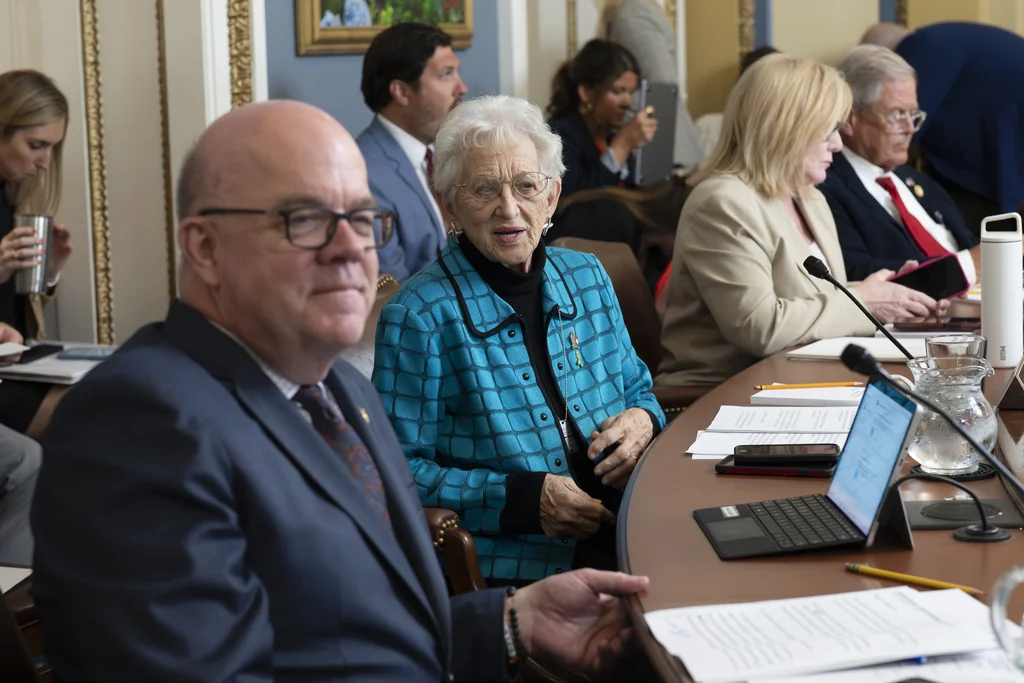
The Rules Committee made headlines on Tuesday as it rejected multiple bipartisan amendments to a Republican-led healthcare bill. These amendments aimed to extend the Affordable Care Act’s (ACA) enhanced subsidies, which are set to expire at the end of this year. The decision was made along party lines, leaving centrist Republicans in a difficult position as they seek to find a compromise.
Following a heated lunch meeting with House Speaker Mike Johnson (R-LA), several centrist Republicans introduced amendments that would have addressed the expiring subsidies. However, these proposals were all turned down by the committee. Among the amendments was Rep. Brian Fitzpatrick's (R-PA) plan to extend the subsidies for two years with added fraud reforms. Another was Rep. Jen Kiggans’s (R-VA) one-year extension, which included new income caps and measures to combat fraud, along with a budget offset. Rep. Kevin Kiley’s (R-CA) proposal also sought a two-year extension of the credits.
Rep. Nick LaLota (R-NY) offered two additional amendments that mirrored Kiggans's and Fitzpatrick's bills. However, these proposals included a unique twist: allowing health insurance premiums to be deducted as a tax instead of receiving subsidies upfront. LaLota expressed support for the broader GOP healthcare bill, calling it a step toward addressing structural issues in the healthcare system. Yet, he emphasized the need for temporary solutions to help those currently relying on the ACA exchanges.
Each of these amendments would have extended open enrollment for purchasing Obamacare plans until March. This issue has been a major point of contention for both Republicans and Democrats, who have been working for months to address the expiring credits. Originally passed by Democrats as temporary relief during the COVID-19 pandemic in 2021, the subsidies were later extended until the end of 2025 under the Inflation Reduction Act signed by former President Joe Biden.
Without the enhanced subsidies, average premium prices are expected to double by 2026, with early retirees and small business owners facing the steepest increases. Approximately four million people could lose their health insurance coverage entirely if no action is taken.
Centrist lawmakers have been pushing for a short-term extension of the subsidies, either through a vote or by having GOP leadership bring the legislation to the floor. However, the latter option was ruled out on Tuesday morning, leaving them with limited options.
Fitzpatrick and Kiggans have both filed discharge petitions for their respective bills. If either measure reaches the necessary 218 signatures, it would force leadership to hold a vote. “We are leaving no stone unturned,” Fitzpatrick said before the Rules meeting. “We want to pursue every single path, exhaust every remedy.”
Despite these efforts, the Tuesday Rules meeting left these lawmakers with little hope of a path forward before the subsidies expire on December 31. The GOP-led health bill is scheduled to be voted on Wednesday before lawmakers leave for the holiday break. Support from these centrists, who are pushing for an extension of the subsidies, remains uncertain as they try to work out a deal.
This bill faces an uphill battle in the Senate, where it requires Democratic votes to reach the 60-vote threshold. Without any extension of the ACA enhanced subsidies, the bill is likely to fail in the upper chamber.
Democratic leadership has refused to support either bipartisan discharge petition, insisting that the three-year extension proposed by House Minority Leader Hakeem Jeffries (D-NY) is the only viable option. This bill has already secured 214 Democratic signatures, needing only four more Republicans to sign on to force a vote.
Support from Democratic leadership could be crucial in unlocking a vote on a bill to extend the subsidies. However, this would require them to abandon their hard stance on the three-year bill, which currently has no Republican support.
Lawmakers have grown increasingly frustrated with Speaker Johnson, especially after his announcement that there would not be a vote on extending the Obamacare subsidies on Tuesday morning. Members leading the charge on the bipartisan resolutions believe the best course of action is to hold a vote and let the caucus decide.
Johnson stated that the goal was to appease the centrists in his caucus concerned about this issue. However, he ultimately concluded that “it was just not to be.” “We worked on it all the way through the weekend, in fact. And in the end, there was not — an agreement wasn’t made,” he said at a press conference.
At a Democratic press conference on Tuesday, House Democratic Caucus Chairman Pete Aguilar (D-CA) called the three-year extension the “closest path that we have in front of us” and encouraged disgruntled GOP lawmakers to work across the aisle on this issue.

Post a Comment for "House Rules Blocks Centrist GOP's Final Obamacare Subsidy Push"
Post a Comment