Holiday music sounds sadder than ever, says streaming data
The Rise of Sad Holiday Music
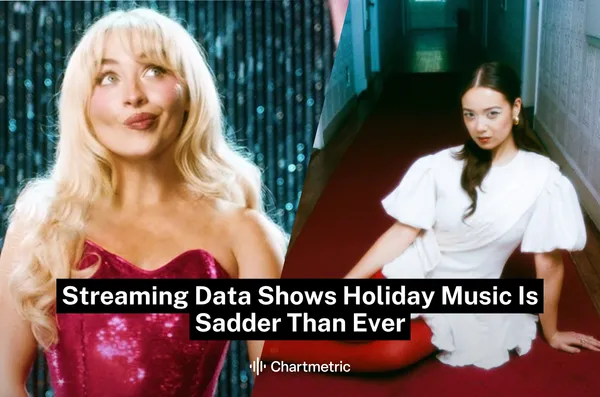
Holiday music is taking on a more melancholic tone. Artists like Phoebe Bridgers, Sabrina Carpenter, and Ed Sheeran are leading the trend with sad Christmas tracks that have become popular on streaming platforms such as Spotify and Apple Music. This shift in mood has led to an increase in playlists designed for those who find the holiday season to be a time of reflection, loneliness, or sadness.
Beyond the traditional elements of holiday cheer—mistletoe kisses, marshmallow worlds, and tinsel-topped festivities—there is a bittersweet undercurrent in festive music. Joyous pop songs often contrast with wintery laments, and many of the season’s most comforting tracks evoke a sense of melancholy that resonates with listeners during December.
Kacey Musgraves captured this anti-festive spirit in her 2016 country-pop song, which reflects on the emotional struggle of feeling lonely during the holidays. Her track has seen a resurgence in popularity since late October, and it has been featured on Spotify playlists that focus on moods such as “lonely,” “heartbroken,” and “melancholic.” These emotional tags reflect the growing number of alternative Christmas songs that deal with the complexities of the holiday season in more personal and meaningful ways.
Mainstream Popstars and Their Sad Holiday Tracks
While jolly standards like “All I Want For Christmas Is You” still dominate the holiday charts, contemporary pop artists are increasingly exploring the theme of melancholy during the season. In 2017, Phoebe Bridgers began her annual tradition of reworking seasonal favorites into ghostly covers, offering a gray-shaded take on classic songs. Her cover of Merle Haggard’s “If We Were Vampires” gained significant attention on Spotify, while her 2019 version of Simon & Garfunkel’s “The Boxer” has also seen a surge in popularity.
Miley Cyrus originally wrote “My Sad Christmas Song” in 2015 but revisited it in 2019. Similarly, Carly Rae Jepsen delivered a relatable and humorous take on the chaos of family gatherings with her track “Christmas in the City,” which has seen a rise in streams. In 2023, Bryson Tiller teamed up with Justin Bieber and Poo Bear for the R&B-pop song “Under the Tree,” while Sabrina Carpenter released a slow-tempo holiday pop ballad titled “I Wrote a Song for You (Sad at Christmas),” which has received critical acclaim.
Ed Sheeran also contributed to this trend with his emotionally raw track “Under the Tree,” which was used in the 2024 animated film That Christmas. The song, co-written by Snow Patrol’s Johnny McDaid, explores the pain of lost love and has drawn over 10 million streams.
Anti-Party Playlists and Alternative Festive Content
Other prominent pop stars have also released less-than-merry holiday tracks. Charlie Puth’s 2024 release “December” reflects on the theme of pining for a loved one or being dumped at Christmas, while Jennifer Hudson’s November 2025 single “Let Me Be Your Christmas” leans into a sombre spiritual dimension. Many of these songs have found a home in alternative festive playlists on streaming platforms.
Spotify’s “Sad Christmas” playlist, for example, has seen a significant increase in followers, rising from 5,121 in 2021 to over 28,800 in November 2025. Apple Music’s updated “Festive Feelings” playlist includes a range of eras and styles, from indie-rock to R&B and singer-songwriting. Tracks like Bleachers’ “Merry Christmas, Please Don’t Call” and Khalid’s “Last Christmas” offer a different take on the holiday season.
Psychological Reasons Behind the Trend
There may be a psychological explanation for why some people gravitate toward sad holiday music. Dr. Elizabeth Margulis, a professor at Princeton University, explains that the repetition of festive music creates a shared reference point that people can react against. This source sensitivity can lead to irritation if the music feels forced or inauthentic.
According to research, sad Christmas songs help listeners cope with the “festive blues” of loneliness or stress during the holidays. People often seek out sad music as a way to validate their emotions and feel connected to others who may be experiencing similar feelings.
The Future of Sad Holiday Music
Despite the dominance of upbeat holiday hits on mainstream charts, the trend of sad and melancholic Christmas music continues to grow. While classic tracks like Bobby Helms’ “Jingle Bell Rock” and Michael Bublé’s “Holly Jolly Christmas” remain popular, newer tracks are beginning to reflect more diverse moods. In 2025, several new additions to Spotify’s “Christmas Hits” playlist include tracks tagged with “mournful,” “melancholic,” and “lonely.”
This shift suggests that the holiday music landscape is evolving, with more artists exploring the emotional depth of the season. As listeners continue to seek out music that resonates with their personal experiences, the trend of sad holiday tracks is likely to persist.

Post a Comment for "Holiday music sounds sadder than ever, says streaming data"
Post a Comment