Ford's Big EV Shift: Replacing F-150 Lightning with Range-Extender Hybrid
Ford's Strategic Shift in the Electric Vehicle Market
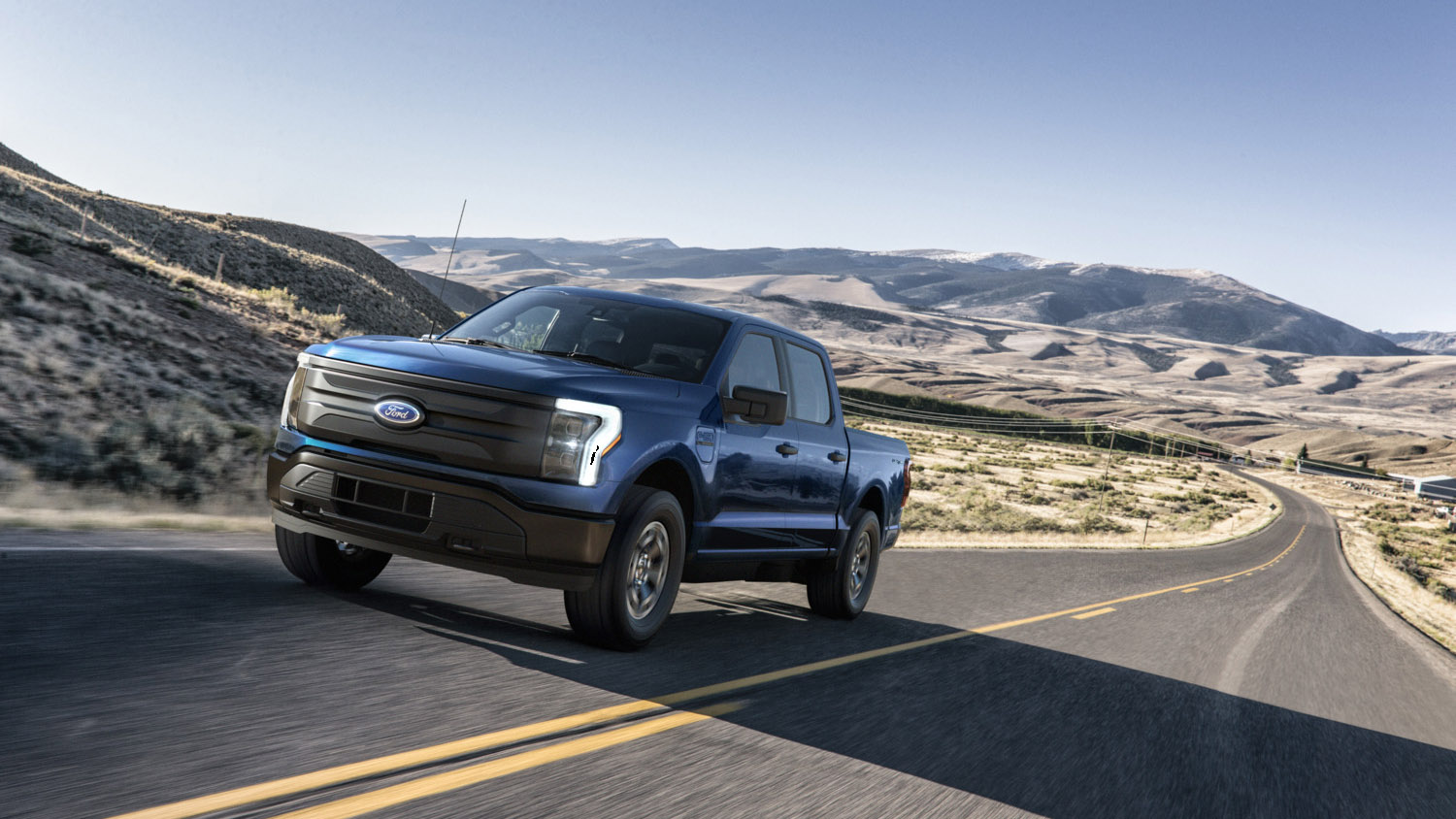
Ford has made a significant decision to exit the electric truck market, marking a major shift in its approach to electrification. The battery-powered Ford F-150 Lightning, which had a three-year production run, has officially been canceled. However, the Lightning nameplate will make a return in a new form: a hybrid model equipped with a range-extender combustion engine.
This change comes as part of a broader overhaul of Ford’s electrification strategy. In a statement, the company explained that it no longer plans to produce certain larger electric vehicles due to lower-than-expected demand, high costs, and regulatory changes. This decision is expected to cost Ford $19.5 billion in accounting charges, or “special items,” most of which will be reflected in its Q4 2025 results. Out of this figure, $5.5 billion will involve cash effects, with the majority paid in 2026 and the remainder in 2027.
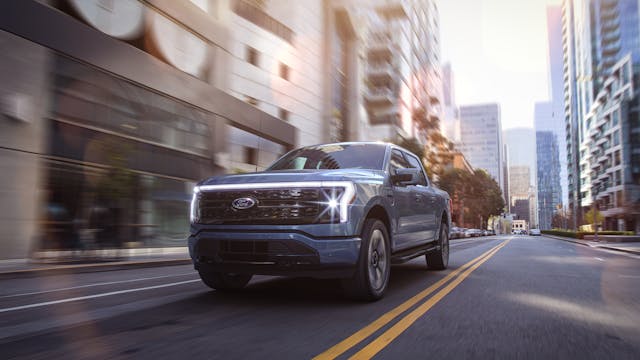
The next generation of the F-150 Lightning will feature an extended-range electric drivetrain that uses a gasoline-burning engine as a generator. This approach is similar to what Ram and Scout have adopted. Ford estimates that the new Lightning will offer over 700 miles of driving range, compared to about 350 for the current Extended-Range model. The vehicle will still be capable of accelerating from 0 to 60 mph in under five seconds and retain the ability to power tools and toys off the grid. The next-gen F-150 Lightning will be built in Detroit, though the debut date remains undisclosed.
Expanding Hybrid Options and Future Plans
EVs are making way for hybrids in Ford’s product lineup. The automaker plans to expand its range of hybrid options until, by the end of the decade, nearly every model in its portfolio will have some degree of electrification. According to the release, by 2030, about 50% of Ford’s global volume will be hybrids, extended-range EVs, and electric vehicles, up from 17% today. This shift raises questions about whether a hybrid Mustang might be on the horizon.
Looking ahead, Ford will build “new affordable gas-powered trucks” at BlueOval City in Tennessee starting in 2029. Originally known as the Tennessee Electric Vehicle Center, the facility will be renamed the Tennessee Truck Plant. These gas-powered trucks will replace the previously planned next-generation electric truck. Additionally, in 2029, the Ohio Assembly Plant will construct a new commercial van available with both gasoline and hybrid power. This van is expected to replace a previously planned EV in Ford’s product pipeline, potentially replacing the Transit model launched globally in 2014. More details are yet to be announced, but Ford says that launching these new models will require hiring thousands of new employees across the country in the coming years.
Continuing Investment in Electric Vehicles
Despite exiting the electric truck market, Ford is not abandoning the EV segment entirely. The company is still developing a modular architecture called the Universal EV Platform, which will support what it refers to as “smaller, affordable models.” The first car built on this platform will be a “fully connected midsize pickup,” scheduled to be built in Louisville starting in 2027.
Ford has also pushed back the timeline for when it expects Ford e, its electric vehicle division, to become profitable. Initially targeting a positive EBIT margin of 8% for the unit by the end of 2026, the company now anticipates profitability by 2029, with improvements beginning in 2026.
Leveraging Battery Capacity for Energy Storage
With the removal of electric models from its product pipeline, Ford finds itself with excess battery-building capacity. Instead of letting this go to waste, the company plans to leverage its battery plants for the booming energy storage business. Factories in Michigan and Kentucky will start shipping batteries for use in data centers and other applications in 2027.
While Ford and Ram have exited the EV truck game, it is likely that similar market, industrial, and regulatory forces are affecting General Motors as well. Chevrolet and GMC have not announced plans to cancel or hybridize their respective battery-powered pickups (Silverado EV and Sierra EV). Rivian, whose entire business plan relies on the prediction that demand for big EVs would be high, remains in the market. It will be interesting to see how the segment evolves in the coming months.
Ford's strategic pivot highlights the challenges and evolving landscape of the electric vehicle market, as companies reassess their approaches to meet changing consumer demands and economic realities.

Post a Comment for "Ford's Big EV Shift: Replacing F-150 Lightning with Range-Extender Hybrid"
Post a Comment