Ford faces the cost of electric vehicle bets
Ford's Shift in Strategy
Ford Motor Company has been a prominent player in the electric vehicle (EV) market for the past five years. However, it has now realized that the EV market it was pursuing may not have existed as anticipated. On Monday, Ford announced a significant financial setback, with a $19.5 billion write-down attributed to its struggling EV business. This decision marks a strategic shift, as the company plans to redirect its capital towards models that are more likely to generate profit, including hybrid gas-and-electric vehicles.
This move is expected to influence other traditional automakers that previously embraced the EV trend with varying levels of enthusiasm. These companies may soon follow suit, making similar announcements in the coming months.
CEO's Perspective on the Change
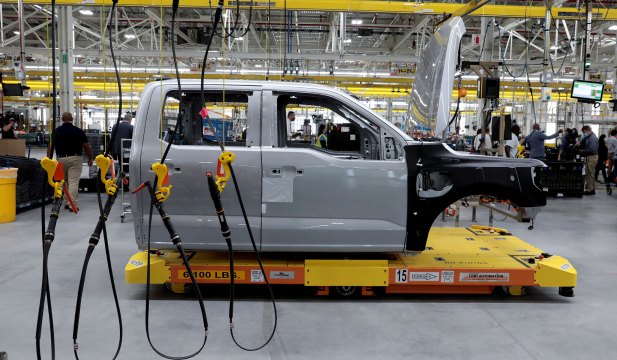
Ford CEO Jim Farley explained the rationale behind this shift, stating, “Instead of plowing billions into the future knowing these large EVs will never make money, we are pivoting.” The company’s electric version of the F-150 pickup truck, the Lightning, will be discontinued. Additionally, an EV battery factory in Kentucky will be repurposed to serve industrial clients in battery storage.
Political Influence and Market Realities
Green energy advocates might attribute Ford's losses to President Trump, who signed legislation that repealed EV tax credits and rescinded fuel-efficiency mandates. However, the truth is that the mass-market EV industry was always destined to face challenges long before Trump's re-election. It was created by policymakers rather than driven by consumer demand and required substantial financial support and regulatory pressure to survive.
Only a small fraction of the U.S. car-buying market showed interest in purchasing EVs, and traditional automakers struggled to compete with Tesla, which had already established a strong presence in the market.
Government Initiatives and Consumer Resistance
Policymakers began their campaign against gas-powered cars over a decade ago. In the late 2000s, Congress introduced a $7,500 tax credit per EV sold, which would phase out after a manufacturer reached 200,000 electric cars. President Obama pledged additional federal support in 2011 and set a goal of having 1 million EVs on U.S. roads by 2015. The actual number fell short, reaching just under 400,000.
President Biden continued this initiative by expanding the federal EV tax credit in 2022, extending it to all personal sales, as well as used and commercial vehicles. Despite these efforts, consumers did not embrace EVs as expected. The high price of new EVs, even with tax credits, remained significantly higher than that of gas-powered and hybrid vehicles. Tax credits often benefited affluent buyers who would have purchased an EV regardless, leading to the wasteful use of tens of billions of dollars.
Regulatory Pressure and Market Response
When consumers resisted buying EVs, Biden sought to enforce compliance through regulatory changes introduced in 2023 and 2024. These regulations mandated that automakers produce a certain percentage of EVs within a decade, regardless of real demand. By 2032, two-thirds of new cars would need to be electric to comply.
This regulatory framework was beneficial for major automakers that had invested heavily in EV production. Although they were restricted from making the cars customers wanted, their competitors faced the same limitations. Consumers were forced to purchase EVs, thereby recouping the investments made in EV production.
Recent Changes and Financial Impact
The situation changed with the 2024 election, where voters gave Republicans a governing trifecta. Congressional Republicans repealed the EV tax credit as part of this year’s reconciliation package, and President Trump rolled back Biden’s regulatory dictates. As a result, automakers like Ford realized that no one would compel consumers to buy their latest electric models or offer incentives to do so.
Ford’s investments in EVs made sense only when Washington was pressuring the market to conform to its visions. Now that this pressure is gone, automakers are free to meet true consumer demands — but not before government interference cost them dearly.
Consumer Preferences and Market Challenges
Consumers consistently opposed the government's push for widespread EV adoption for one key reason: EVs are not appealing to the majority of drivers. They are expensive, have limited range, and often pose challenges in terms of charging infrastructure. Additionally, they offer few advantages over gas-powered cars beyond the aspect of virtue-signaling.
These are fundamental issues that no advertising campaign or subsidy could resolve. If EV technology advances in the future, it should be adopted through the voluntary decisions of automakers and consumers, not through the imposition of progressive policies.
Ford’s $19.5 billion retreat highlights that, at least for now, the market is far from embracing EVs as the dominant choice.

Post a Comment for "Ford faces the cost of electric vehicle bets"
Post a Comment