Dogs Near Chernobyl Reveal Mysterious Mutations Scientists Can't Explain
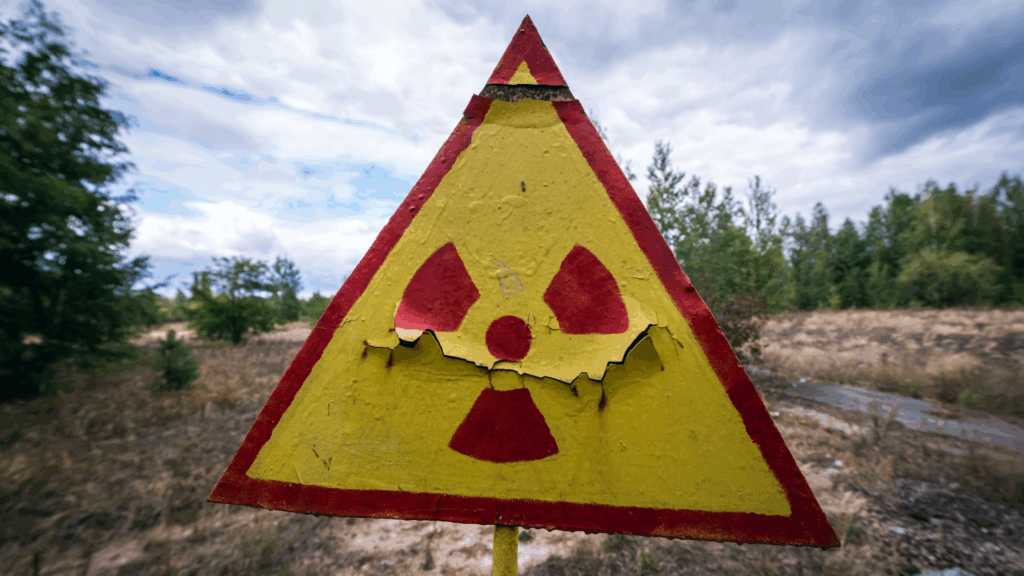
For nearly four decades, the area surrounding the ruined Soviet reactor has remained largely empty of people, yet full of wildlife adapting to an unusual landscape. After the April 1986 explosion at the Chernobyl Nuclear Power Plant, vast territories were abandoned, creating a rare chance to observe how persistent radiation influences living organisms.
Among the animal populations that settled in the exclusion zone, feral dogs stand out, many descended from pets left behind during the evacuation. These animals now roam freely through places once built for humans.
Scientists have recently focused their attention on these canine populations, treating them as a valuable case for understanding how genomes respond to environmental stress. Comparing dogs living inside the exclusion zone with those in nearby communities offers a way to detect differences that could reflect decades of exposure and adaptation.
Genetic Surprises from the Exclusion Zone
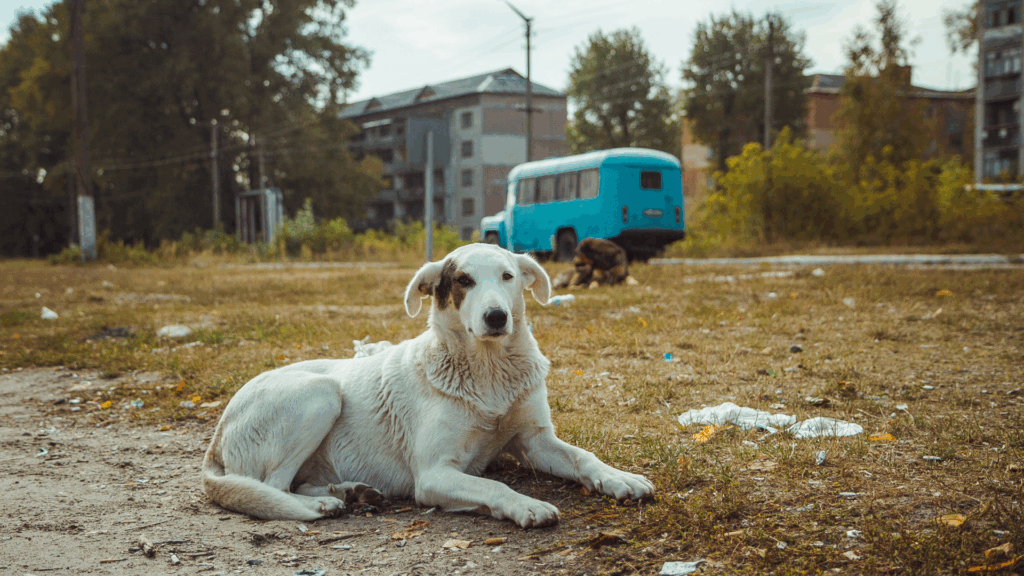
A recent large-scale genetic analysis looked at the DNA of hundreds of feral dogs living in and around Chernobyl. Researchers sequenced their genomes and compared animals within the power plant perimeter to dogs found about ten miles away, aiming to identify distinctions that could signal shifts tied to this unique environment.
The study revealed notable genetic differences between the two groups, raising questions about whether these variations emerged as adaptations, random genetic drift, or the result of breeding patterns in a relatively isolated population.
At the same time, experts warn that linking genetic differences directly to radiation is challenging, since factors like inbreeding, ecological pressures, or population bottlenecks can produce similar patterns in DNA.
Conflicting Analyses and Scientific Debate

The initial discoveries sparked wider discussion, especially because newer studies using other genomic techniques found contrasting results. Some follow-up analyses, which examined chromosomes, whole genomes, and even individual nucleotides, reported no clear signs of radiation-driven mutation. These findings suggest that other explanations may account for the genetic distinctions observed.
This scientific back-and-forth shows how difficult it is to isolate the impact of chronic radiation from the natural movements of genes in wild populations. Dozens of dog generations have passed since 1986, complicating efforts to detect changes that would need to consistently benefit survival in order to remain visible today.
Even with the uncertainty, this research creates a valuable foundation for future comparison. The data collected provides a reference point for studying how mammals respond to long-term environmental stress and helps refine the tools researchers use to explore genetic adaptation.
From Mystery to Method, Why It Matters

A region once expected to become a lifeless wasteland has transformed into a unique natural experiment, offering continuous insight into resilience, risk, and the slow progression of genetic change. Whether the differences found in Chernobyl’s dogs stem from radiation, isolation, or a combination of influences, the investigations help sharpen scientific understanding by clarifying which questions still need answer.
As researchers continue comparing dog populations inside the exclusion zone with those from unaffected areas, the scientific picture will gain definition. Each new study brings us closer to separating assumption from evidence, and reminds us how ecosystems react to human-made disasters in complex and often surprising ways.

Post a Comment for "Dogs Near Chernobyl Reveal Mysterious Mutations Scientists Can't Explain"
Post a Comment