Detroit's $32 Million Literacy Fund Spending Revealed
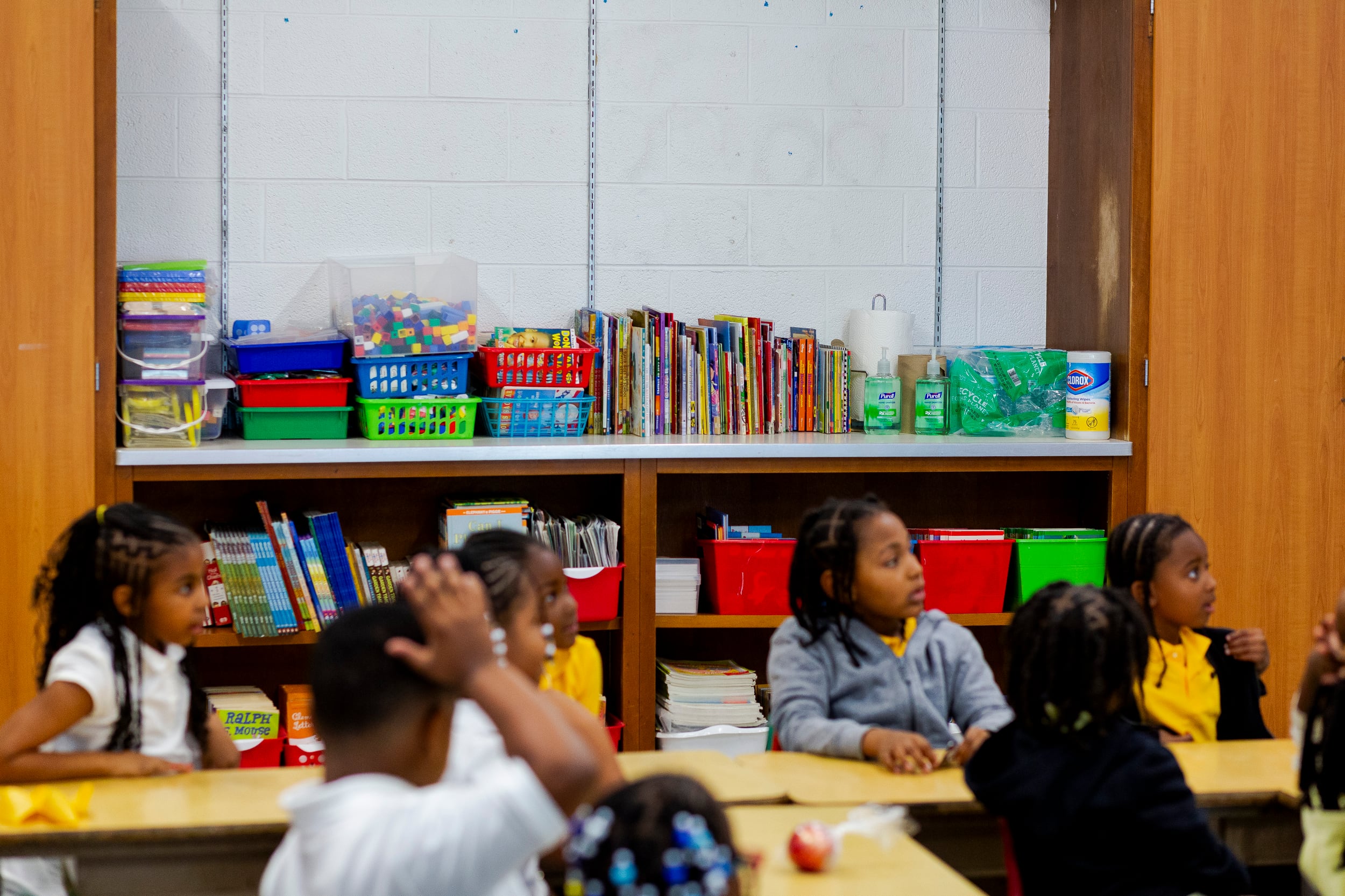
Detroit Public Schools Community District (DPSCD) Invests in Literacy Initiatives
Detroit Public Schools Community District (DPSCD) has made significant strides in improving literacy among its students by utilizing funds from a $94.4 million settlement from a 2016 federal “right to read” civil rights lawsuit. The district has allocated approximately $32 million from the settlement to enhance literacy instruction, reduce class sizes, and provide tutoring services for students.
The investment has already shown positive results, with improvements noted in classrooms that have academic interventionists and those where students receive in-school tutoring. According to Superintendent Nikolai Vitti, these efforts have led to greater progress on literacy assessments compared to peers who did not receive such support.
The settlement was reached in 2020 after the lawsuit alleged that Michigan's long-standing funding inequities resulted in poor conditions in Detroit schools, including issues like vermin infestations, overcrowding, and leaking sewage. These conditions were said to hinder students' access to basic education, particularly literacy.
Over the past three years, DPSCD has been implementing a plan to use the funds to improve literacy instruction and proficiency. The district’s approach is based on recommendations from a task force and input from community meetings.
Focus on Early Grades
A major portion of the settlement money has gone toward teaching students in grades K-3 to read. Vitti emphasized that investing in early grades helps narrow the achievement gap and ensures students are on track as soon as possible.
Recent state standardized testing data indicates that these efforts have had a positive impact. The percentage of DPSCD third graders meeting or exceeding proficiency in English language arts on the M-STEP test reached an 11-year high during the 2024-25 school year.
However, the district's overall proficiency rates still lag behind statewide averages. In the spring of 2024, only 15.4% of students in grades 3-8 in DPSCD scored proficient or above in English language arts, compared to a statewide average of 38.9%.
Addressing Chronic Absenteeism
At a recent board finance committee meeting, Ida Short, a board member, asked Vitti about ways to help students catch up to grade level more quickly. Vitti highlighted chronic absenteeism as a major challenge, defined as missing 10% or more of school days in a year.
Last year, over 60% of DPSCD students were chronically absent, though the district has managed to reduce this rate below pre-pandemic levels. It remains higher than the statewide average.
Breakdown of Settlement Spending
DPSCD has invested the settlement funds in various initiatives:
-
Academic Interventionists: The district spent $17.3 million to hire 267 additional literacy academic interventionists. Students in classrooms with these interventionists showed more improvement on assessments.
-
Reducing Class Sizes: $4.6 million was used to hire 44 additional teachers to reduce K-3 class sizes. While the largest improvements were not necessarily linked to the most dramatic reductions in class size, the initiative has contributed to better outcomes.
-
Teacher Leaders: With $4.5 million, 43 additional teachers were hired to allow teacher leaders to focus on coaching other educators. Of the 216 teacher leaders last year, 77 taught K-8 English language arts classes while also coaching others. Students taught by teacher leaders were somewhat more likely to meet reading goals.
-
Multilingual Support: Around $2.5 million was spent to hire more multilingual academic interventionists for non-English speakers. The district also expanded a newcomer program at Western International High School and established one at Harms Elementary School.
-
Merit Pay: This school year, $1.8 million will be allocated for merit pay for educators whose schools or classrooms meet ambitious literacy goals.
-
Let’s Read Tutoring: $240,000 was used to fund 150 Let’s Read tutors for first and second graders. The program now serves about 423 students, significantly more than previous years. Tutors received stipends of $2,500 and additional training.
-
After-School Tutoring: $230,000 was spent on free after-school online tutoring for all grades to prepare for end-of-year testing. High schoolers who participated had better PSAT/SAT scores.
-
Parent Academy: $270,000 was used to create Parent Academy sessions focused on literacy. Parents received $25 stipends for attending up to 15 sessions, with nearly 900 parents from 89 schools participating.
These investments reflect DPSCD’s commitment to improving literacy and addressing systemic challenges within the district.

Post a Comment for "Detroit's $32 Million Literacy Fund Spending Revealed"
Post a Comment