Choices to keep, or perhaps forget
In the early days of the automobile industry, before car manufacturers began offering pre-packaged options and trim levels, a more customizable approach was the norm. While some buyers were content with whatever a dealer had in stock, special orders were quite common. Tools like Ford’s Armchair Estimator helped shoppers understand the costs and options available for different models, enabling them to walk into dealerships prepared to place an order—or at least decide whether a 429 V-8 paired with a four-speed manual was really necessary for the family Torino Squire.
Whether necessary or not, there was nothing stopping buyers from ordering such setups, and a few did just that. However, long options lists allowed for much more than just creating big-engined station wagons. They included some truly unusual offerings. Many vintage car enthusiasts know about Chrysler's record player option from the 1950s, but that seems relatively practical compared to some other oddities.
Here’s a look at a few notable examples, including some lesser-known features beyond Chrysler’s Highway Hi-Fi. In hindsight, some of these seem like clever ideas, while others are best left forgotten. But if you think distracted driving is something new, think again.
Steering Wheel Cigarette Dispenser
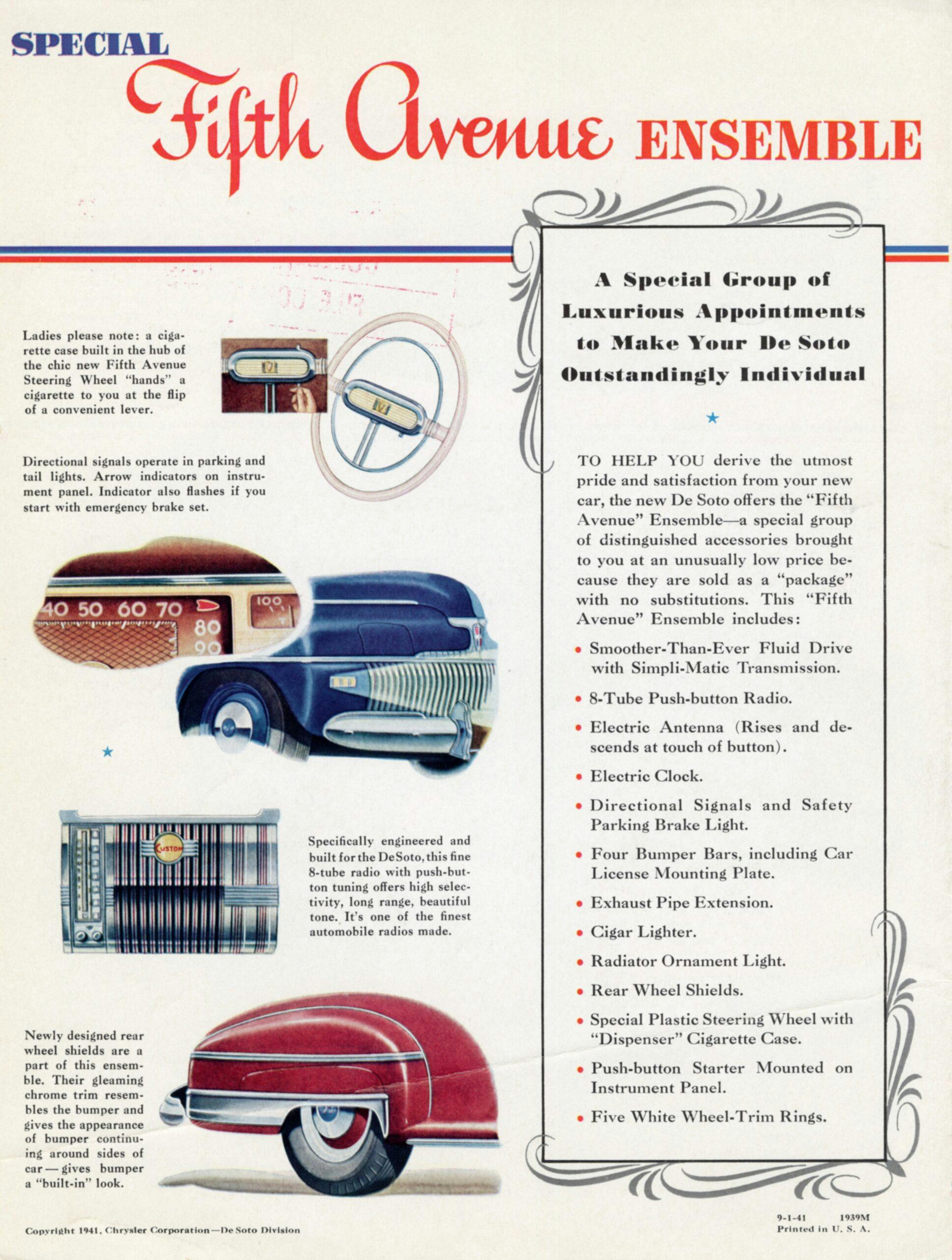
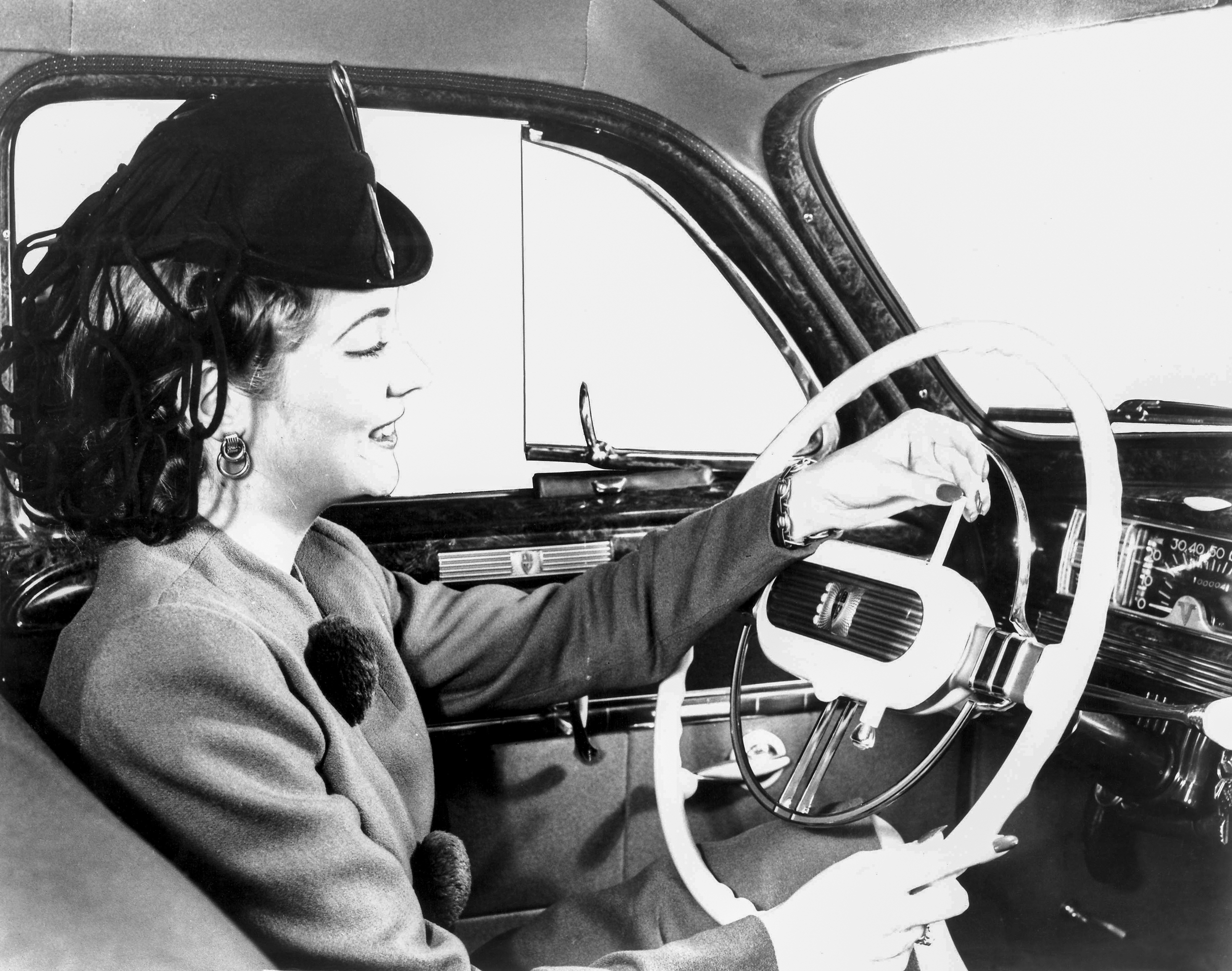
In the 1940s, DeSoto introduced a rather ingenious cigarette dispenser mounted directly in the steering wheel hub. Designed to ease the frustration of searching for a cigarette while driving, it made chain smoking all the more convenient. A simple button press would pop out a smoke, and a 14-cigarette capacity ensured enough supply for road trips—though not necessarily for long-term health.
Station Wagon Rear Window Washer
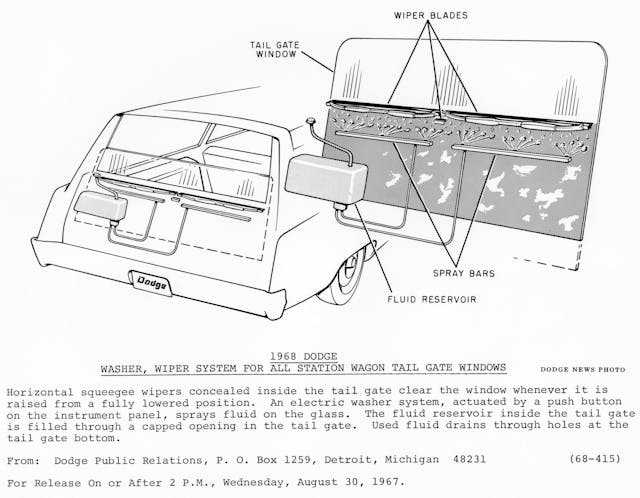
Some late 1960s Chrysler corporation station wagons came with an optional "Magic Window" in the tailgate. This feature aimed to solve the problem of grime blocking the driver's view. Pressing a button on the dash would cause the window to disappear into the tailgate, where it would be cleaned with windshield washer fluid and an internal squeegee. While this might sound like a good idea, the self-cleaning window didn’t last very long—probably for the best, especially for passengers in the third row during bad weather.
Traction in a Bottle
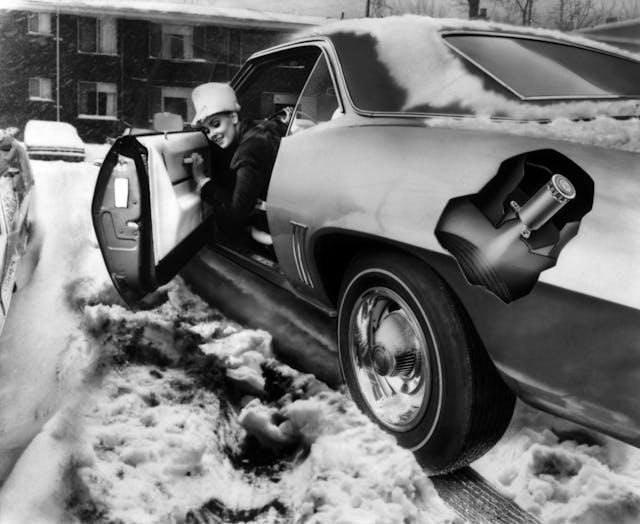
Big V-8 engines and rear-wheel drive were perfect for muscle cars, but not so great for traction in foul weather. In 1969, Chevrolet introduced an optional system called Liquid Tire Chain. This system used a sticky goo that was squirted onto the rear tires when conditions got slippery. Available on the Camaro and selected other models, the system involved an inverted bottle in the trunk that would spray each rear wheel, helping drivers get unstuck and continue their journey.
Dodge Super-Lite
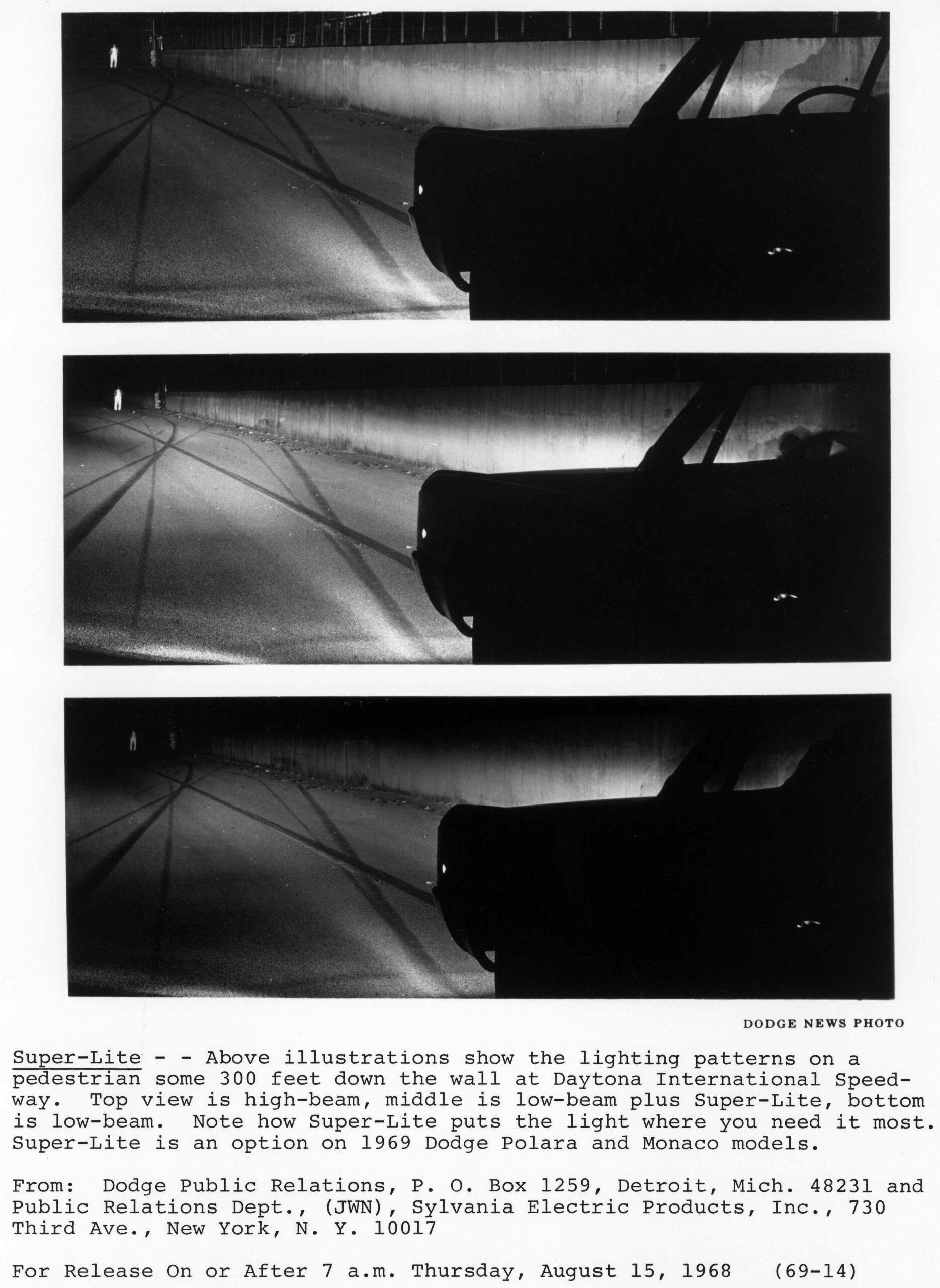
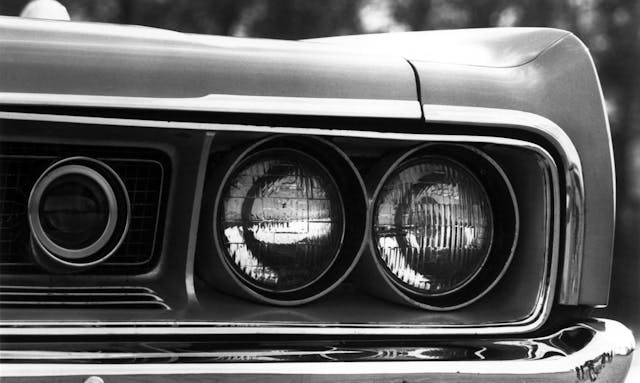
In 1969, Dodge became the first domestic carmaker to experiment with headlights more effective than the traditional sealed-beam technology. The Super-Lite option, developed in cooperation with Sylvania, used a single 85-watt halogen bulb mounted in the grille on the driver’s side. This pioneering use of a projector beam lighting system aimed to provide better illumination than low beams without blinding oncoming drivers.
CR-V Picnic Table
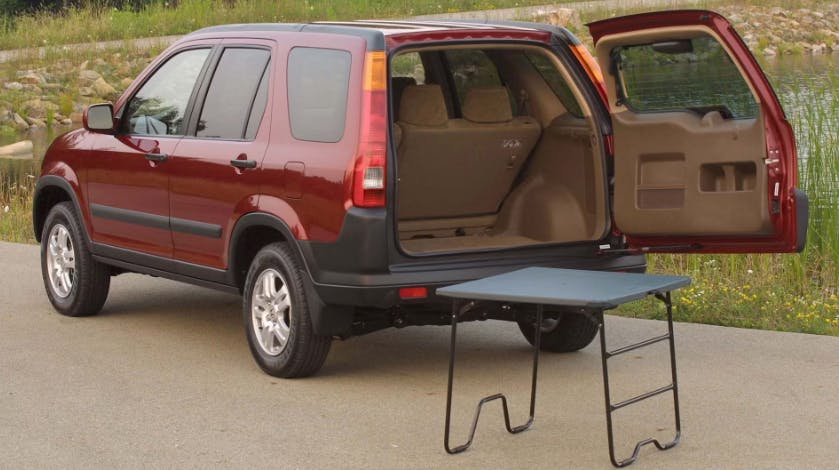
This wasn’t an official option, but it’s too cool to ignore. When Honda launched the CR-V in 1997, it introduced a rear cargo cover that doubled as a picnic table with folding legs. While party time was always possible, the table required standing. In fairness to Honda, adding chairs would have been challenging given the compact SUV design. Interestingly, many owners never realized the tables were there, even though hundreds of thousands, if not millions, were produced. If you're looking for one, plenty of pristine examples are available online.

Post a Comment for "Choices to keep, or perhaps forget"
Post a Comment