Certifications that elevate medical imaging careers
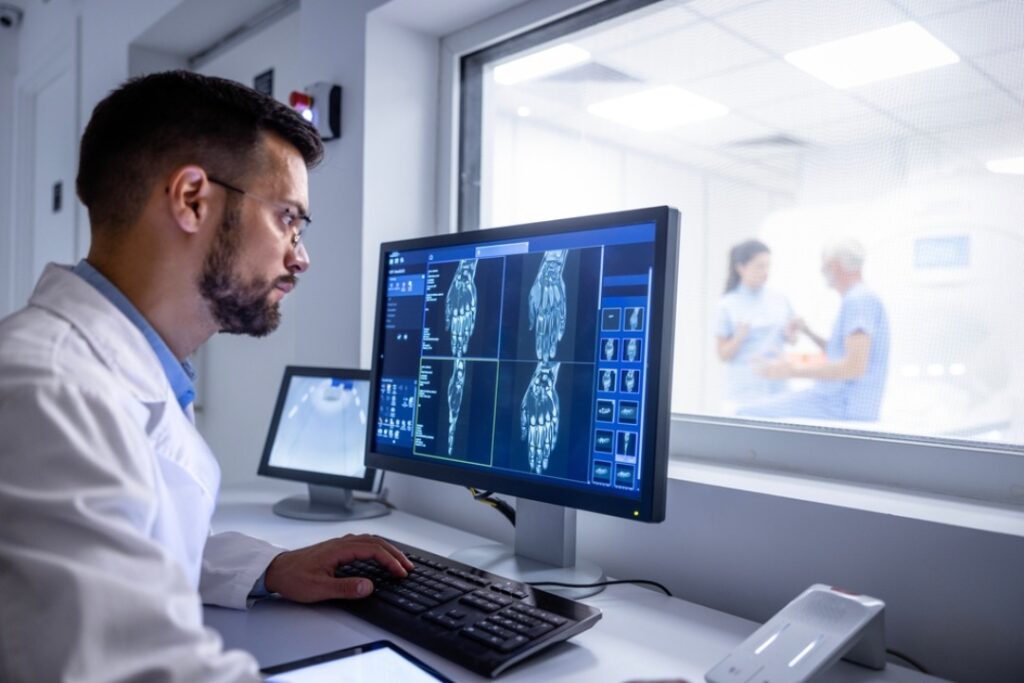
Why Certifications Matter in Medical Imaging
If you're working in medical imaging or planning to enter the field, you're likely aware of how competitive it is. However, what truly distinguishes one technologist from another? The answer lies in certification. Whether you're just starting your career or aiming for a promotion, obtaining the right credential can make all the difference between stagnation and advancement into higher-paying, more specialized, or more secure roles.
In today’s healthcare environment, certifications have become a standard measure of credibility. Employers see them as proof that you are not only trained but also committed to continuous learning and professional growth. As a result, certified professionals often enjoy greater job security and access to roles that non-certified peers may not be eligible for.
There's also a clear link between certification and earning potential. In many facilities, technicians with specialized certifications can command significantly higher wages, particularly in high-demand imaging specialties such as MRI and PET/CT. More importantly, advanced allied health certifications open up new career pathways for those looking to cross-train, lead a team, or eventually transition into research or teaching.
Top Certifications That Pay Off
Advanced Modality Credentials: MRI, CT, PET, and Mammography
Specializing in a specific modality can be a game-changer. For example, MRI certification not only qualifies you to work with advanced magnetic resonance technology but also opens doors in orthopedic clinics, neurological centers, and research hospitals. CT-certified professionals are in high demand in trauma centers and oncology departments, where precise, real-time imaging is critical.
PET and PET/CT certifications are especially valuable in the growing field of molecular imaging. These modalities are commonly used in cancer detection and neurological assessments and are increasingly adopted by cutting-edge research and diagnostic facilities. Meanwhile, mammography remains essential in women’s health, especially in breast cancer screening and early detection programs. These credentials expand your work opportunities and can potentially significantly boost your earning potential and job flexibility in the imaging field.
ARDMS: A Must-Have in Sonography
The American Registry for Diagnostic Medical Sonography offers some of the most respected ultrasound credentialing in the healthcare industry. Depending on your interests, you might pursue specialities like obstetrics/gynecology, vascular technology, or cardiac sonography. Each track opens access to new work environments. Ob-Gyn specialists often work in prenatal care clinics, for example, while vascular technology or cardiac sonographers may find opportunities in cardiology practices or stroke prevention programs.
What all ARDMS-certified professionals have in common is a strong demand and the ability to work in both hospital and outpatient settings.
Nuclear Medicine: The Power of NMTCB Certification
If you're drawn to the science of imaging at the cellular level, the Nuclear Medicine Technology Certification Board credential is a valuable asset. It confirms your expertise in working with radiopharmaceuticals and performing functional imaging that goes beyond anatomy to reveal metabolic processes.
NMTCB certification is particularly respected in settings that utilize PET/CT, SPECT, and hybrid imaging technologies. It also positions you well for research and roles in specialized departments like oncology, cardiology, and neurology.
ARRT Advanced Pathways: Going Beyond the Basics
Most imaging professionals start their journey with certification from the American Registry of Radiologic Technologists. However, many people don’t realize the numerous advanced options the organization offers. From interventional radiography to cardiac-interventional procedures and even education leadership roles, ARRT’s post-primary radiology certifications are designed for professionals who want to level up.
Techs working in vascular interventional radiology assist in minimally invasive, image-guided procedures. Others move into sonography or MRI through the ARRT certification process. These paths not only diversify your skill set but also help you move into leadership roles where you can supervise teams or mentor new technologists.
The Frontier of Imaging: AI, Hybrid Modalities, and Cardiac Imaging
While the field evolves, so do the certification opportunities. Cardiac imaging is one area seeing explosive growth, particularly with the rise of AI-assisted diagnostics. Similarly, hybrid modalities like PET/MRI and PET/CT are becoming more common, requiring technologists to understand multiple imaging systems and seamlessly integrate these invaluable skills.
New certifications are emerging to meet these needs, with some tied to informatics and machine learning in imaging—a hint at where the profession is heading. By staying on top of these trends, continuing education and forward-thinking credentialing can give you a powerful competitive edge.
How Certifications Boost Your Career
When it comes to advanced credentials, the return on investment is real. Imaging professionals who earn specialty certifications often experience a salary increase, sometimes as much as 10 to 20 percent, depending on the modality and geographic location. But the benefits don’t stop there.
Think of certifications as stepping stones on the path to leadership, research, or education. Some technologists who once thought they’d be scanning for life are now supervisors, program directors, and clinical educators—all thanks to the credentials that built their expertise and reputation.
Additional certifications also make imaging professionals more versatile and resilient. If demand in one modality or setting shifts, having multiple credentials allows you to pivot without having to start from scratch.
Taking the Next Step Without Getting Overwhelmed
Pursuing a new certification can feel like a big leap, but it doesn’t have to be a daunting experience. Begin by considering your long-term objectives. Do you want to work in a specialized department, earn more, or move into management one day? Once your direction is clear, research the certifications aligning with that path.
Job boards like Health eCareers are a great resource to see which credentials are in demand in your area. You’ll likely notice trends such as a growing need for MRI or ultrasound certifications in outpatient settings. From there, determine the costs and timelines. Some employers offer tuition reimbursement or continuing education support; check with your department head or HR for details.
And don’t overlook professional organizations like ARRT, ARDMS, and NMTCB. These organizations may offer affordable prep courses, online CEUS, and even scholarships to help you succeed.
Certifications Are a Lifelong Investment
Medical imaging is not a static field. The passing of time brings new technologies, evolving best practices, and higher expectations. Certifications are a crucial tool for staying ahead and thriving in medical imaging.
With artificial intelligence, 3D imaging, and hybrid modalities reshaping the future of diagnostics, the professionals who embrace ongoing certification will be positioned to lead the change rather than react to it.
Unlock New Doors With the Right Certification
No matter where you are in your career—whether you’re just starting out, exploring a new modality, or aiming for leadership—there’s a certification to help you get there. Take the first step today. Explore open medical imaging jobs on Health eCareers and look into programs that align with your career goals. Your next credential could be the key to a more rewarding, flexible, and future-proof career.
Frequently Asked Questions
-
Which certifications in medical imaging lead to the highest salaries? MRI, PET/CT, and interventional radiography are among the highest-paying specialities, especially in larger hospitals and specialized diagnostic centers.
-
How do I know if an advanced modality certification is worth it for my career? Check job postings in your area and talk to department supervisors at your workplace. If you consistently see one modality in demand or there’s a path you’re passionate about, it’s likely a wise investment.
-
Can employers help pay for medical imaging certifications? Yes. Many healthcare employers offer reimbursement for certification exams, CEUS, and even full tuition for related courses. It’s worth asking about available support.

Post a Comment for "Certifications that elevate medical imaging careers"
Post a Comment