Careers at Risk: AI Replacing Mid-Level Management Roles
The Rise of AI in Leadership Roles
Machines are learning to lead. That might sound like science fiction, yet it's becoming the new reality across industries worldwide. Mid-level managers have long been the connective tissue between boardrooms and shop floors. They coordinated, supervised, and smoothed the gaps. Now though, algorithms are stepping into those roles with unsettling efficiency.
Customer Service Operations

In 2025, 80% of customer service and support organizations are using generative AI to boost agent productivity and overall customer experience, according to Gartner. This isn’t just about chatbots answering simple questions anymore. By 2029, agentic AI will autonomously resolve 80% of common customer service issues without human intervention, leading to a 30% reduction in operational costs, according to Gartner, Inc. Contact centers that once required layers of supervisors to monitor quality, schedule shifts, and review performance are now deploying AI systems that handle those tasks around the clock.
A recent McKinsey report showed that companies using AI-powered service systems improve response times by up to 60% and reduce employee workload significantly by removing repetitive interactions from the queue.
Retail Management

Artificial intelligence could reduce seasonal hiring by 20%-30% as companies like ReverseLogix automate returns processing, replacing manual workers with AI systems. Over the past few years, many of these surge roles shifted to AI-enabled self-checkout, mobile scan-and-pay and rapid item recognition systems that stabilize lines without expanding headcount. Store-level managers who traditionally handled inventory oversight, staffing schedules, and customer complaints are being replaced by algorithms that predict demand, adjust pricing in real time, and flag operational issues before humans even notice them.
“This generation of AI is the most transformative technology we've seen since the internet, and it's enabling companies to innovate much faster than ever before,” Beth Galetti, svp of people experience and technology at Amazon, said in a memo to employees on Oct.
Manufacturing Operations
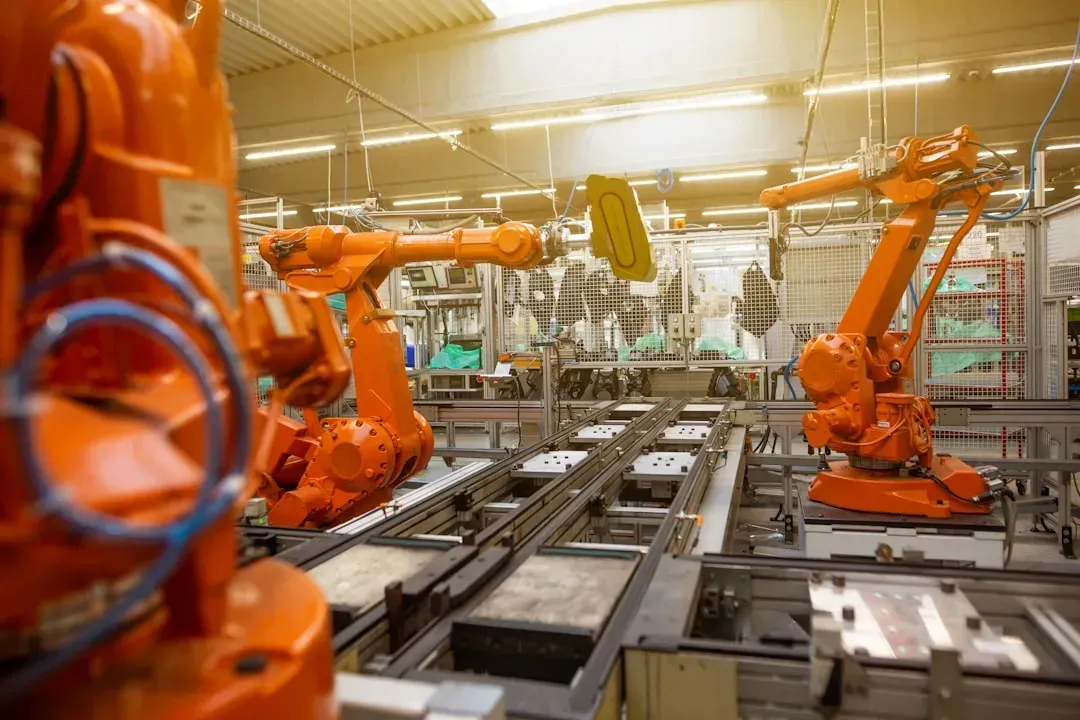
As AI proliferates, manufacturing is set for a disruption on the scale of the dawn of automation in the 1950s. The factory floor has always been a place of strict hierarchy. Foremen, production supervisors, and operations managers kept assembly lines running smoothly. 75% of advanced manufacturing companies say that adopting technologies such as artificial intelligence (AI) is their top engineering and R&D priority.
Machine learning systems now monitor production quality, predict equipment failures, and optimize workflow scheduling with accuracy that surpasses human oversight. Those solutions helped the machinery OEM reduce failures in the assembly process by as much as 70% while also cutting down efforts for quality checks by 50% for some lines.
Technology and Software Development
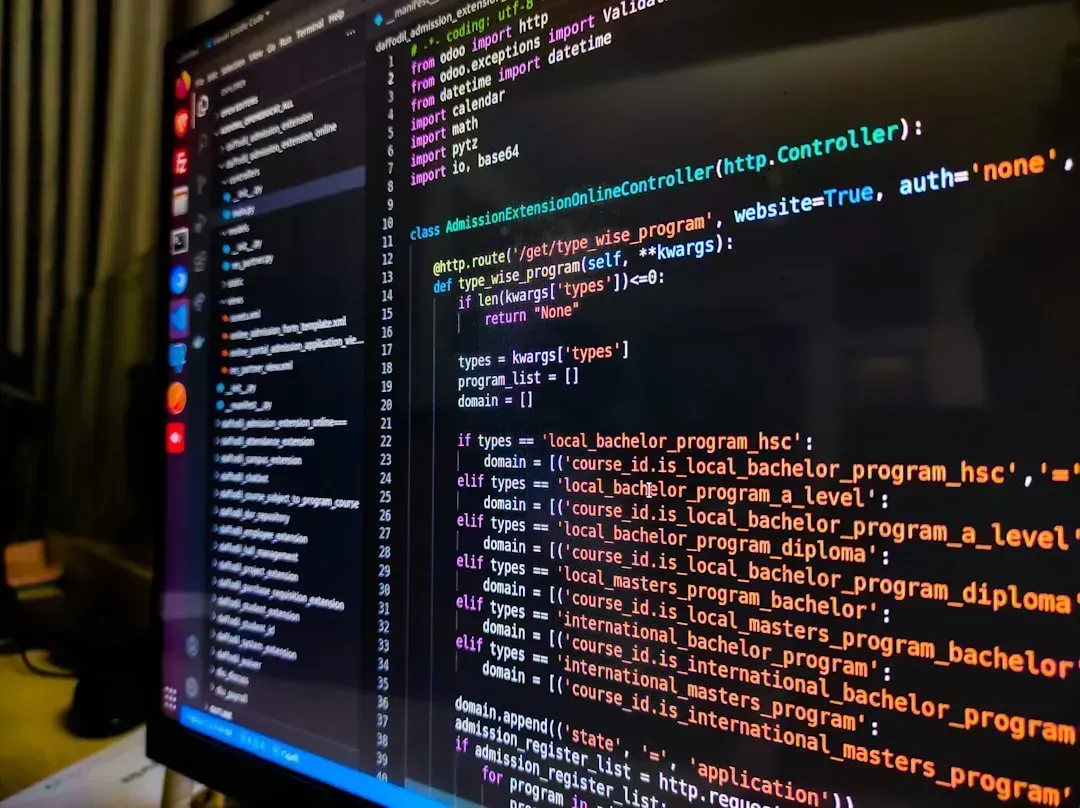
In the July issue of Harvard Business Review, Harvard professor Manuel Hoffmann and his team unveiled findings from a study of 50,032 developers conducted between 2022 and 2024. 4 million actions, the team found that Copilot users spent 5% more time coding and 10% less on project management. Engineering managers have historically played a critical role translating business needs into technical execution. They allocated resources, reviewed code, and removed blockers.
In 2025, tech companies have continued to downsize, laying off thousands and shifting strategies, all in favor of fewer employees and greater efficiency. This trend, driven by AI automation, not only reduces the number of jobs but also eliminates many high-value roles that traditionally allowed employees to expand their portfolios and take on greater responsibilities. Google is a prime example of this, getting rid of most of their middle managers in the past year.
Human Resources and Recruiting

HR departments have relied on mid-level managers to screen candidates, coordinate interviews, and track employee performance. That model is crumbling. AI-driven tools such as HireVue and Pymetrics assess job applicants through automated interviews and predictive analytics, streamlining the recruitment process and eliminating bias. Performance reviews that once required weeks of manager input are now generated by systems that analyze productivity data, communication patterns, and project outcomes in real time.
AI investments are associated with increased hiring of independent, deputized workers and decreased hiring of top and middle management positions, Brookings reported. Training programs, onboarding workflows, and even conflict resolution are being handed over to intelligent assistants that can respond instantly and consistently.
Sales and Marketing Operations

Bloomberg research reveals AI could replace 53% of market research analyst tasks and 67% of sales representative tasks, while managerial roles face only 9 to 21% automation risk. Wait, that sounds backwards, right? Actually, it reveals something fascinating: AI is hollowing out the tasks middle managers relied on to justify their positions.
The coordination, forecasting, and pipeline management that once required supervisors is now automated through CRM platforms enhanced with predictive analytics. Companies like 6sense and Salesloft launched AI agents this year to automate repetitive marketing tasks, such as crafting personalized emails and managing sales engagement workflows. Senior leadership can see dashboards tracking every metric in real time, bypassing the need for middle managers to compile reports or host status meetings.
Deloitte's 2025 Global Human Capital Trends report highlights that one in five organisations are already using AI to flatten their hierarchies. In practice, that could mean up to half of the existing middle management roles may vanish over time. The transformation isn't just about cutting costs. It's about speed, scalability, and precision. There are now nearly six individual contributors per manager at the 8,500 small businesses analyzed in a report by Gusto, which handles payroll for small and medium-sized employers.
Companies are betting that senior strategists paired with AI tools can outperform traditional hierarchies. Whether this leads to better outcomes or organizational chaos remains to be seen. The shift is happening regardless.

Post a Comment for "Careers at Risk: AI Replacing Mid-Level Management Roles"
Post a Comment