Books That Shaped Scientists' Careers
The Power of Stories in Shaping Future Scientists
When my children were born, I decided to build them a library. It’s no Alexandria. Just a few white bookcases packed with tattered books. But it contains a multiverse of possible futures for my kids. Each night, as we pull a book off the shelf, a new world appears on the horizon of their consciousness.
We’ve accompanied Little Crab (many, many times) as she takes her first tentative steps from the tide pool into the deep blue ocean. The Giving Tree gives herself again and again to a little boy and, later, to the old man who once played in her boughs. (We’re still debating if this is a sad or happy book.) We’ve roared our terrible roars and shown our terrible claws with the Wild Things.
All these delightful hours in an overstuffed chair, I suspect, will shape who my children become. My childhood books certainly transformed me. And so I got to wondering what books might inspire the next generation to care passionately about the natural world — perhaps even make a career out of it.
One of the great privileges of this column is the ability to pose such questions to people at the top of their fields. More than 100 scientists and conservationists responded when I asked what books inspired them and which might ignite the spark in others.
Here is what some of those scientists had to say about their favorite books from growing up. If you want to search all the suggestions, I’ve included a table at the end.
Picture Books and Early Readers
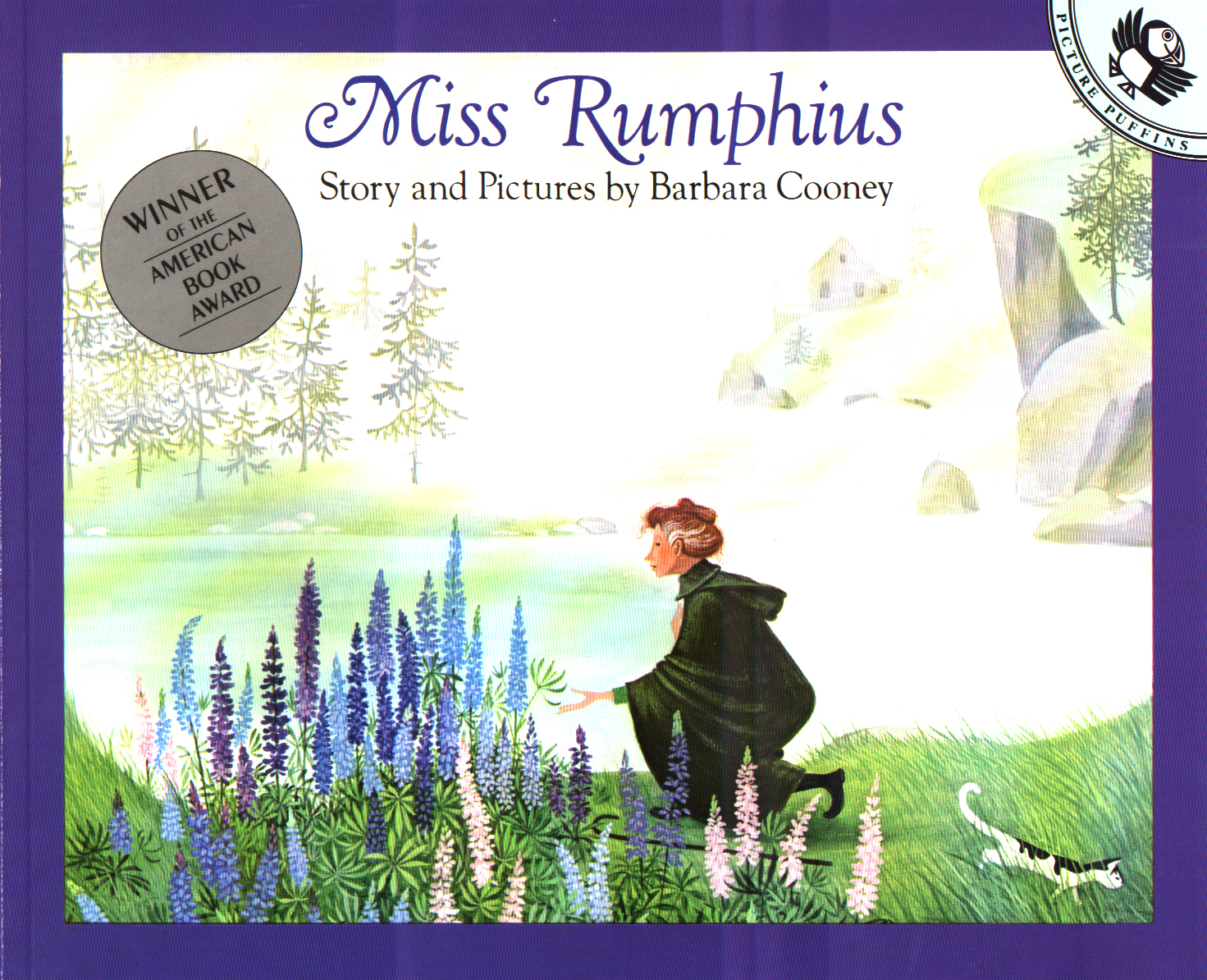
“Miss Rumphius” by Barbara Cooney
My favorite book as a child, and even now, is “Miss Rumphius” by Barbara Cooney. Though a bit dated, the book’s driving message is one that is timeless, beautiful, and not emphasized enough in our society today; namely, that we must do something to make the world more beautiful. Miss Rumphius is able to do this by planting lupine flowers all throughout her town. The idea that we can rebuild ecosystems and that this is a way to positively impact the world is one I try to practice in my work.
Alexandra Perkins, founder of Pediatricians for Climate Action
“Where Does the Butterfly Go When It Rains?” by May Garelick
I read “Where Does the Butterfly Go When It Rains?” by May Garelick when I was a child. I was about 4 or 5. It details a day in the life of a butterfly and has basic insect biology facts, accompanied by beautiful, simple illustrations. I remember it ended on what I considered to be a cliff hanger, leaving me wondering, “Where do they go when it rains?”! As an adult I remember seeing a butterfly, wings closed, tucked under a leaf in the rainforest of Guyana and I thought: “Aha! That’s where you go!”
Jessica Ware, division chair of invertebrate zoology at the American Museum of Natural History
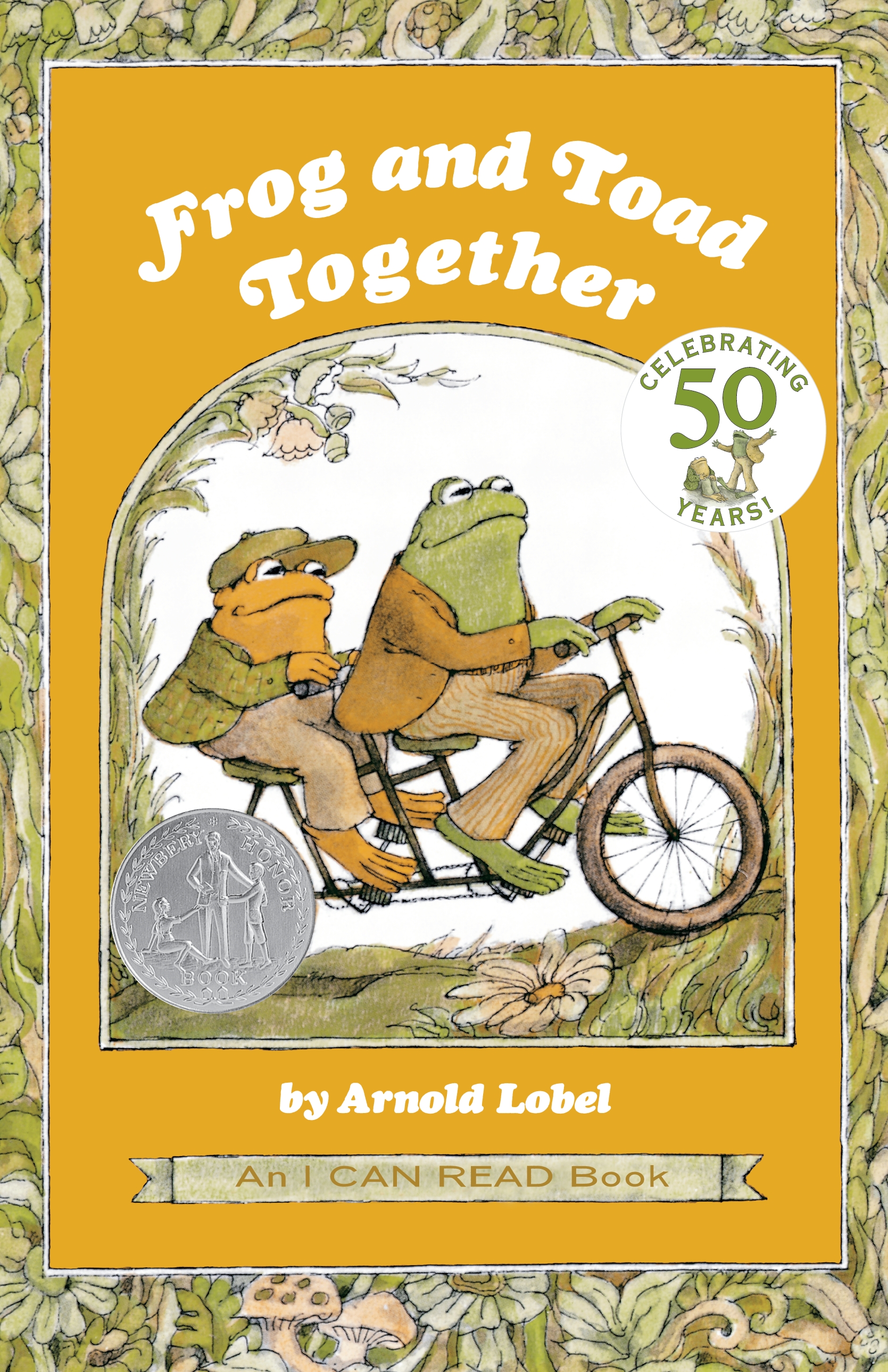
“Frog and Toad Together” by Arnold Lobel
There was one book that got me hooked on the process of doing science, even though I didn’t realize it at the time. The book was “Frog and Toad Together” by Arnold Lobel, specifically the story “A List.” In it, Toad writes a list to organize his day, beginning with “Wake up.” He then crosses it off — done! Toad felt calm and happy making the list, envisioning his day and marking off accomplishments. I took up this same routine, which has, over the years, helped me juggle classwork, navigate a PhD and tackle many research projects as a scientist. The more overwhelming the challenge, the more I write out lists. Even the smallest task offers the reward of completion. Inspired by Toad, most of my lists begin with the first task, “Make List.” Then I cross it off — done! — and get on with my day.
Tracey Holloway, professor of energy analysis and policy at the University of Wisconsin at Madison
Robert McCloskey’s books
I read all the books by Robert McCloskey, who is most famous for “Make Way for Ducklings.” However, it was his books about being out in nature on the coast that spoke to me (“Time of Wonder,” “One Morning in Maine” and “Burt Dow, Deep-Water Man”). They called for adventure and ingenuity, made it okay to come home covered in salt and mud, and showed the richness of the natural world around us.
Gretchen LeBuhn, professor of biology at San Francisco State University
National Audubon Society field guides
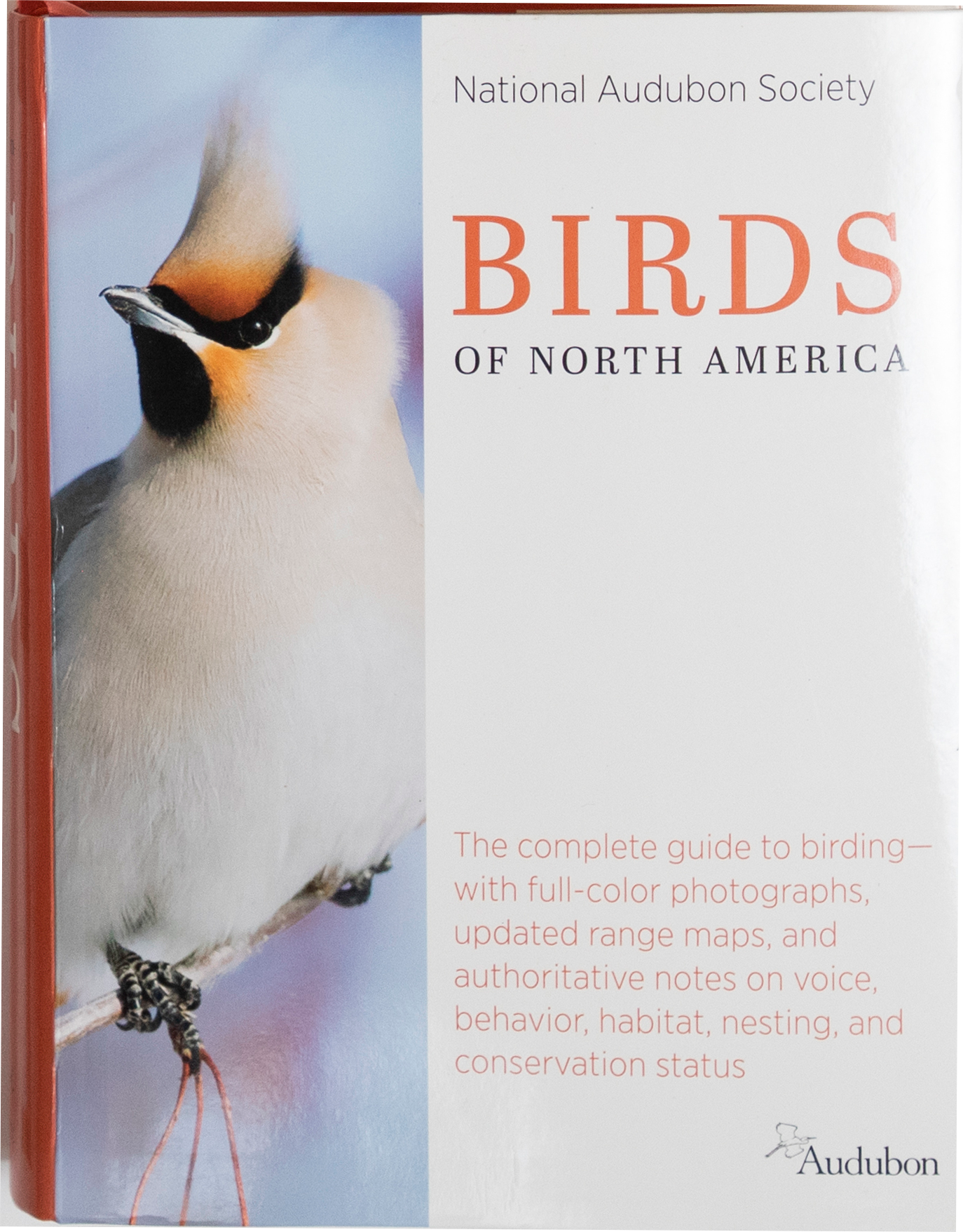
My younger sister and I (ages 5 and 7, perhaps) used to spend hours poring over an old National Audubon Society Field Guide to Seashore Creatures of North America. It had plates of arrays of colorful images of everything from sea stars to salps captured in the habitat where they lived in the ocean. One of our favorite pastimes would be to go page by page, and, after careful consideration, we would each pick out our favorite. … To this day I still feel the same sense of awe whenever I page through a field guide. What a spectacular way to take in biodiversity and the culmination of human understanding of our natural world!
Kira Treibergs, marine invertebrate zoologist at Wheaton College, Massachusetts
“Animalia” by Barbara Berger
When I was young, my parents read me “Animalia” by Barbara Berger. It is full of short tales about interactions between people and animals, with some of the most beautiful illustrations I have seen. It inspired me to get to know the animals living in the forest and the river at our home. Now, I read it to my children, hoping it will inspire them, too.
Forest Isbell, ecology professor at the University of Minnesota
Elementary and Middle School
“My Side of the Mountain” by Jean Craighead George
I grew up in a small town in Utah, and I loved the local library. As a child, I found an amazing book called “My Side of the Mountain” by Jean George, about a young boy who tries to survive on his own in the Catskill Mountains of New York state. He teaches himself how to survive through trial and error, and learns a tremendous amount about the world around him. From that moment on, my answer to the question “What do you want to do when your grow up?” became, “I want to find a way to get paid to go camping and figure stuff out.” When I attained tenure at Cornell, my mom called me and said, “Well, I guess you were serious.”
Jed Sparks, ecology and evolutionary biology professor at Cornell University
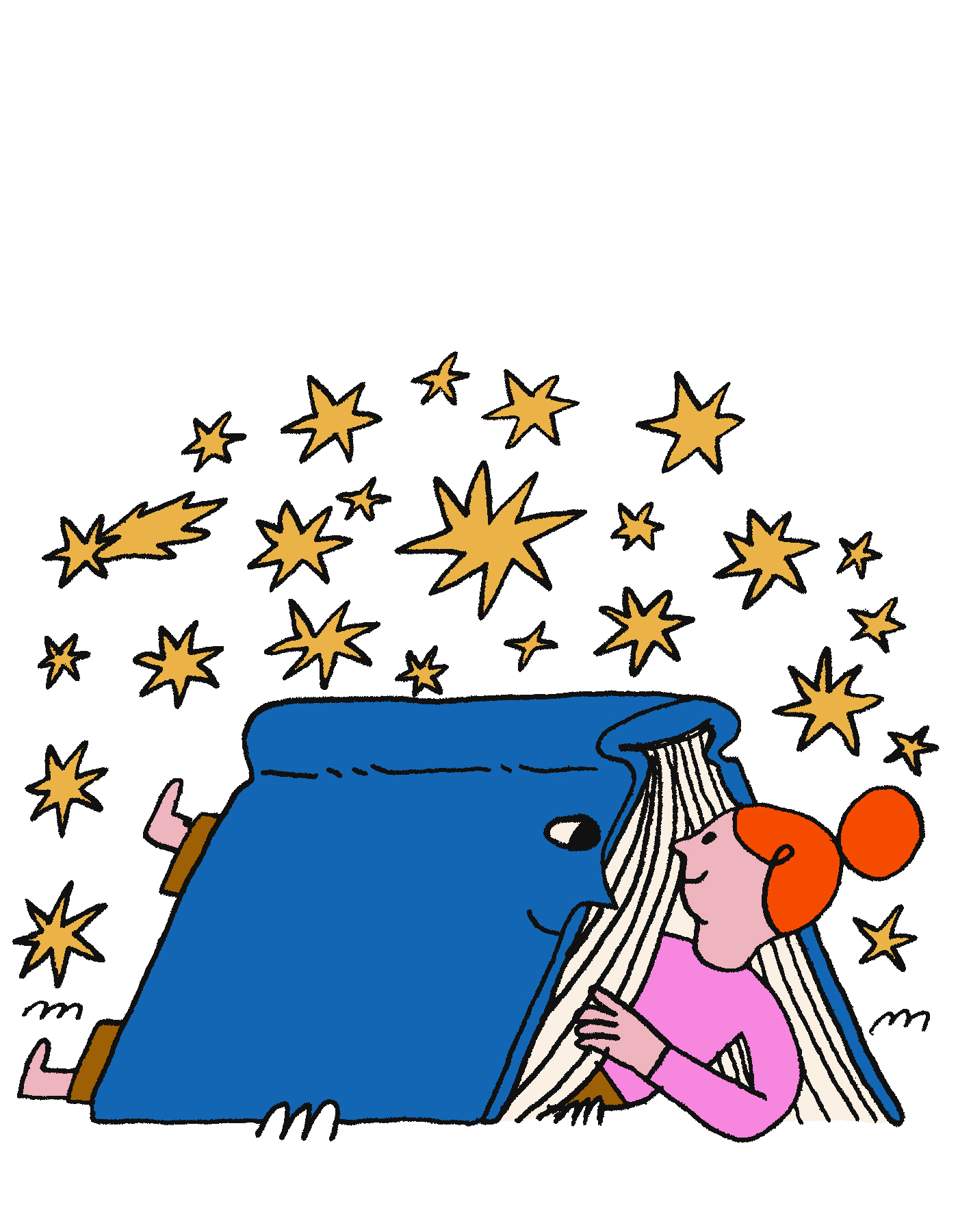
“Paddy the Beaver” by Thornton Burgess
Every summer I spent a week with my grandparents, and on rainy days I loved exploring their basement. My grandmother had shelves of old books, and one summer I found her original copies of the Old Mother West Wind series by Thornton Burgess. The book that I remember the most is “Paddy the Beaver”; it helped me begin to understand some of the fascinating, complicated relationships between animals. Paddy is initially annoyed by Sammy Jay and his loud squawk, but ultimately Paddy learns that he and Sammy Jay can cooperate to alert each other when predators are nearby. I remember my grandma confirming after I finished the book that when beavers slapped their tails, many other species also heeded the warning. And thus an interest in ecology was born.
Jennifer Hopwood, senior pollinator conservation specialist at the Xerces Society for Invertebrate Conservation
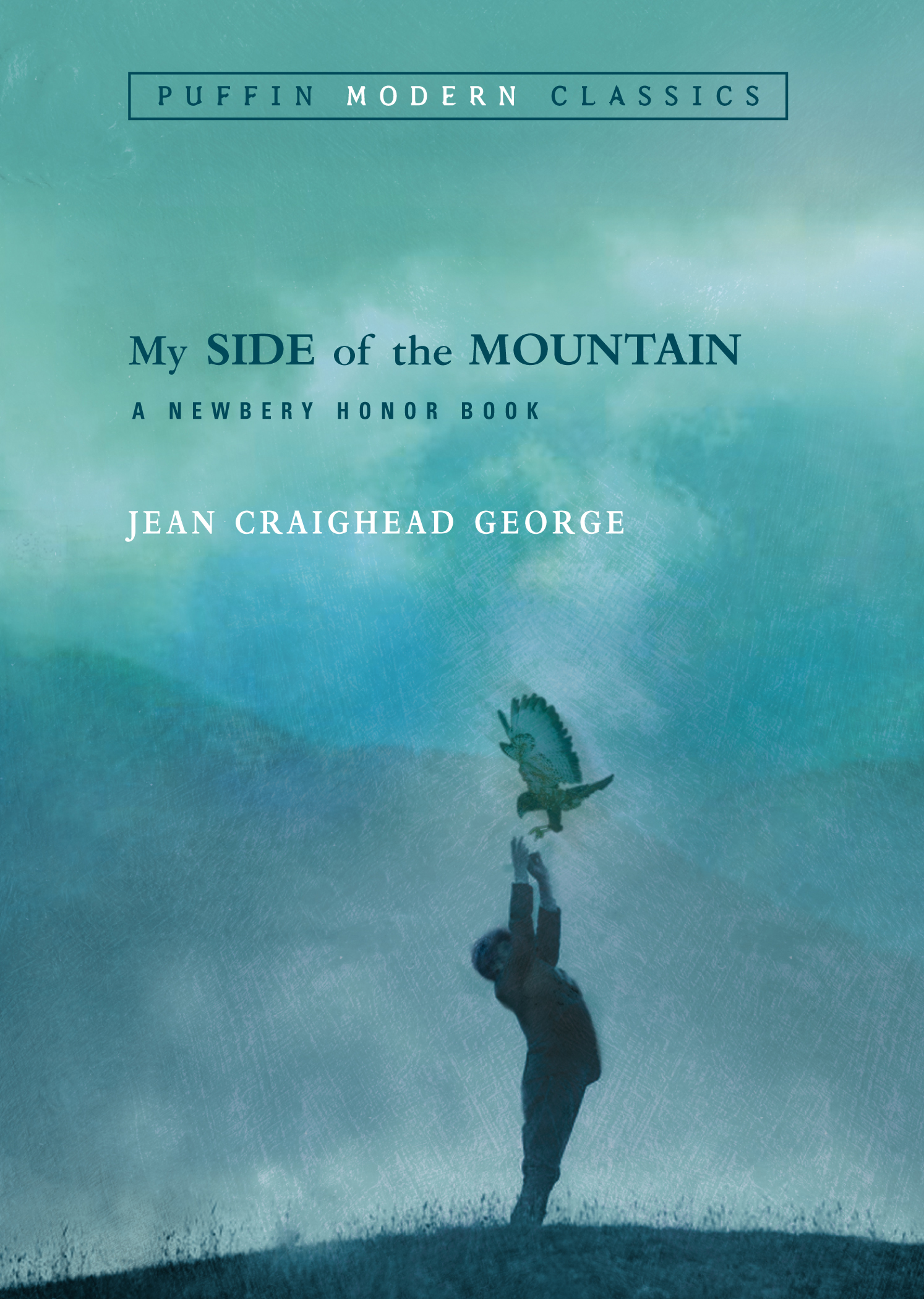
“Chirping Insects” by Sylvia A. Johnson
As a kid, I was terrified of insects. I would’ve killed them all if I could. It was such a debilitating fear that my parents felt the need to intervene. They got me a library card as a 7-year-old and parked me in the entomology section for the summer. I read pretty much every insect-themed book in the children’s section and was quickly ready to start tackling the books that weren’t for kids. One of the books I can most vividly remember reading was simply called “Chirping Insects,” but it was one that made an impact by stripping away this unhelpful theme in my mind that insects did things with the motive to cause mayhem and annoyance.
Sammy Ramsey, entomology professor at the University of Colorado at Boulder
“A Wrinkle in Time” by Madeleine L’Engle
One book that really had a strong impact on me was “A Wrinkle in Time” by Madeleine L’Engle. In my lifetime, I have read and reread this book at least five times. It introduced me to the concepts of time travel, interdimensional realities, novel and wildly different organisms, and magic as a concept of science. I have always loved the natural world, but this book opened up new ideas for me and was the beginning of my own journey into the magical world of science.
Crystal Rogers, associate professor of anatomy, physiology and cell biology at the University of California Davis School of Veterinary Medicine
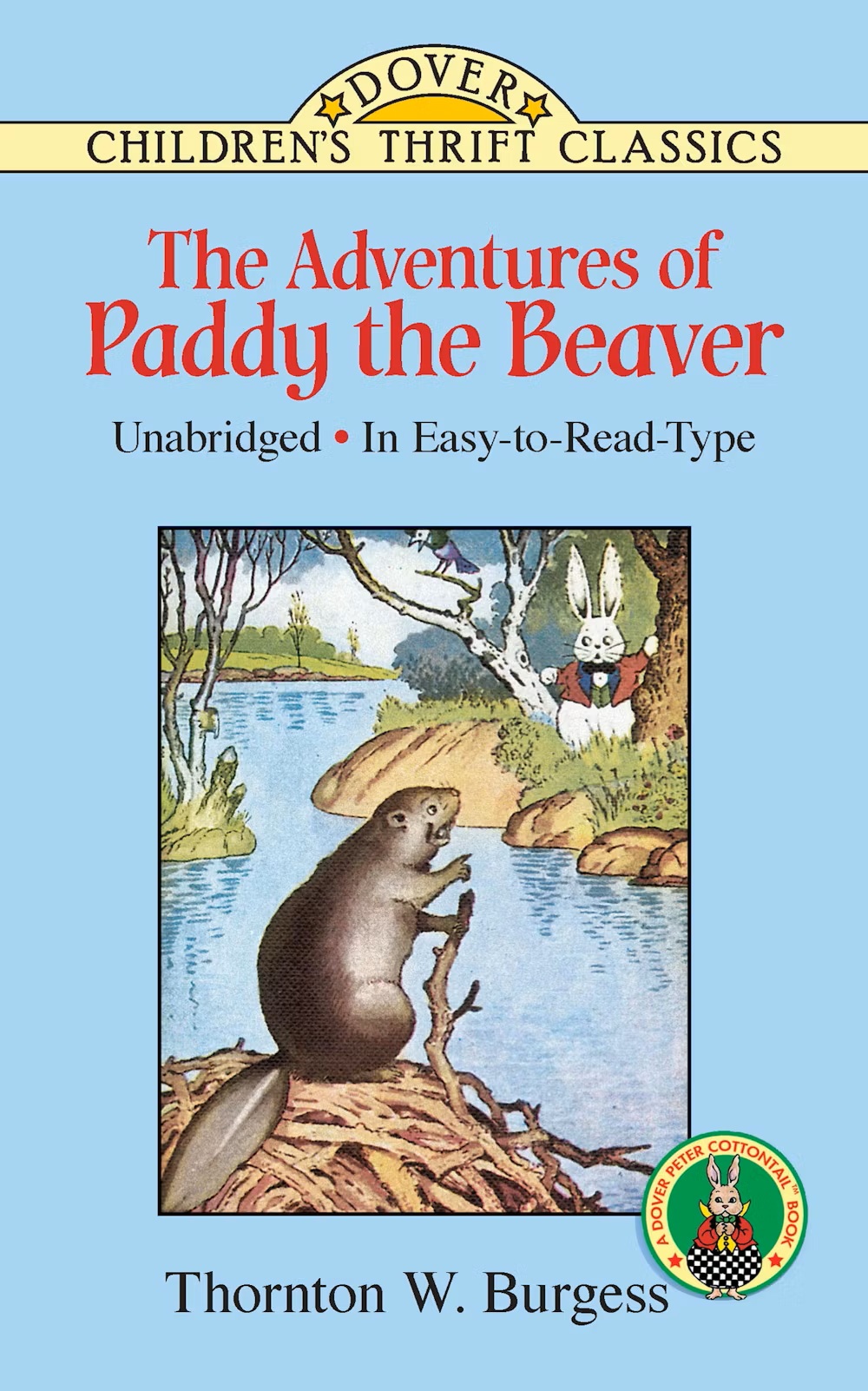
“Hatchet” by Gary Paulsen
As a kid, I loved “Hatchet” by Gary Paulsen. The story of a young boy surviving in the remote wilderness of Canada after a plane crash was enthralling. The book is such a gem because it not only tells a captivating wilderness survival story, but it captures the beauty and wildness of the natural world and the boreal forest. Despite the simple story, the book wrestles with large questions and themes about our place in the natural world, and how we think and feel about our relationship to it. The section that really sticks with me is when Brian, the main character, runs into a wolf. At first, he is afraid of this predator because it could easily kill him. And he recognizes his own vulnerability in that moment, but yet he sees past it to understand that the wolf was part and parcel of the natural world and the beauty therein. And the fear of this predator is replaced by a sense of understanding, respect and appreciation for the wolf.
Thomas Gable, field biologist and project lead at Voyageurs Wolf Project
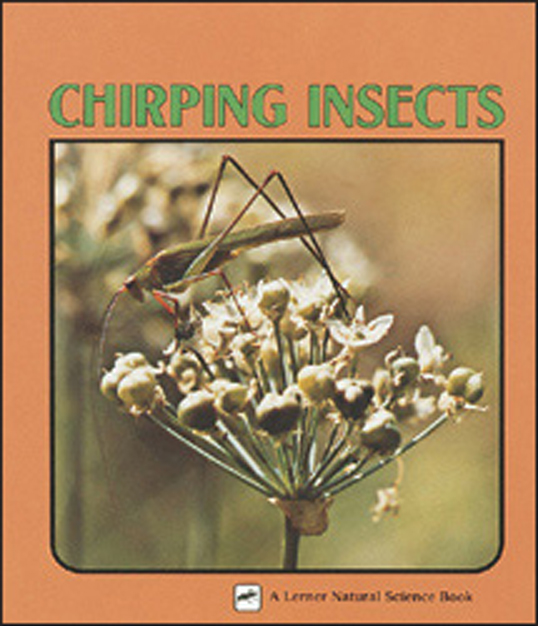
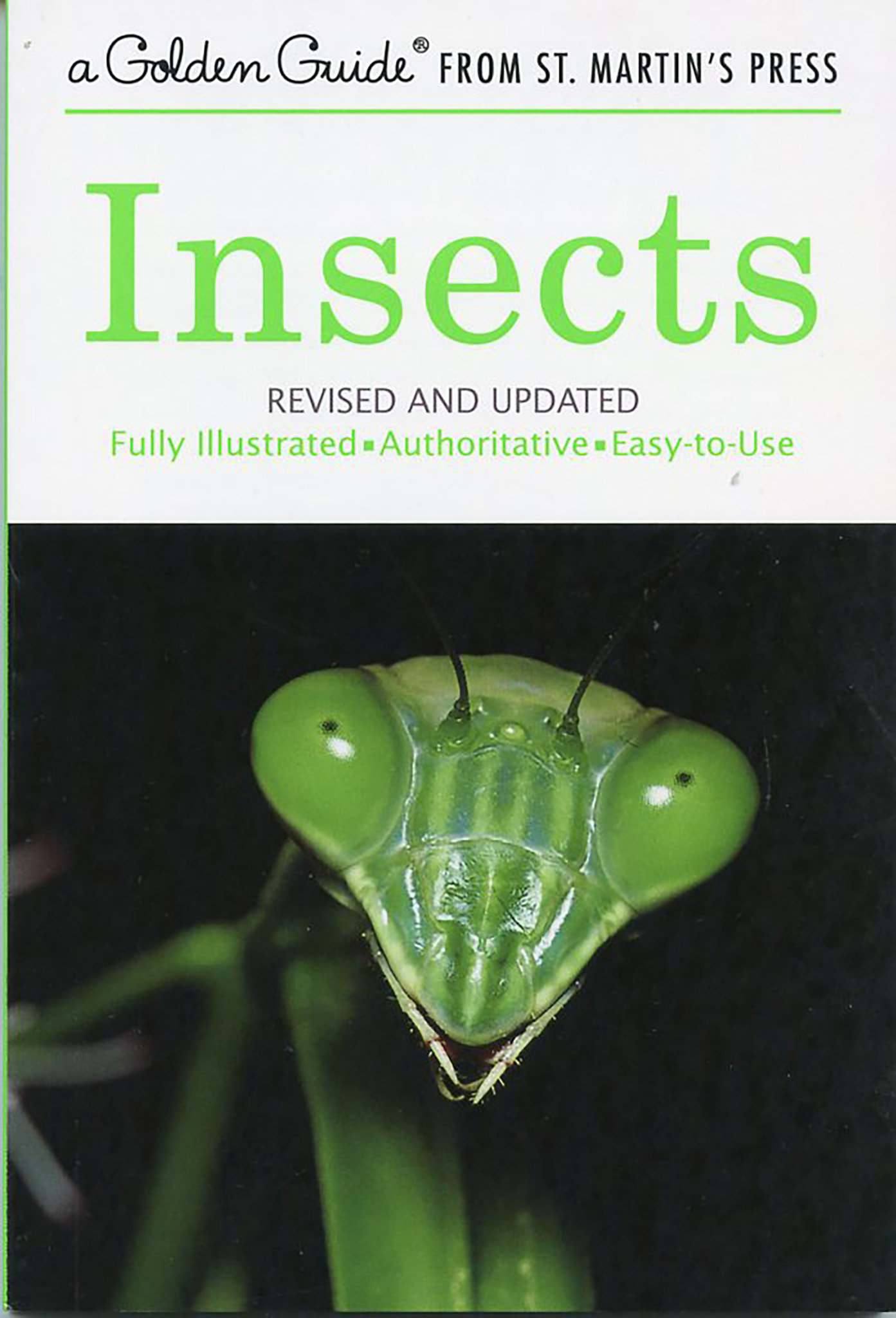
Golden Guides’ introductory field guides
My parents didn’t have a lot of money when we were young, but encouraged us to read and supported (at times, the right word may have been tolerated) my interest in all kinds of wild creatures. They bought me a handful of Golden Nature Guides — one on “Reptiles and Amphibians,” one on “Fishes” and one on “Insects.” I’d read them like a novel in bed at night, and carry at least one of them in my pocket during the day when I was out at the creek fishing or catching snakes or butterflies. I saw those little books at my parents’ house not so long ago. They were barely recognizable from overuse. The book spines were broken, page corners all dog-eared, parts of pages torn or missing, and pretty much entirely water-stained from being frequently submerged with me in ponds and creeks. I burst into a grin thinking about how important those books were to me when I was a feral child still in elementary school.
Joe Gaydos, marine wildlife veterinarian at the SeaDoc Society
Teens and Adults
“The Old Man and the Boy” by Robert Ruark
Ruark’s novel combines both of his grandfathers into one enigmatic “old man” who raises a young Robert Ruark to hunt and fish on the coast of North Carolina. Through lessons about raising dogs, casting nets or cleaning fish, Ruark talks about the responsibility associated with being a true servitor of the natural environment. Ruark’s novel reflected my own experiences — and I relished the way he described how hunters and fisherman feel a deep emotional connection to nature. Beyond that, I felt the book described the difference between a childish love for nature and a mature appreciation for the wild world. Those stories evoked a vision of men and young boys with a deep vocational call to protect and conserve the wilderness that resonated with me then and continues to live with me today.
Daniel Petticord, postdoctoral associate at Cary Institute of Ecosystem Studies.
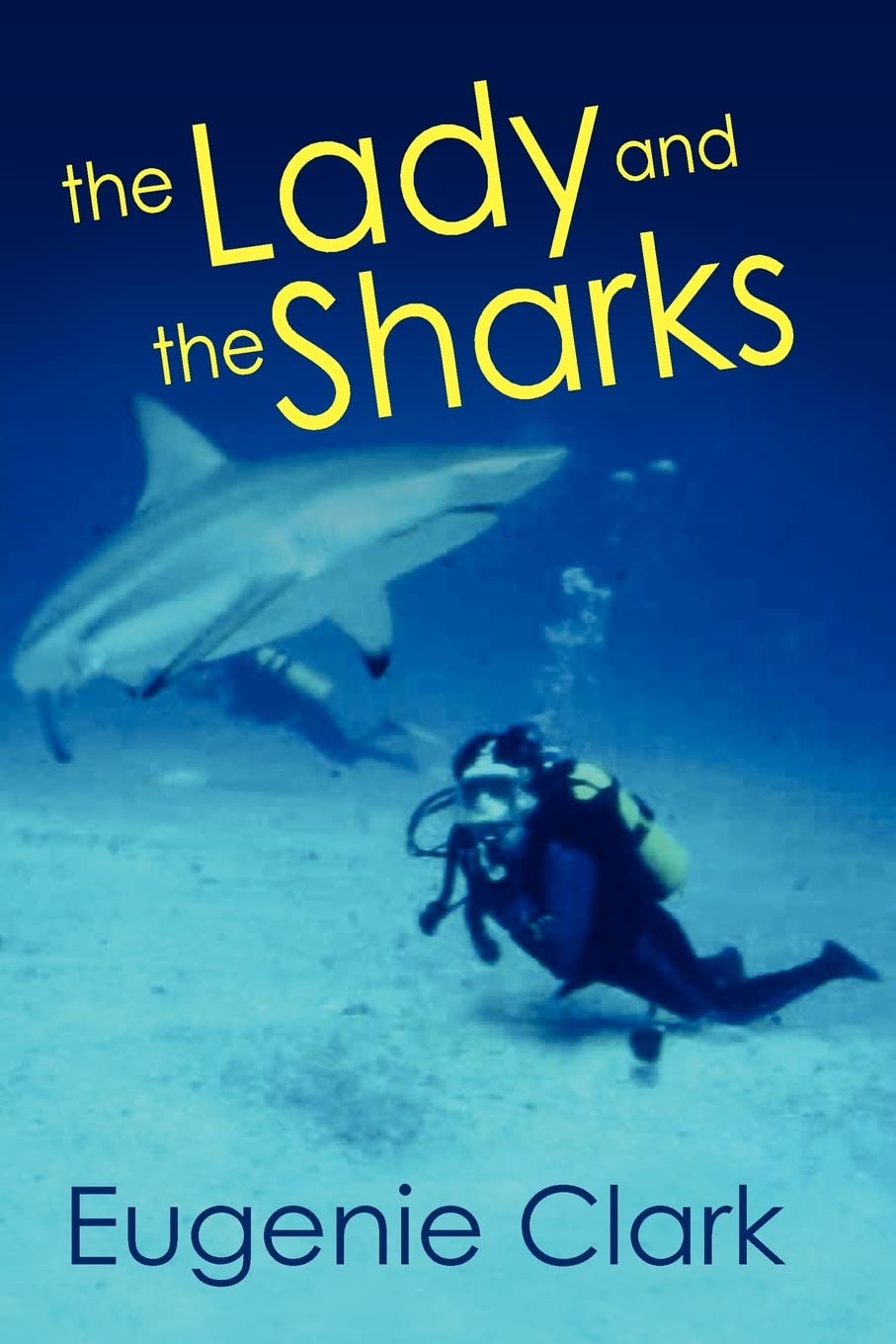
“The Lady and the Sharks” by Eugenie Clark
Like many marine scientists of my generation, Eugenie Clark’s “The Lady and the Sharks” played a big role in shaping my professional goals. I already loved sharks as a kid. I feel like most kids go through a shark thing or a dinosaur thing at some point — but Clark’s book showed me that one could study sharks as a job, as a career. They say never to meet your heroes, but I met Genie Clark, then 91 years old, when we attended the same conference. I gushed and told her how much her book had meant to me. She must have met 200 new people at that meeting, but I was shocked upon my return home to find a signed personalized copy of her book waiting in my mailbox. It’s one of my most prized possessions.
David Shiffman, marine conservation biologist at Arizona State University
“The Amateur Naturalist” by Gerald Durrell
What got you interested in insects? As a kid I stumbled upon an extraordinary book: “The Amateur Naturalist,” by Gerald Durrell. The book reflected back to me the kinds of odd ditch plants and fungi and little creatures that I was familiar with, but it also pried a bit deeper into the mysterious lives of these small things.
Eric Lee-Mäder, pollinator conservation program co-director at the Xerces Society for Invertebrate Conservation
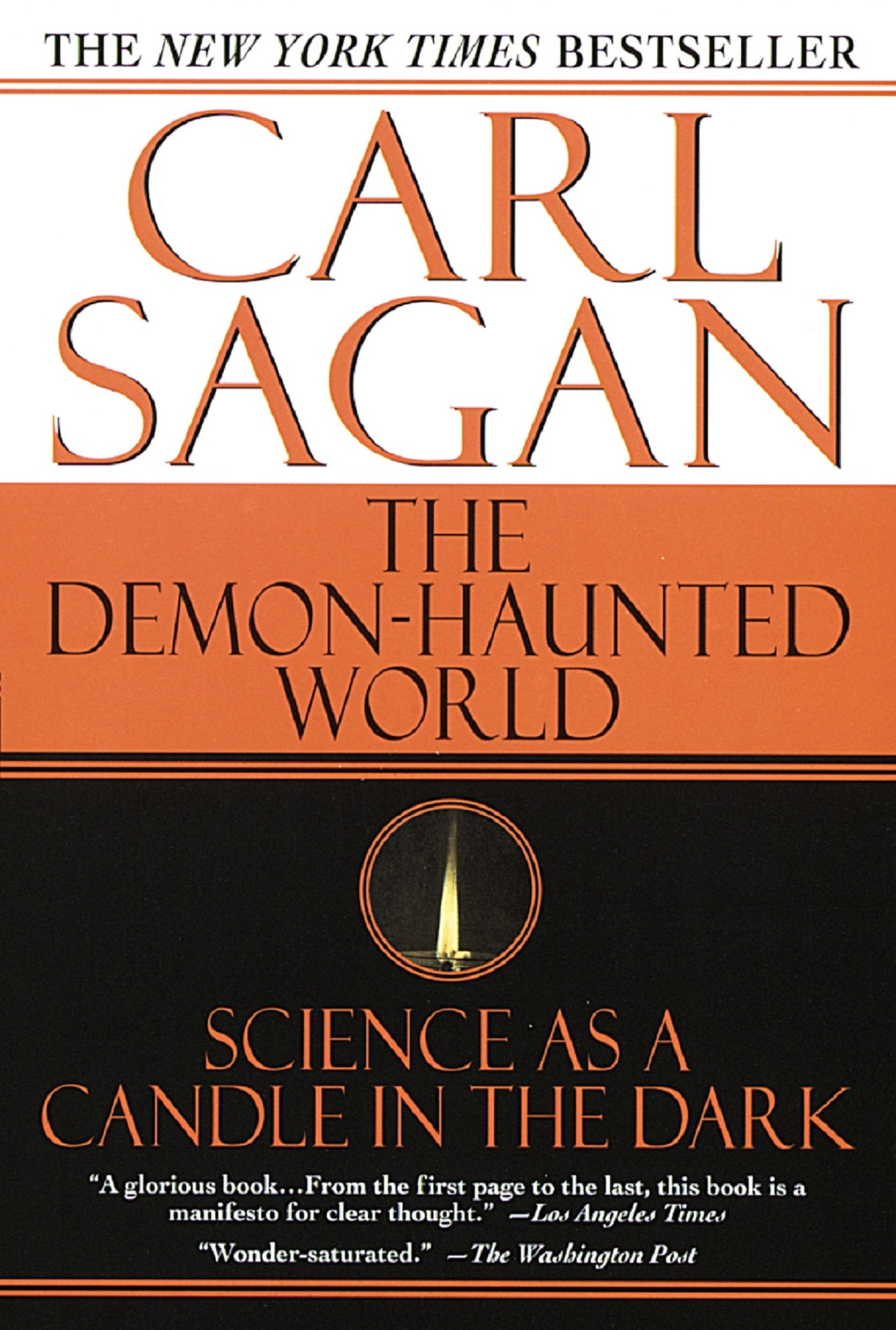
“The Demon-Haunted World: Science as a Candle in the Dark” by Carl Sagan
I had been a kid fascinated and occasionally terrified of the occult, aliens, ghosts, metaphysics, etc. Then Sagan perfectly explained how the world works with logic and science. All of those mysteries can be tested and explained. The core tenets of scientific skepticism opened my mind to exploring the natural world.
Chris Grinter, entomologist and senior collection manager at the California Academy of Sciences
“What Stumped the Blue Jays” by Mark Twain
In the summer of my seventh year, my mother and I were temporary caretakers of a privately owned ghost town in the Arizona Huachuca Mountains, near the U.S.-Mexico border. We spent the days exploring dried creek beds and curating a collection of old buildings and Western artifacts from what was once a mining town. We spent the evenings reading short stories borrowed from the nearest library. The story that most reminds me of this amazing experience is “What Stumped the Blue Jays” by Mark Twain. I always looked for jays talking to each other after reading that story … and can’t help but watch jays whenever I spot them now.
Orianna Bretschger, materials scientist and CEO of wastewater treatment firm Aquacycl

Post a Comment for "Books That Shaped Scientists' Careers"
Post a Comment