Beginner’s Guide to Email List Segmentation
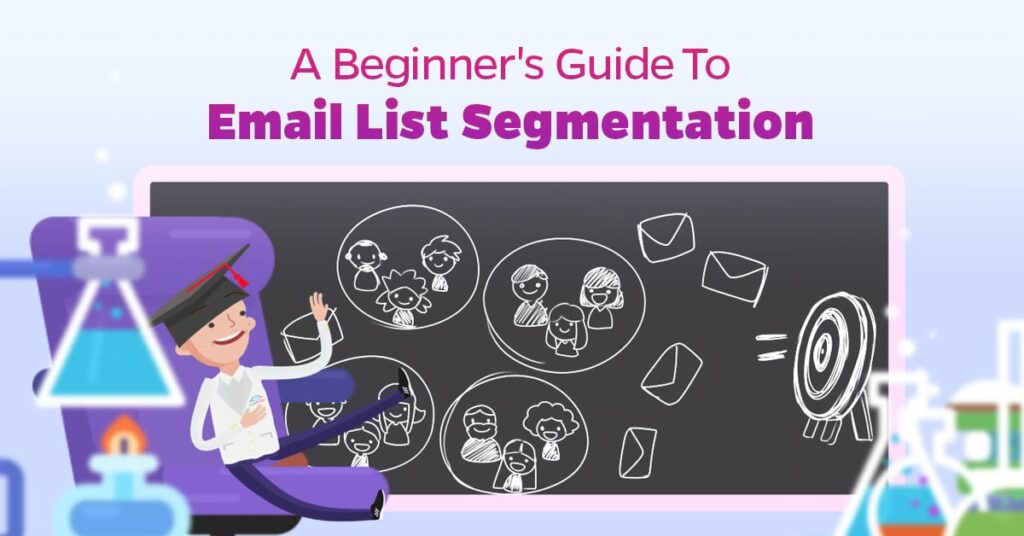
Unlock the Power of Targeted Emails: A Beginner's Guide to Email List Segmentation
Hey friends! Ever feel like you're shouting into a void when sending out emails? Like you're throwing a pizza party and only inviting your grandma, your super-fit gym buddy, and your cat? Chances are, you're not alone! We've all been there. You craft this amazing email, pour your heart and soul into it, hit send... and crickets. The open rates are abysmal, click-throughs are non-existent, and unsubscribe rates are soaring higher than Elon Musk's rockets.
But what if I told you there's a way to make your emails feel less like a desperate plea for attention and more like a personalized message from a friend whoactuallygets you? That's where email list segmentation comes in. It's the secret sauce, the hidden weapon, the… well, you get the idea. It’s important!
Think of it this way: imagine you own a bookstore. Would you recommend a sci-fi novel to someone browsing the romance section? Probably not. You'd tailor your recommendation to their interests, right? Email list segmentation does the same thing, but on a larger scale. It's about dividing your email list into smaller, more targeted groups based on shared characteristics and sending them content that resonates with their specific needs and desires.
Now, I know what you might be thinking: "Segmentation? Sounds complicated! I'm just trying to get people to read my emails, not become a data scientist!" And that's perfectly valid! The good news is, email list segmentation doesn't have to be a daunting task. In fact, with the right approach, it can be surprisingly simple and incredibly effective.
Without segmentation, you're basically sending the same message to everyone, regardless of their interests, purchase history, or level of engagement. It's like using a megaphone to whisper sweet nothings – the message gets lost in the noise, and people tune out. You risk annoying your subscribers, damaging your sender reputation, and ultimately, missing out on valuable opportunities to connect with your audience and drive conversions.
But with segmentation, you can create highly targeted campaigns that speak directly to the needs and interests of each group. Imagine sending a special discount on running shoes to customers who recently purchased workout gear, or sharing a blog post about gardening tips with subscribers who signed up for your gardening newsletter. Suddenly, your emails become more relevant, more engaging, and more likely to generate positive results.
And the benefits don't stop there! Segmentation can also help you improve your email deliverability, reduce your unsubscribe rates, and increase your overall ROI. It's a win-win situation for everyone involved!
So, are you ready to ditch the "one-size-fits-all" approach and unlock the power of targeted emails? Keep reading, because in this guide, we're going to break down the basics of email list segmentation and show you how to get started. We'll explore different segmentation strategies, discuss the tools and technologies you need, and provide you with real-world examples to inspire your own campaigns. By the end of this guide, you'll be well on your way to crafting emails that your subscribers will actuallywantto read. Let's get started!
Unlocking the Power of Targeted Emails: A Beginner's Guide to Segmentation
Email list segmentation is more than just a fancy marketing buzzword; it's a fundamental strategy for building stronger relationships with your audience and driving meaningful results. Let's dive deeper into why it matters and how you can effectively implement it.
Why Segment Your Email List?
Think of your email list as a diverse community. Within that community, you have people with varying interests, needs, and behaviors. Sending the same message to everyone is like trying to cater to a potluck with only one dish – someone is bound to be disappointed! Segmentation allows you to tailor your messaging, making it more relevant and engaging for each individual.
•Increased Relevance, Improved Engagement:When your emails speak directly to your subscribers' interests, they're more likely to open, click, and engage with your content. It’s simple human nature: we pay attention to things that matter to us.
•Higher Conversion Rates:Targeted messaging leads to higher conversion rates. By understanding your audience's specific needs, you can craft compelling offers and calls to action that resonate with them. For example, if you know a subscriber is interested in vegan recipes, promoting your new vegan cookbook is far more effective than promoting a general cooking guide.
•Reduced Unsubscribe Rates:Nobody likes receiving irrelevant emails. By segmenting your list, you can reduce the chances of annoying your subscribers and driving them to unsubscribe. It’s a sign of respect for their time and inbox.
•Improved Deliverability:Email providers like Gmail and Yahoo are constantly evaluating the quality of your emails. Sending relevant messages to engaged subscribers improves your sender reputation, which can lead to better deliverability rates and less emails ending up in the spam folder. Think of it as earning brownie points with the email gods!
•Personalized Customer Journeys:Segmentation allows you to create personalized customer journeys, guiding subscribers through your sales funnel with targeted content and offers. You can nurture leads, onboard new customers, and re-engage inactive subscribers with tailored messaging that addresses their specific needs and pain points.
Key Segmentation Strategies You Can Use Today
Now that we understand the importance of segmentation, let's explore some practical strategies you can use to divide your email list into more targeted groups.
•Demographic Segmentation:This is a foundational approach that involves segmenting your list based on basic demographic information such as age, gender, location, income, education, and job title. For example, you might target a campaign promoting retirement planning services to subscribers over the age of 55, or send a localized promotion to subscribers in a specific city.
•Behavioral Segmentation:This strategy focuses on how subscribers interact with your emails and website. You can segment based on factors such as:
•Email Engagement:Segmenting based on open rates, click-through rates, and email frequency. You might create a segment of "highly engaged" subscribers who consistently open and click your emails, or a segment of "inactive" subscribers who haven't opened an email in the past few months.
•Website Activity:Tracking which pages subscribers visit on your website and what actions they take (e.g., downloading a resource, signing up for a webinar, adding items to their cart).
•Purchase History:Segmenting based on past purchases, purchase frequency, and average order value. This is incredibly powerful for cross-selling, upselling, and rewarding loyal customers.
•Lead Magnet Downloads:If you offer lead magnets (e.g., e-books, checklists, templates) in exchange for email sign-ups, you can segment based on which lead magnet a subscriber downloaded. This tells you a lot about their interests and pain points.
•Psychographic Segmentation:This dives deeper into your subscribers' values, interests, lifestyles, and attitudes. This type of data is often gathered through surveys, polls, and social media monitoring.
• For instance, you might segment based on interests like "sustainable living," "fitness," or "travel," or based on values like "environmentalism" or "social justice."
• Example: A company selling outdoor gear might segment their list based on activities like "hiking," "camping," "rock climbing," and kayaking.•Segmentation Based on Customer Journey Stage:Segment your audience based on where they are in their journey with your brand. Are they new subscribers, active customers, or inactive leads? Tailor your messages accordingly.
• New subscribers might receive a welcome series introducing them to your brand and its core offerings.
• Active customers might receive personalized product recommendations and loyalty rewards.
• Inactive leads might receive re-engagement campaigns designed to win them back.
How to Implement Email List Segmentation: A Practical Guide
Okay, enough theory! Let's get down to the nitty-gritty of implementing email list segmentation.
•Choose the Right Email Marketing Platform:Not all email marketing platforms are created equal. Make sure the platform you choose offers robust segmentation capabilities. Popular options include Mailchimp, Klaviyo, Active Campaign, and Convert Kit. Research the features and pricing of each platform to find the best fit for your needs and budget.
•Collect Data Strategically:The foundation of successful segmentation is accurate data. Start by reviewing your existing data collection methods. Are you capturing enough information about your subscribers? Consider adding fields to your sign-up forms to collect data such as location, industry, or interests.
• You can also use surveys and polls to gather psychographic data and preferences.
• Website tracking tools like Google Analytics can provide valuable insights into your subscribers' browsing behavior.
• Be transparent about how you're collecting and using data, and always comply with data privacy regulations like GDPR and CCPA.
•Define Your Segments:Based on your business goals and the data you have available, define the segments that are most relevant to your strategy. Start with a few key segments and gradually expand as you collect more data and refine your approach.
• Document your segmentation criteria and keep it up-to-date as your business evolves.
•Create Targeted Content:Now for the fun part! Craft compelling email campaigns that speak directly to the needs and interests of each segment.
• Use personalized subject lines and greetings to grab your subscribers' attention.
• Feature content and offers that are relevant to their specific interests and behaviors.
• Use dynamic content to personalize the email body based on subscriber data. For example, you could display different product recommendations based on a subscriber's past purchases.
•Test, Analyze, and Optimize:Email list segmentation is not a "set it and forget it" strategy. Continuously monitor your results, analyze your data, and optimize your segments and campaigns to improve performance.
• A/B test different subject lines, content, and calls to action to see what resonates best with each segment.
• Track your open rates, click-through rates, conversion rates, and unsubscribe rates to measure the effectiveness of your segmentation strategy.
• Use the insights you gain to refine your segments and improve your messaging.
Real-World Examples of Email List Segmentation in Action
To give you some inspiration, here are a few real-world examples of how businesses are using email list segmentation to drive results:
•E-commerce:An online clothing retailer segments its list based on gender, purchase history, and browsing behavior. They send personalized product recommendations to each segment, promoting items that are likely to appeal to their individual tastes. They also send exclusive discounts to loyal customers and re-engagement campaigns to inactive subscribers.
•Software as a Service (Saa S):A Saa S company segments its list based on customer journey stage, product usage, and industry. They send onboarding emails to new users, promote advanced features to power users, and share case studies relevant to specific industries.
•Nonprofit Organization:A nonprofit organization segments its list based on donation history, volunteer activity, and interests. They send targeted fundraising appeals to donors who have previously supported similar causes, recruit volunteers for upcoming events, and share stories about the impact of their work.
•Local Restaurant:A local restaurant segments its list based on demographics (location) and stated preference (via signup form). They send weekly specials and happy hour deals to subscribers near the restaurant and send coupons for vegetarian options to those who indicated that was their dietary preference.
FAQ: Your Email List Segmentation Questions Answered
Let's tackle some common questions you might have about email list segmentation.
•Q:How many segments should I have?
• A: There's no magic number, friends. Start with a few key segments that align with your business goals and gradually expand as you collect more data and refine your approach. It's better to have a few well-defined segments than a bunch of poorly defined ones. Quality over quantity!
•Q:What if I don't have enough data to segment my list?
• A: Don't worry! Start by focusing on collecting more data through your sign-up forms, surveys, and website tracking tools. In the meantime, you can still use basic segmentation based on demographics and email engagement. Remember, it's a journey, not a destination.
•Q:How often should I review and update my segments?
• A: Regularly! Your audience's interests and behaviors are constantly evolving, so it's important to review and update your segments at least every quarter. Keep your data fresh and your segments relevant.
•Q:Is email list segmentation GDPR compliant?
• A: Absolutely! As long as you're transparent about how you're collecting and using data, and you obtain explicit consent from your subscribers, you can segment your list in a GDPR-compliant manner. Always prioritize data privacy and ethical marketing practices.
Wrapping Up: Your Journey to Email Segmentation Mastery Starts Now
Alright friends, we've covered a lot of ground in this beginner's guide to email list segmentation. Remember, the key takeaway is this: stop treating your entire email list as a homogenous blob and start segmenting it into smaller, more targeted groups. By tailoring your messaging to the specific needs and interests of each segment, you can increase engagement, improve deliverability, and drive meaningful results for your business. It’s about making your subscribers feel seen, heard, and valued.
Now, it's time to take action! Start by choosing the right email marketing platform, collecting data strategically, defining your segments, creating targeted content, and testing, analyzing, and optimizing your campaigns. Remember, it's a journey, not a destination. Don't be afraid to experiment, learn from your mistakes, and continuously refine your approach.
So, what’s your next step? I challenge you to identify at least one segment you can create today and craft a personalized email campaign for that group. It could be a simple welcome email for new subscribers, a special offer for loyal customers, or a re-engagement campaign for inactive leads. Just take that first step, and you'll be well on your way to email segmentation mastery.
Go forth and segment! You've got this! And remember, your emails have the power to connect, inspire, and drive action when they're targeted and relevant. What creative ways are you planning to segment your list this week?

Post a Comment for "Beginner’s Guide to Email List Segmentation"
Post a Comment