Barabak: Trump's Disparagement of Reiner Reveals a Divisive Presidency
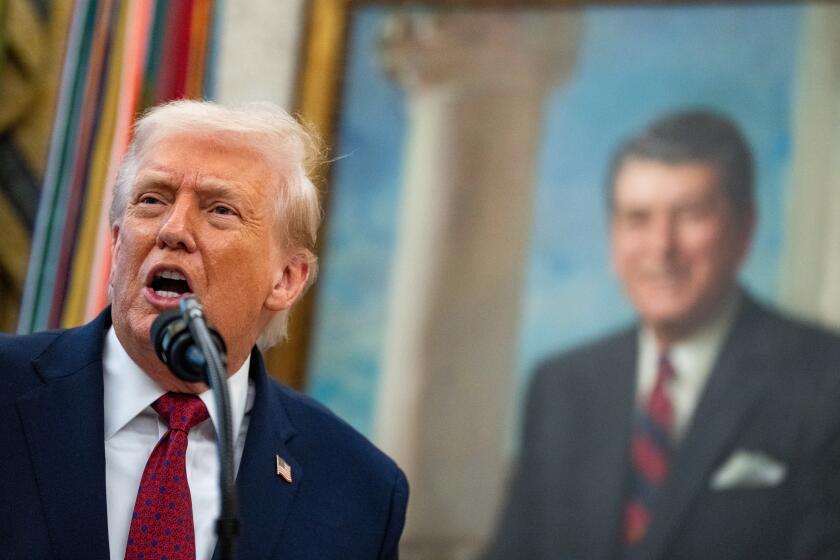
The Tragic Passing of Rob Reiner and the Political Fallout
The news of Rob Reiner’s passing sent shockwaves through the United States, prompting a wave of tributes from both the entertainment industry and the political sphere. As an actor, director, and liberal activist, Reiner had long been a prominent figure in American culture, and his death brought forth a familiar pattern of mourning and remembrance.
However, the response from President Donald Trump was anything but typical. Known for his tendency to comment on every event, Trump made a particularly insensitive remark about Reiner's death, suggesting it was the result of "Trump Derangement Syndrome." This statement not only demonstrated a lack of empathy but also highlighted the president's penchant for using his platform to attack those who disagree with him.
A President Divided by Ideology
Trump's worldview is characterized by a stark division between allies and opponents. He often speaks of the states he has won as deserving federal support, while critics and political adversaries are seen as enemies. This black-and-white perspective is evident in how he treats different groups, offering praise and recognition to those who support him, while dismissing or even mocking those who oppose him.
This divide was starkly illustrated when Trump responded to the death of Charlie Kirk, a conservative provocateur, by ordering flags to be flown at half-staff and attending his memorial service. In contrast, when a gunman killed Melissa Hortman, a Democratic former House speaker in Minnesota, Trump showed little interest, even refusing to offer condolences to Governor Tim Walz, a personal friend of Hortman.
A Nation in Disarray
This kind of behavior is not just unusual; it is deeply troubling. It represents a shift from traditional political practices where leaders would acknowledge both allies and opponents. Instead, Trump has used his position to deliver retribution, causing harm and suffering, all while reveling in the pain of others.
Public reactions to Trump's comments were swift and widespread. Republican Rep. Don Bacon of Nebraska, known for his candid remarks, expressed disbelief that such a statement could come from the president. Even some of Trump's most ardent supporters began to voice their concerns, indicating a growing unease within the Republican Party.
The Role of Media and Public Perception
Media figures like Piers Morgan publicly criticized Trump's comments, urging him to retract his statement. However, the responses from key Republican leaders were notably muted, with Senate Majority Leader John Thune and House Speaker Mike Johnson offering only brief condolences.
This silence from the party leadership suggests a reluctance to confront Trump's behavior, at least until the consequences of his actions become more apparent. As the 2024 election approaches, the impact of Trump's personal vendettas on voter sentiment remains a critical issue for the GOP.
The Importance of Moral Courage
Despite the challenges, there is a growing call for moral courage among Trump's supporters. Many argue that it is essential to hold the president accountable for his actions, especially when they cross ethical boundaries. The ability to speak out against cruelty and injustice is a vital part of maintaining one's humanity and integrity.
In a time when political divisions run deep, it is crucial for individuals to reflect on their values and consider the implications of their support for a leader who often prioritizes personal gain over public good. The path forward requires a commitment to compassion, respect, and a willingness to challenge harmful rhetoric, no matter the source.
As the nation grapples with these issues, the legacy of figures like Rob Reiner serves as a reminder of the importance of empathy and the need for leaders who can unite rather than divide.

Post a Comment for "Barabak: Trump's Disparagement of Reiner Reveals a Divisive Presidency"
Post a Comment