2025 Kia Niro EV vs. 2026 Nissan Leaf: Best Compact EV?
A Tough Choice for Commuters
Picture this: you're a corporate employee who commutes from your quiet, suburban neighborhood to the city’s hub to work your fancy in-office finance or marketing job. Getting to your job involves sitting in about an hour and a half of traffic. Your 10-year-old gas-only SUV just isn’t cutting it anymore—you’re wasting gas just sitting in traffic, and your mileage rates are terrible because of the frequent stops and slow speeds. So, you look into a hybrid, or even an EV. But you’re not sure which one to buy, as there are a lot more options to choose from compared to just a few years back.
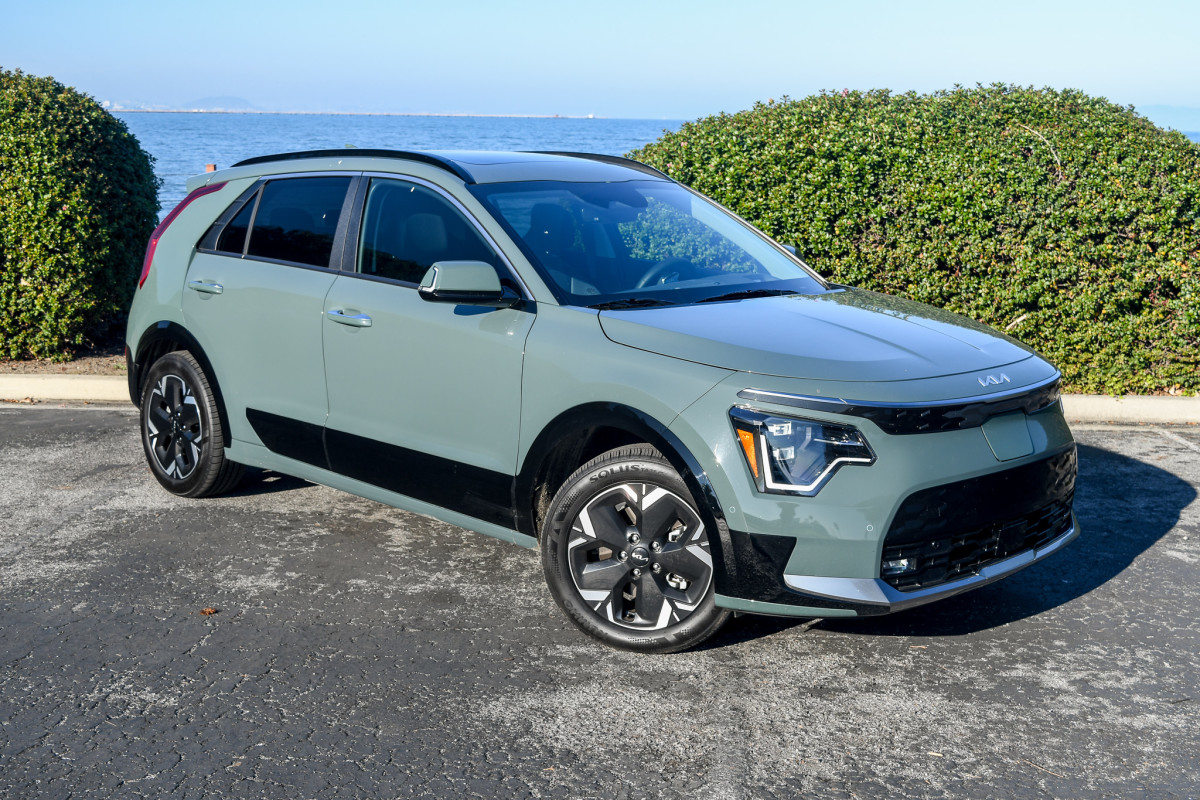
View the 2 images of this gallery on the original article
Without the federal tax credit to lean on to shave off $7,500, being a smart EV buyer is even more important. But the burden of research falls onto the buyer. A smart EV purchase, though, is much deeper than just an attractive price tag. It comes down to which offers AWD, which has the more reasonable range, faster charging speeds, which charging port does it have, and does the company offer any sort of incentive towards an at-home charger or public charging credits? What kind of thermal regulation does it have? All of these questions are important to ask. So, I’ll compare two of the more popular cost-effective options for commuters: the 2025 Kia Niro EV and the all-new Nissan Leaf.
Price-wise, the Nissan comes in first
There are three trims of the newly redesigned 2026 Nissan Leaf: the S+, SV+, and the Platinum+. Like the Kia Niro, it’s front-wheel drive only (which means it’s not as capable in the snow or rain, but you get better range, and good tires make all the difference). The starting price for the Leaf is $29,990. The maximum price range is $38,990, which is still incredibly reasonable. The only other EV that starts under $30,000 is the Hyundai Kona EV. The Kia Niro EV only has two trims: the Wind, starting at $39,600, and the Wave, which starts at $44,600. My Kia Niro tester had a few options and packages, and after the destination fees and taxes, it cost around $46,415.
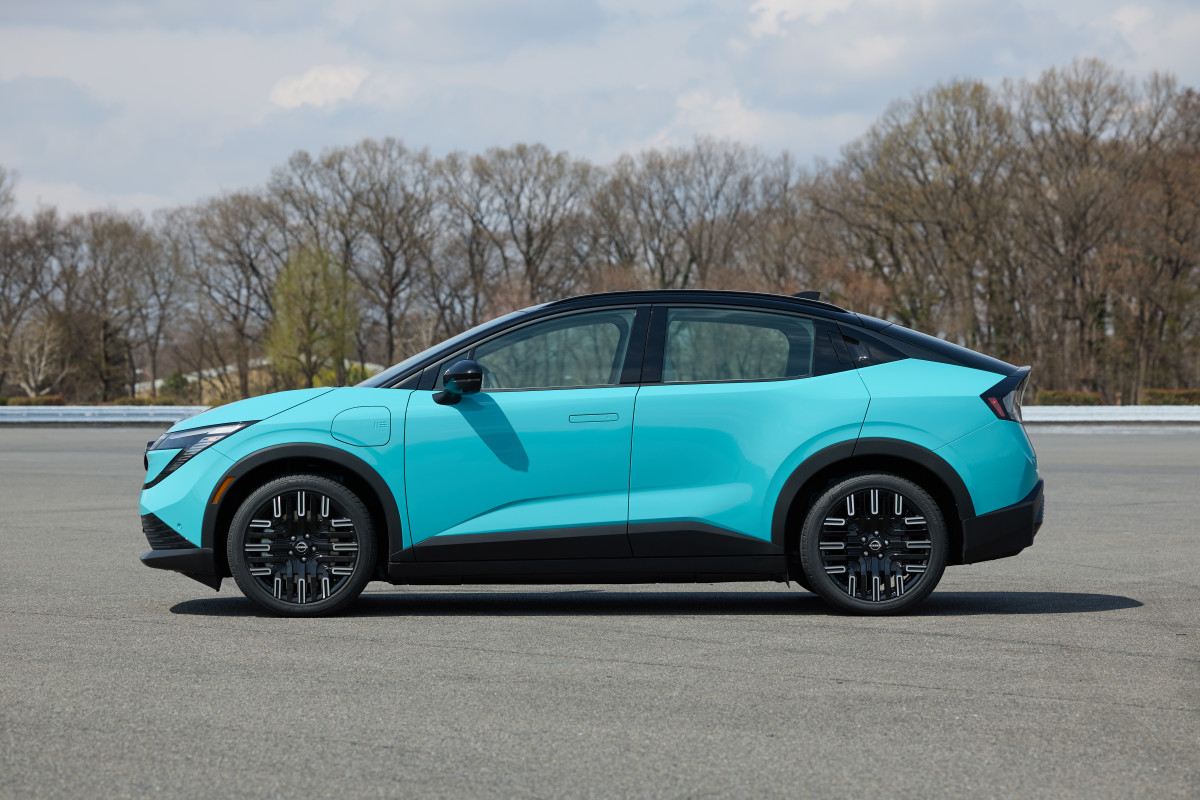
That’s a pretty big leap in price between the two, especially when they’re very similar in size. But the Kia Niro EV has more cargo space, more passenger space in the rear, more premium features, more safety features, and better creature comforts. On the contrary, the Leaf has a higher maximum range, faster charging, and excellent tech. So, the decision between the two just became even harder. Let’s dive even deeper.
When it comes to charging and range, the Nissan wins again
What’s most impressive with the Nissan is that, for the cost, you get a very respectable range of about 303 miles for the S+ trim, 288 for the SV+, and 259 for the Platinum+. In the Kia, the maximum range is about 253 miles. If horsepower is important, the Nissan also takes the medal for this one, with 214 horsepower versus the Kia’s 201 horsepower. Neither is designed to knock your socks off with a launch, but it’s more than enough to make passes comfortably or breeze through a yellow light. While 253 miles was more than enough for me to commute from my East Bay home to San Francisco, then to Palo Alto, then to Mountain View, back to Palo Alto, and then back home at 80% charge, and the regen was powerful enough to earn range back while sitting in traffic, I will always advise people to buy the EV that offers the most range for the least amount of money.
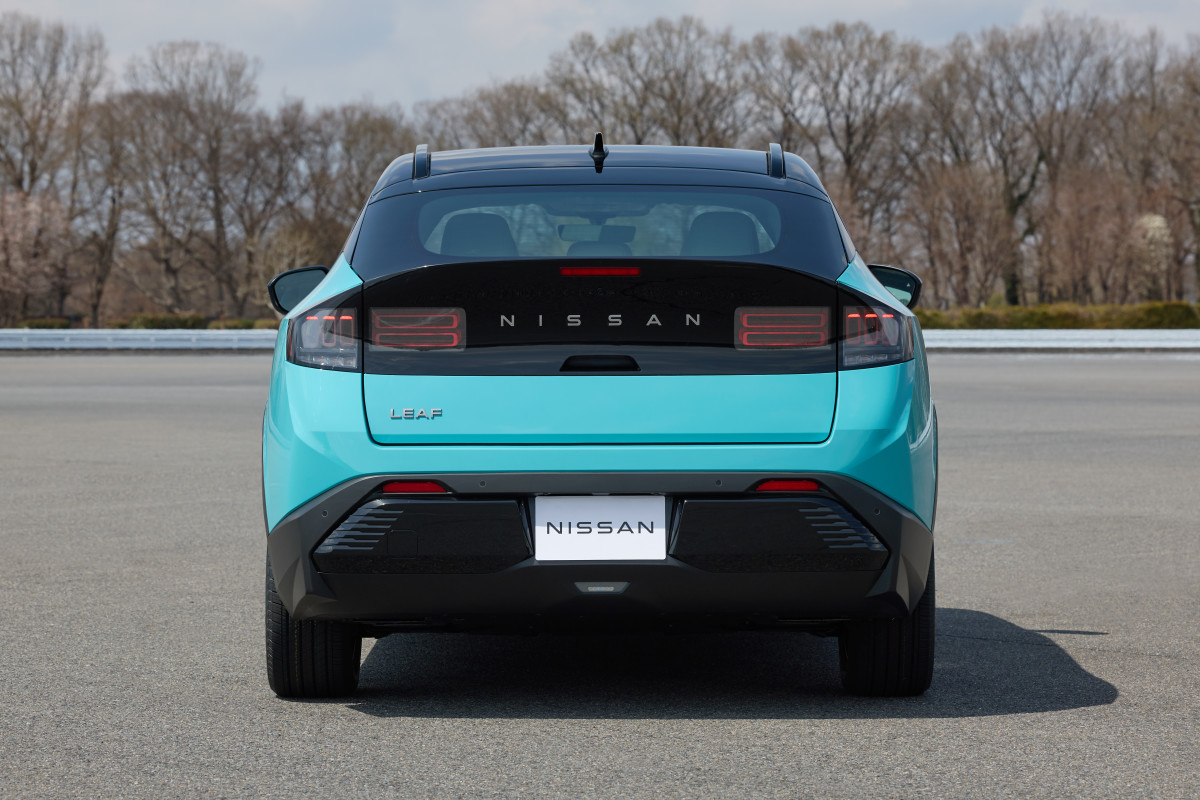
Charging was one of Kia’s only pain points for me. It’s slow. Like, dreadfully slow. Kia’s website says it’s capable of charging at speeds up to 350 kW, but even at an EVGo “Hyperfast” DC charger (the Niro comes with a DC port), the most I’ve ever seen is 73 kW. The average was about 67 kWh. It took about 45 minutes to go from 60 to 80%, and then, before returning it to the fleet company, the charger estimated it would take 75 minutes to get from 40 to 80%. If I could charge in my garage, this wouldn’t be a big deal at all. However, if I had to travel long distances in one, this would be rather annoying compared to the Leaf’s quicker charging capabilities. The Leaf can charge from 10 to 80% in just 35 minutes, and two ports make it much more flexible. No adapters needed.
The Nissan wins for interior design, quality, and comfort—but barely
I’ve always been a big fan of Kia’s interior layouts, design, and materials. Nissan’s interiors have vastly improved in recent years, featuring more vibrant colors, zero-gravity seats co-engineered with NASA, and sound dampening. I was very impressed with the Leaf’s interior. But I loved the Kia’s interior. The Nissan’s interior was a very close second, though, as both had driver control buttons and knobs that were easy to find and use. The dual-screen setup was thoughtful, bright, responsive, and customizable, with the split clearly visible only when looking directly at the screen, not obvious from the steering wheel. Both featured voice assistance technology and Android Auto or Apple CarPlay (though it required a hard connection in the Kia; the Nissan’s connection was wireless). So, at the interior technology front, both are pretty evenly matched.
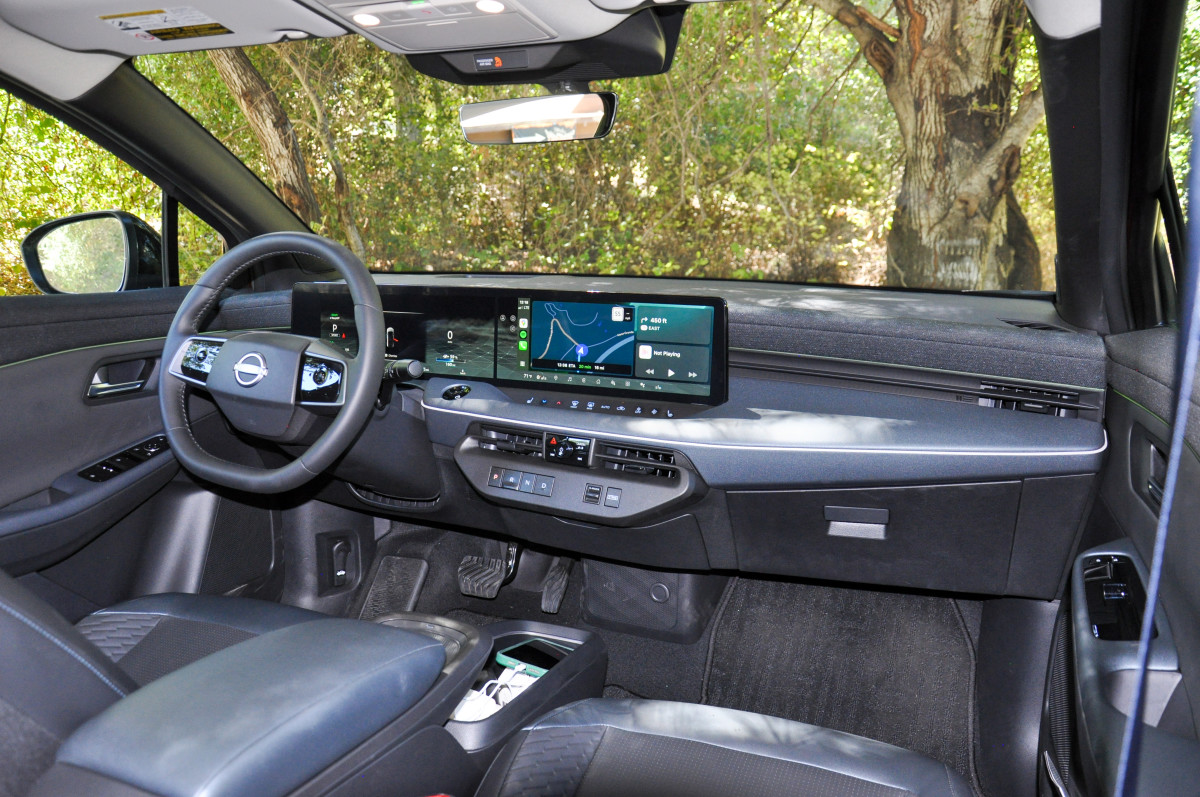
View the 2 images of this gallery on the original article
For the price point, the Nissan Leaf’s interior is mind-blowing. The seats are comfortable and covered in a comfortable leatherette material; the sunroof is larger and has dimming technology; and it has more ambient lighting than the Kia Niro EV. It also has some clever storage cubbies, too. Driving it is comfortable, easy, and very posh-feeling. However, it loses points in passenger comfort. The rear seats are cozy, but it’s a tight fit compared to the Kia Niro EV. My two toddlers were very comfortable in the Kia Niro, as the windows were larger and more open, and because they had more legroom, it was easier for them to crawl in and out, it was easier to install or remove their car seats, the trunk was quite a bit larger than the Leaf’s, too, so if you did decide to use it to haul the family somewhere, the Kia Niro would be better suited. The Nissan is more of a commuter’s dream, while the Kia Niro is a bit more flexible in that regard.
Both come standard with impressive safety suites, but the Nissan offers more for lower trims
Nissan’s always been well-known for prioritizing safety at a price, and the Leaf is no exception. What I appreciated the most, though, is that Nissan offers the Safety Shield 360 suite on all trims, not just the higher-end trims. The only thing the S+ trim misses out on is the ProPILOT semi-autonomous driving assist, but it has everything else: the blind spot monitoring and intervention, automatic emergency braking with pedestrian and cyclist detection, safe exit alert, rear cross traffic alert, lane departure warning and prevention, driver focus alerts, and traffic sign recognition. Similar to the Kia, though, only the top-shelf trim comes with the HUD, but it also has a 360-degree camera that the Niro doesn’t offer at all, even on the fully-loaded Wave.
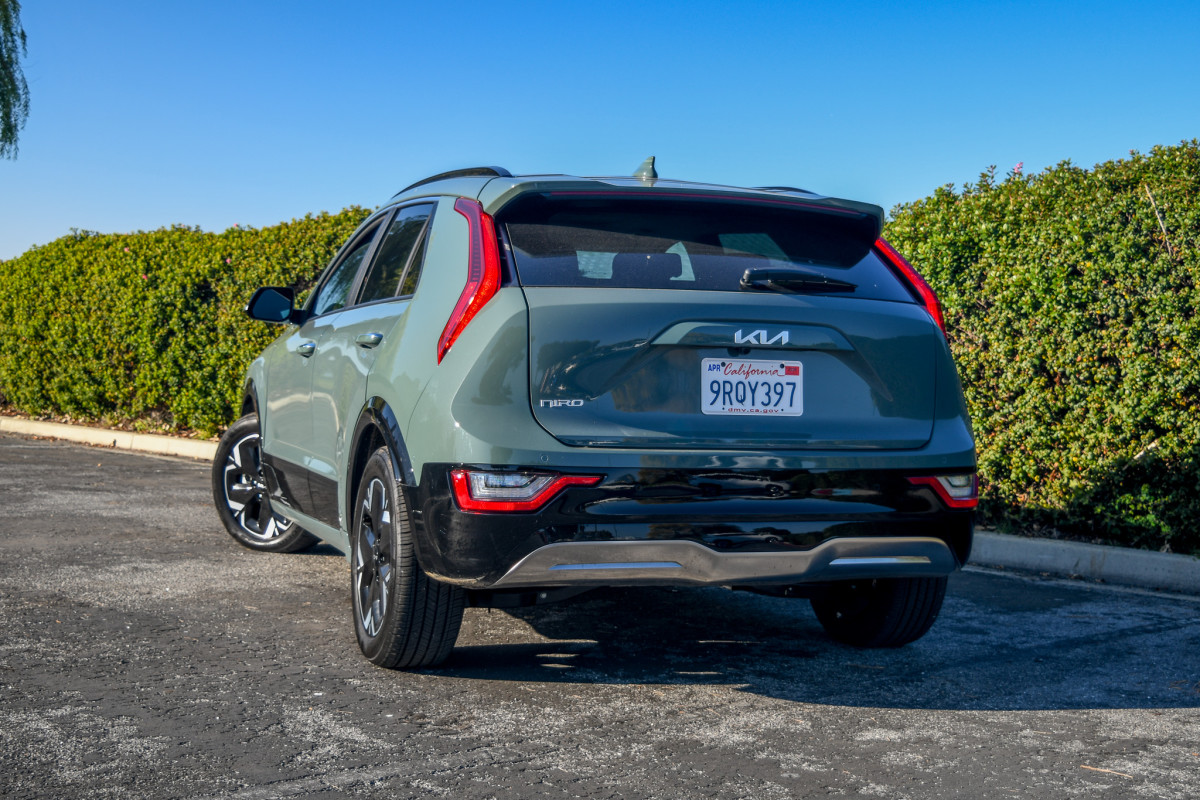
The Kiro Niro, though, offers a tad more if you get the higher-end trim. Since their safety suits are fairly evenly matched, it’s the little differences that can add up. Both are bursting at the seams with airbags, but the Niro EV has a dedicated airbag for the driver’s knees, and it offers junction-turn collision avoidance, which offers a little more protection and peace of mind when making left-hand turns. The safe exit alert is a bit more advanced, too, going as far as locking the doors if an approaching car is detected and the audio warning is ignored. So, both are incredibly safe options, but I’d trust the Kia more in primarily urban environments, while I’d want the Nissan for its more advanced commuter-friendly highway driving assists.
Both will do the commuting for you, it just depends on how much you want to actually do
The Leaf’s mission is simple: offer an affordable option with no-nonsense technology. It comes with both an NACS charging port and a J1772 port, so it can seamlessly tap into the vast Tesla Supercharging network, and the technology behind the screen comes from Google. Similar to the Kia, it comes with a route-planning feature that automatically plots charging stops on your route based on your usage rates and adjusts them earlier or later depending on range fluctuations. Kia’s system, like Nissan's, uses live traffic and navigational data to plan your route and will make adjustments accordingly, if necessary. The plus with Nissan’s software, though, is that it’s built into Google Maps, not the automaker’s in-house navigation software.
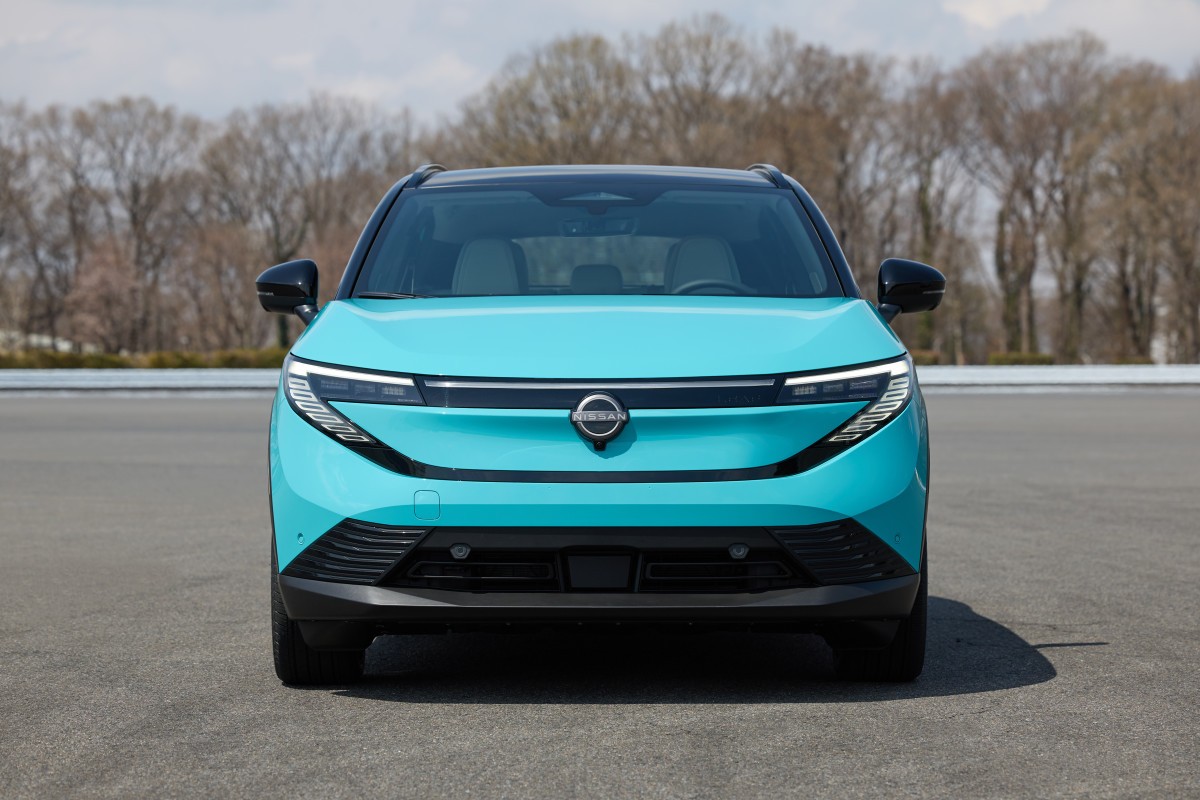
Both come with very powerful highway driving assist features, including lane-change assist, adaptive cruise control that will stop and go in traffic for you, adjusting the speed based on the navigational data, and lane-centering technology. However, the big difference between the two is that Nissan’s ProPILOT Assist 2.0 system is designed around being hands-free, while the Kia won’t let you have your hands off the wheel for too long (it’ll yell at you to put your hands back on the wheel). It will also help you navigate highway exits and branches on predetermined routes, and adjust the speed for curves and ramps, too.
Both systems are excellent, smooth, and efficient. In the Nissan Leaf, it will do all of the heavy lifting for you. You don’t even have to watch the road. You can doomscroll on TikTok the entire time if you want to. The Kia requires driver input in most situations, so it’s better for drivers who aren’t comfortable with a car doing all of the work. Commuting in the Kia during my time with it was comfortable and easy, especially once I engaged the i-Pedal system with the advanced highway driving assist. The Niro EV’s i-Pedal system is one of the best regenerative braking setups I’ve experienced, having traveled 15 miles and only losing 6 miles of total range. The Leaf’s e-Pedal system is similar, but won’t actually completely stop the car for you—the driver must depress the brake pedal to completely stop the car.
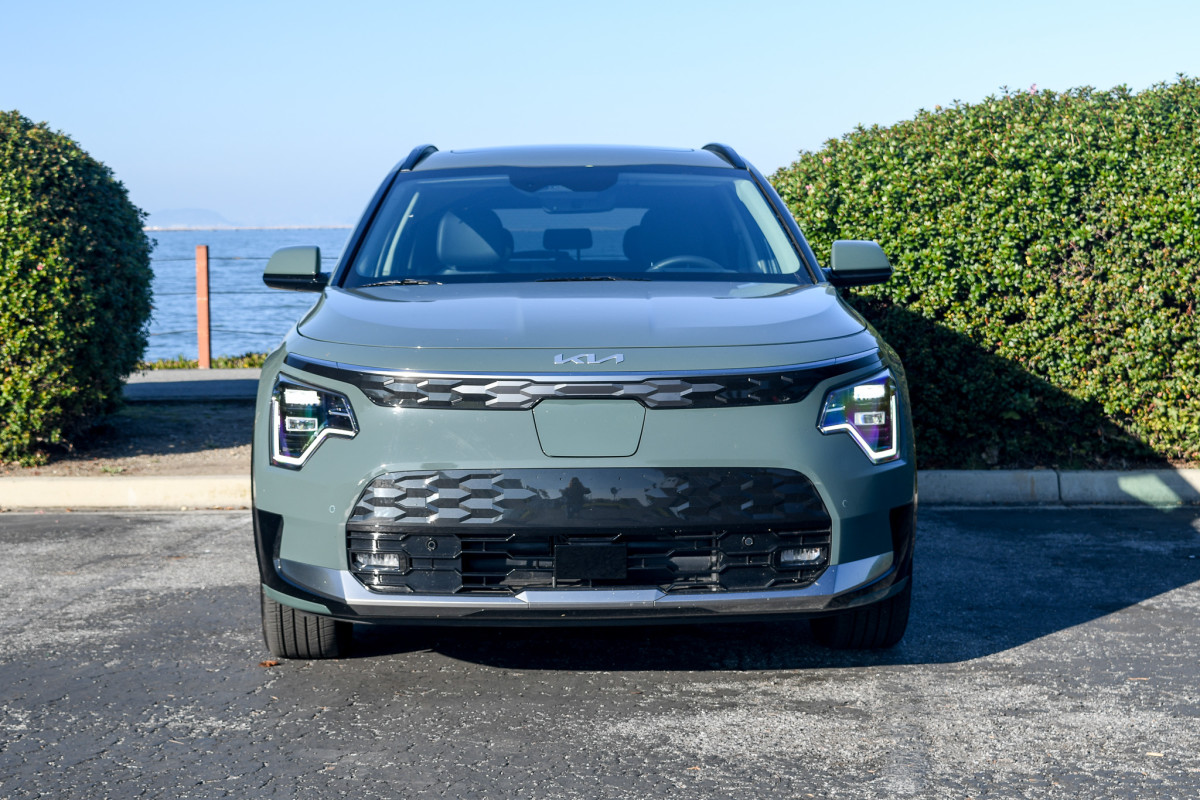
The Kia’s impressive regen tech made it easy to live with in busy, urban cities with lots of opportunities to recapture energy, while the Nissan’s more gentle regenerative braking made me feel like it was much better on highways or long drives. It’s not as effective as the Kia, but its more powerful charging options and higher range definitely make up for it.
What about manufacturer incentives?
When it comes to incentives for the buyer, both Nissan and Kia list pretty serious discounts and perks for buying their EVs. Kia, for instance, is currently advertising $11,000 in customer cash (a $10,000 cash-back plus $1,000 in bonus cash), as well as lease and finance deals going into January of 2026 to make the Niro EV Wind and Wave trim more affordable after the federal tax credit was dissolved. The $10,000 customer cash is to be used to buy another Niro EV, in case you and your partner or spouse wanted one to commute in.
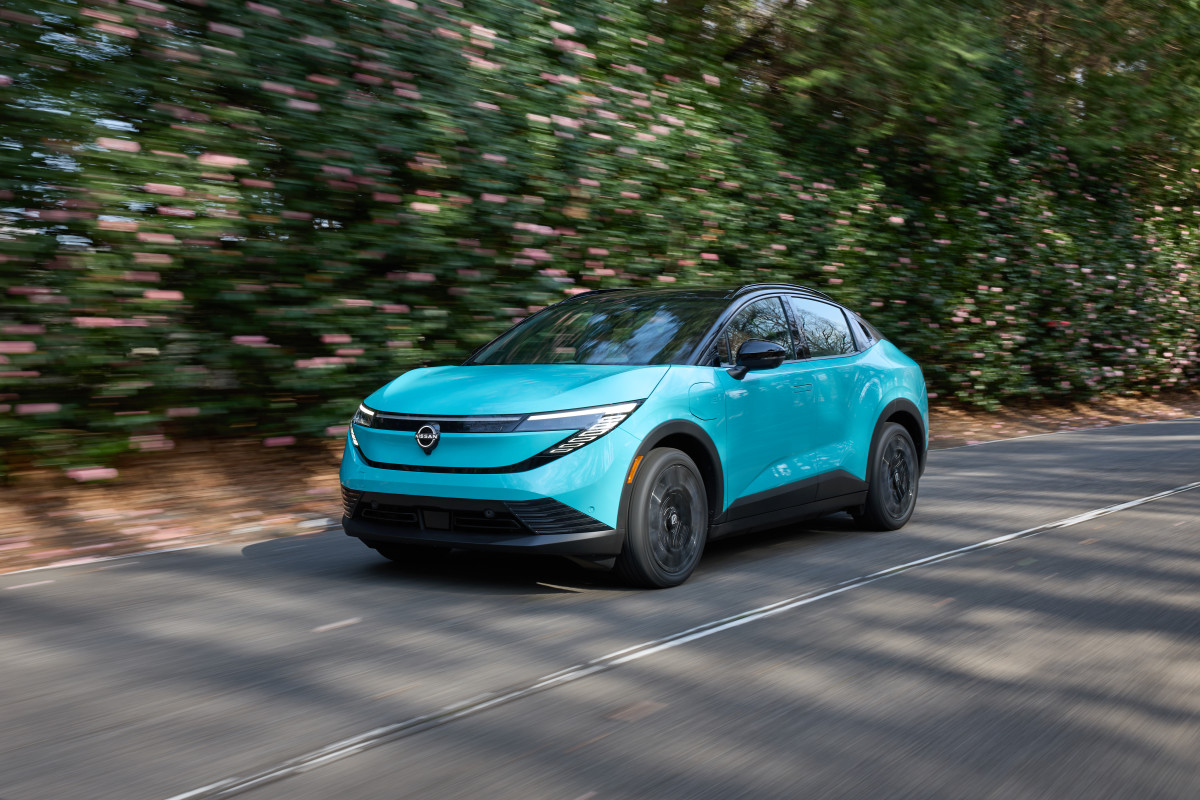
Nissan sweetened the deal with spicy lease deals on the S+ trim, low financing APR rates, and up to $1,000 in public charging credits or $1,000 towards the installation of an at-home charger when you buy a Leaf or an Ariya. Both companies want you to buy their compact EV SUVs, though Nissan’s incentives are a bit more captivating.
Final thoughts
Both the Nissan Leaf and the Kia Niro EV are powerful, affordable options for commuters. The Kia Niro EV, though, is a bit more versatile than the Leaf. If you have kids that you may need to move every once in a while, as I did, but you primarily commute, the Niro EV is an easy choice to make thanks to its spacious and comfortable rear seats, its powerful regenerative i-Pedal and highway driving assists, and its larger trunk space. If you don’t have kids, or you never plan to put them in your commuter EV, the Nissan Leaf is what I’d recommend because its faster charging, longer range, and more advanced semi-autonomous highway driving assist would make the commute so much easier. Both EVs show us that affordable options are needed, desired, and possible, without compromising on comfort, design, technology, or safety. Keep it up, Kia and Nissan.

Post a Comment for "2025 Kia Niro EV vs. 2026 Nissan Leaf: Best Compact EV?"
Post a Comment