We Take a Ride in the Controversial New Jaguar
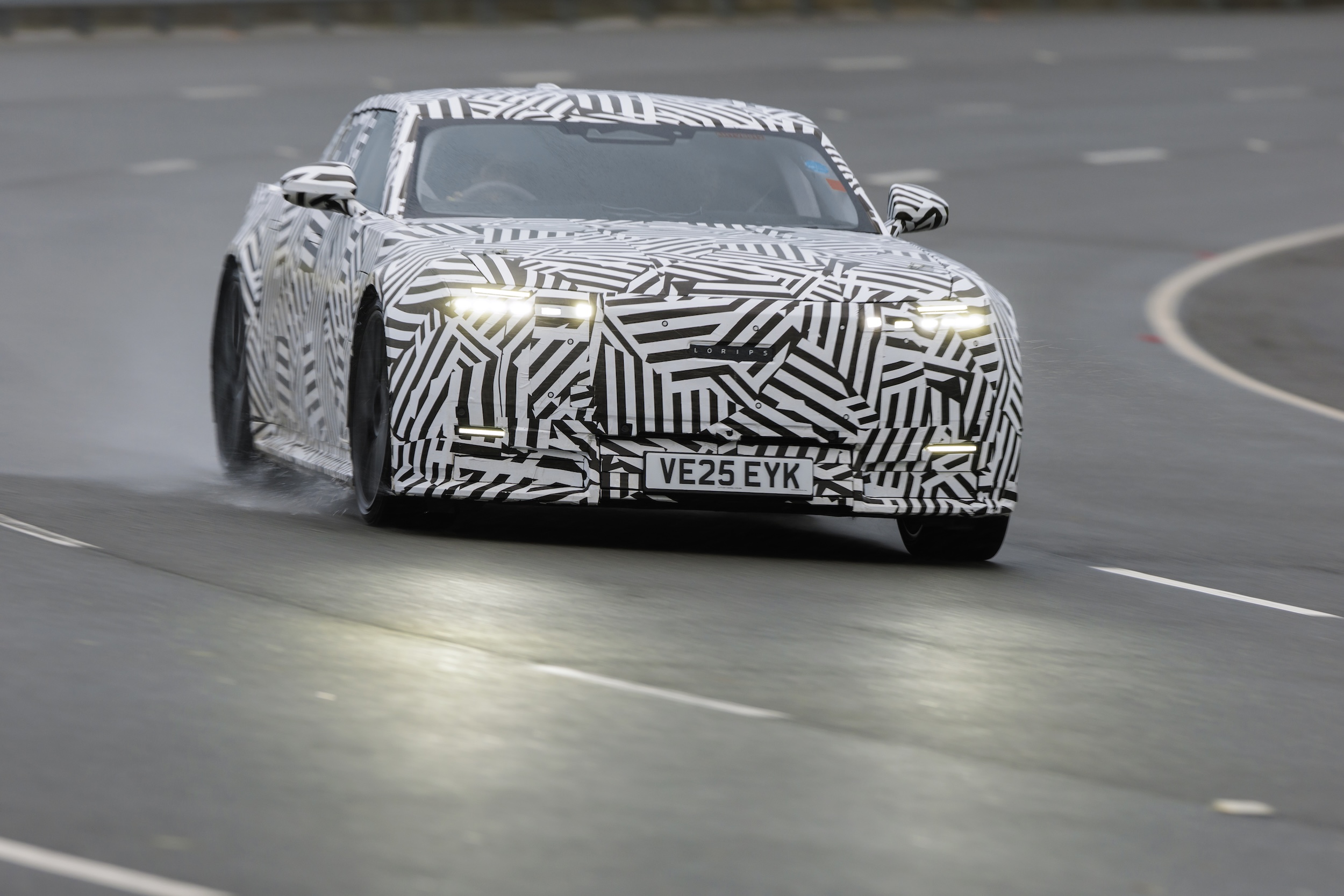
When the social media storm surrounding Jaguar's rebranding erupted last year, it was easy to overlook the fact that the Type 00 concept, unveiled in unconventional shades of pink and baby blue, was more than just a cultural sensation. It was a vision that would eventually become a real car—something you could buy and drive.
At the time, many doubted that day would ever come. With Tata as its parent company, there were concerns about launching an expensive luxury electric vehicle into a market that seemed skeptical of such offerings. The controversy around the brand's transformation might have led some to quietly abandon the iconic but struggling marque, focusing instead on the profitable Land Rover and Range Rover lines.
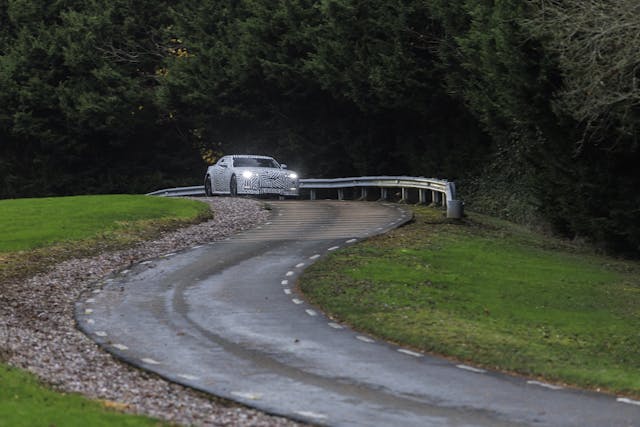
Despite delays, the day when you can drive this car is now drawing near. To showcase its progress, Jaguar invited Hagerty to its test track at Gaydon in the British Midlands for a passenger ride in a prototype of the upcoming four-door grand tourer. This will be the first of three cars in the reborn Jaguar lineup, with the other two being SUVs expected to be the biggest sellers. However, the GT comes first because it closely mirrors the concept car’s proportions and helps establish the brand's new identity.
The production GT’s design was finalized before the Type 00 concept was completed. You’ll see it unveiled next summer, with order books opening then and deliveries planned for early 2027 at a price of around £120,000 or $160,000.
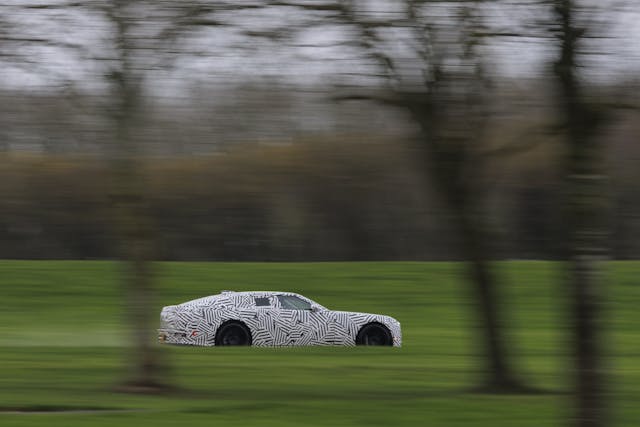
There are 150 prototypes currently in development, with two of them waiting for me at the test track. These are known as Attribute Development Vehicles (ADVs), the most critical and valuable prototypes. They carry the latest versions of every aspect of the car’s engineering, whether hardware or software. Navid Shamshiri, the vehicle engineering manager, was my driver for the day. His title may sound unexciting, but his work is crucial in ensuring the new Jaguar feels like a true Jaguar. He emphasized that there is still work to be done, particularly in areas like pedal feel and damping control. However, the car seems close enough to completion for a report on its dynamics from the passenger seat.
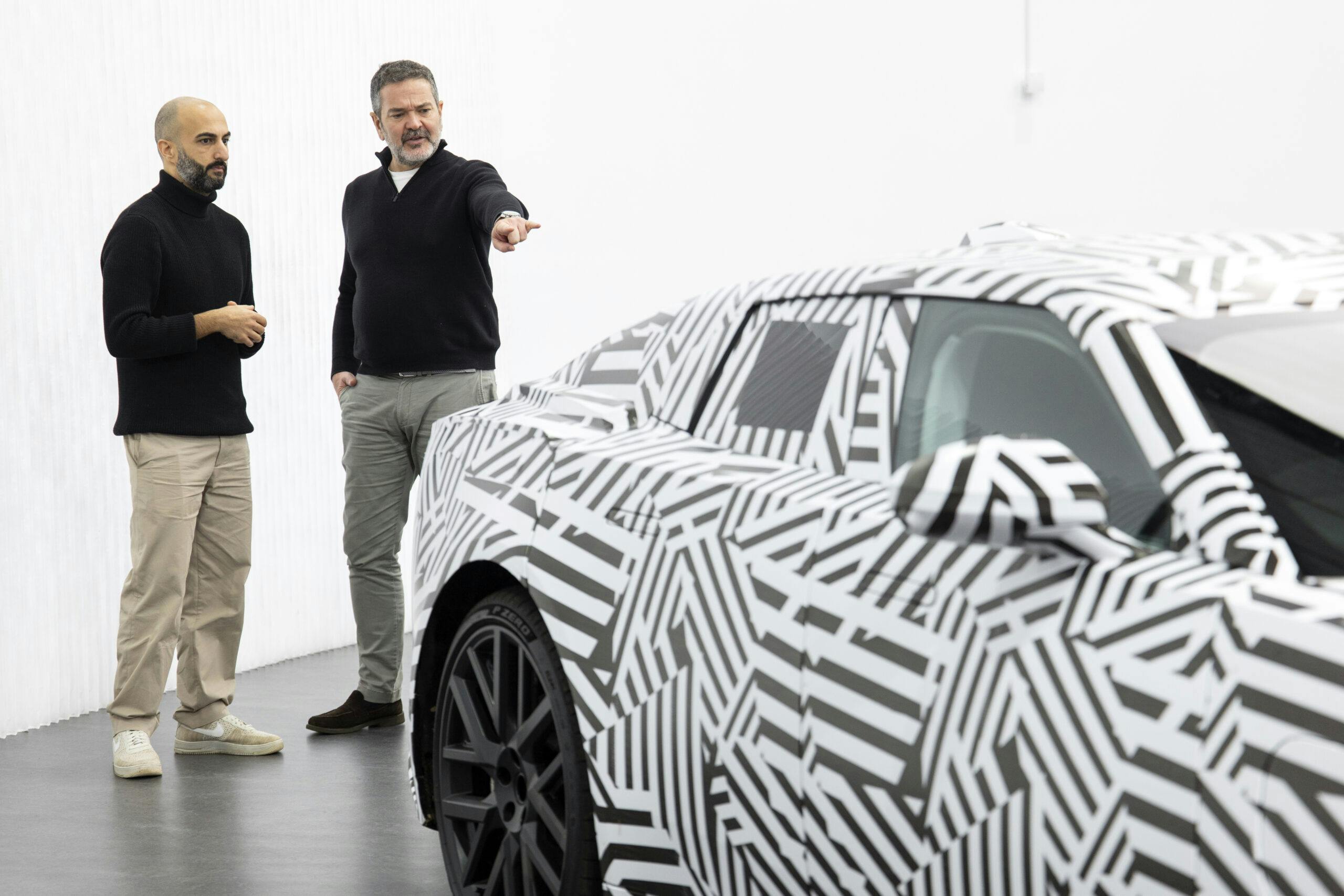
Even with the disruptive-pattern wrap, additional body blocks, and obvious B-pillars, these prototypes are strikingly similar in stance and proportion to the two-door Type 00. The broad, flat hood is identical, and the massive 23-inch rims make the car look even lower. The interior is heavily disguised but clearly designed to be as visually striking as it is functional. You sit low, with a high central console that creates a sense of cocooning without feeling claustrophobic. The windshield is slightly more letterbox-shaped than expected, offering a dramatic view over the expansive hood.
As we approach the track, Navid explains that the GT was designed to feel neither like a limo nor a sports car, but rather like a true Jaguar. This philosophy was echoed by Jaguar’s managing director, Rawdon Glover, who mentioned that despite the brand’s dramatic shift last year, heritage remains a key component of luxury and influences both the product and pricing.
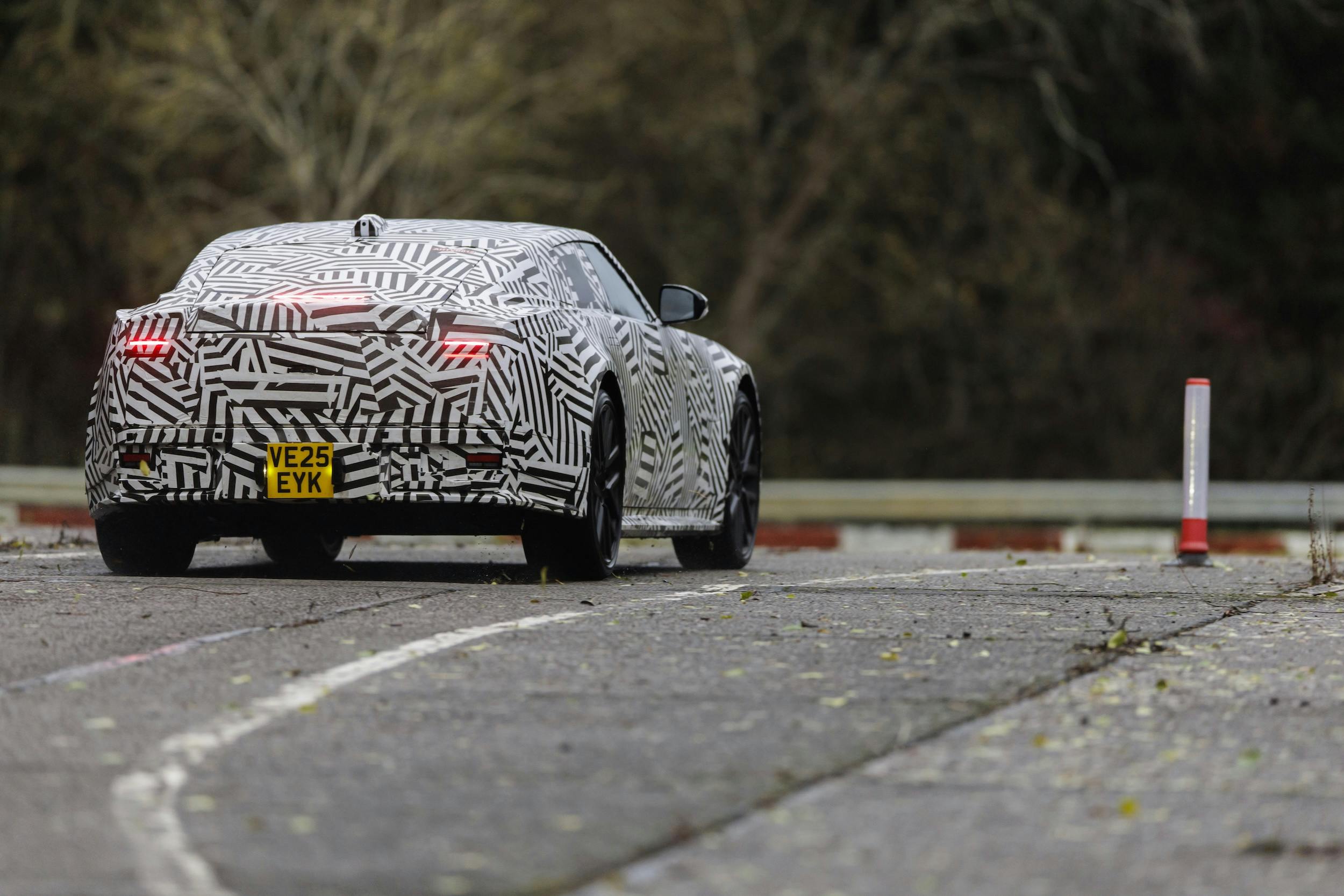
Having driven, owned, and competed in Jaguars for 25 years, I already feel a connection to this new model. The air suspension reacts softly and quietly on rough surfaces at low speeds. Once on the track, Navid pushes harder, and the car maintains its composure even at high speeds. There is some controlled body roll, but the car never loses its stability. It handles bumps and humps with a single, well-damped movement without feeling harsh.
Given its length of over five meters, one might expect the steering response to be similar to other large sedans. However, the combination of rear-steer and a low polar moment of inertia, thanks to the compact wheelbase, gives the GT a mid-engined feel. The triple-motor layout enhances performance, allowing for precise torque vectoring and powerful acceleration without the typical brutality of high-horsepower GTs. This refined balance is a deliberate choice that aligns with Jaguar’s legacy.
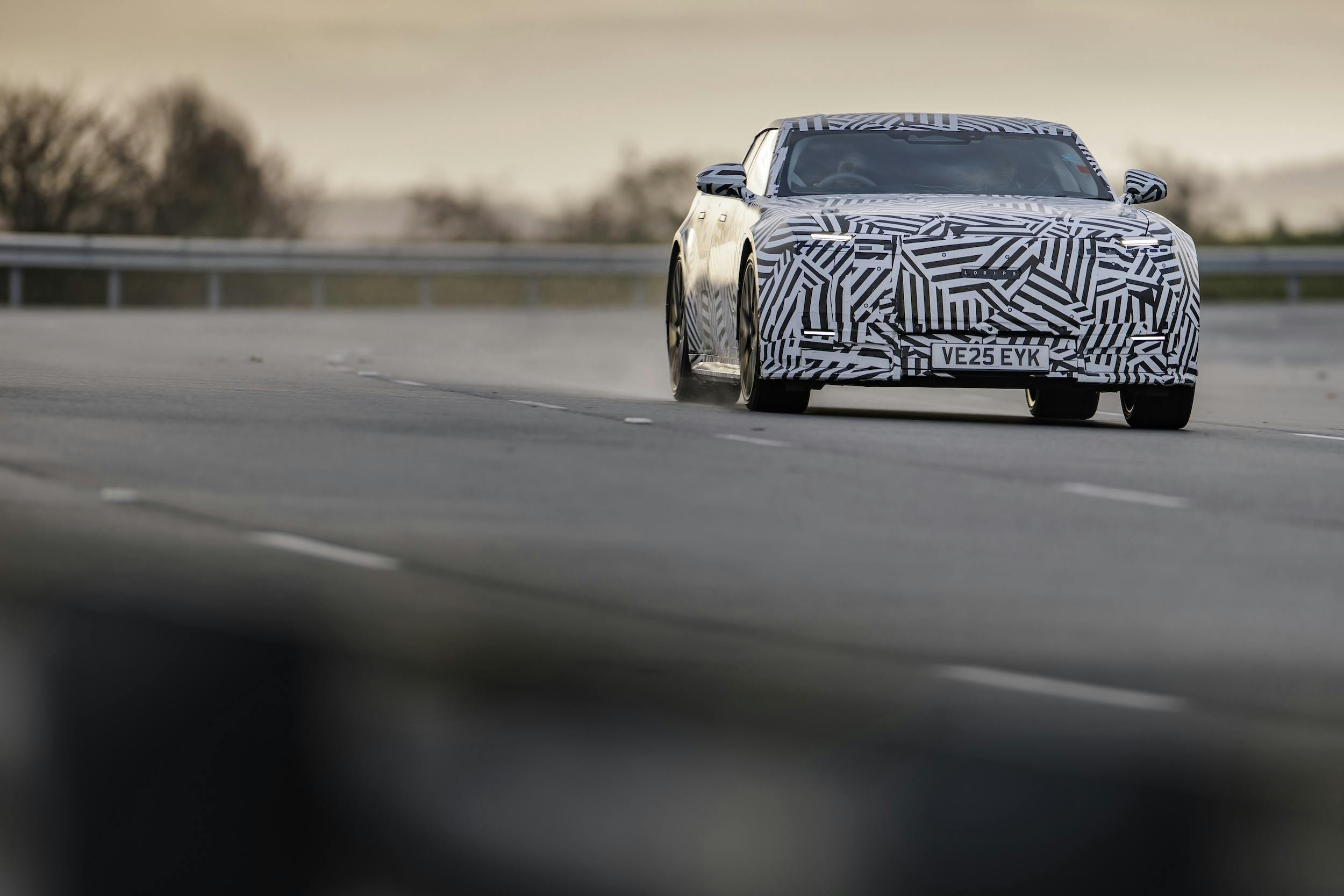
Of course, these impressions are based on a passenger ride, and the true experience will come when we get behind the wheel. However, given the dynamic strengths of recent Land Rovers and Range Rovers, there is little doubt that the new Jag will perform well. The bigger question is how the market will receive it.
For Rawdon Glover, the focus is now on connecting the car’s design with its driving dynamics. “We’re getting into the dynamics of the car now because so far it’s all been about design,” he says. “That’s important for Jaguar, but equally important is the need to drive like a Jaguar.”
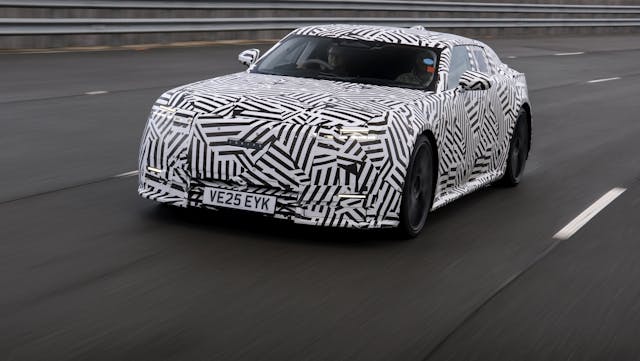
The EV powertrain has allowed Jaguar to create a car that looks unlike anything else while delivering impressive performance. The 50-50 weight distribution and low center of gravity are significant advantages. When has Jaguar been successful? Often when it offered performance, visual differentiation, or luxury at a price point that rivals much more expensive vehicles. This new model shares that same philosophy.
Looking to purchase a car? Find your match on the MSN Autos Marketplace.

Post a Comment for "We Take a Ride in the Controversial New Jaguar"
Post a Comment