Ultrafast Light Controls 10x Magnetic Motion for Quantum Tech
Understanding the New Mechanism of Magnetic Control
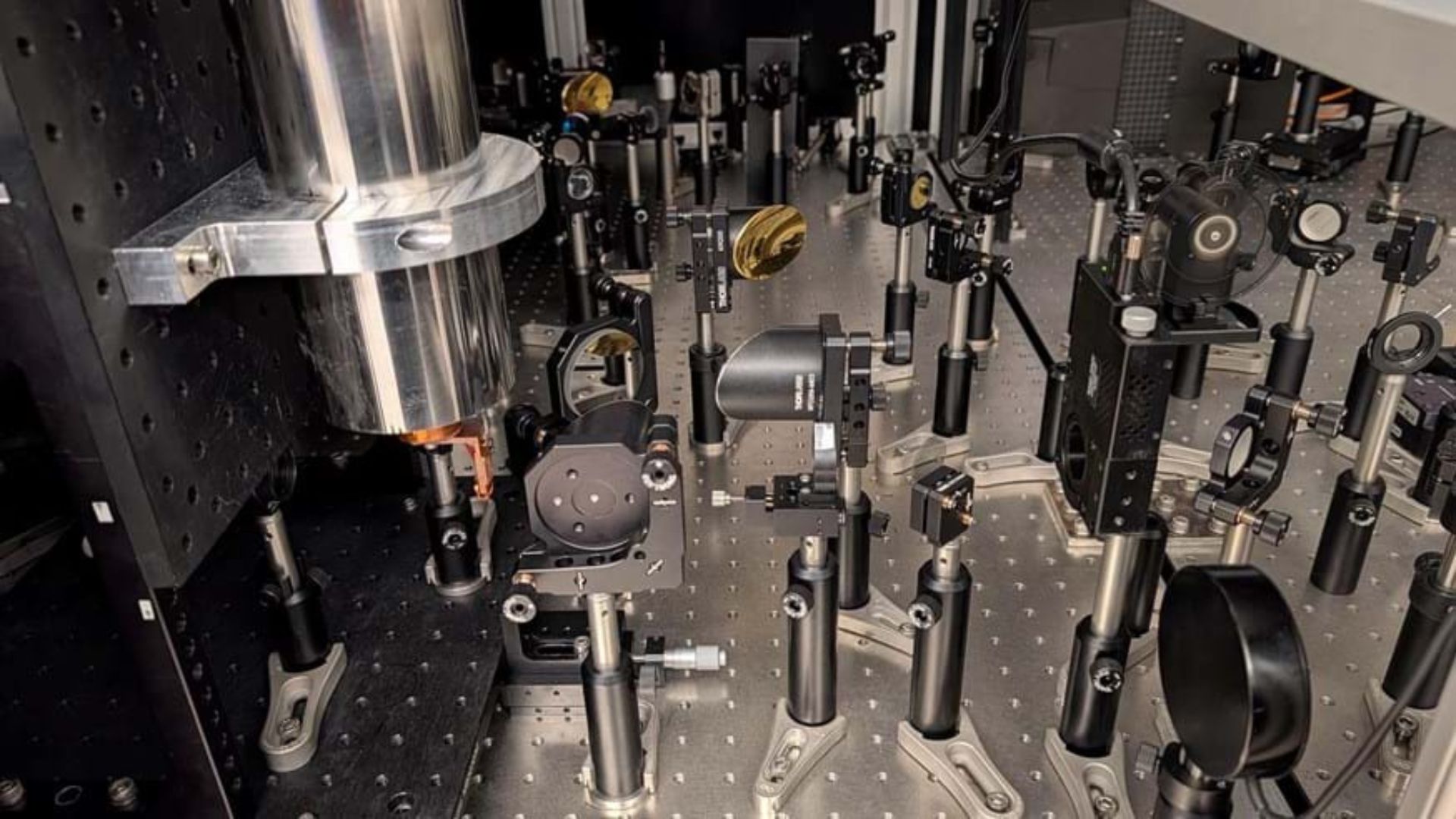
Scientists have discovered a groundbreaking method to control magnets using ultrafast light flashes, which last less than a trillionth of a second. This innovative approach allows for significant magnetic motion without any physical contact or continuous energy input. The research, led by an international team from Lancaster University, has unveiled how subtle electronic effects can significantly enhance the response of magnets to these rapid light pulses.
This discovery not only deepens our understanding of magnetism at extreme speeds but also opens up new possibilities for developing faster and more efficient technologies. The findings suggest that this mechanism could revolutionize how magnetic states are controlled in future devices.
Light-Driven Magnetic Motion
The study focused on how extremely short electromagnetic pulses affect magnetization within solid materials. These pulses briefly disrupt the magnetic order, causing spins to tilt away from their original direction. Researchers tested two closely related magnetic materials, each with similar properties but differing in the structure of their electronic orbitals. Orbitals describe the movement of electrons around an atomic nucleus.
After exposing the materials to ultrafast light, the team analyzed the resulting magnetic state. They observed a striking difference in how strongly each material responded. In one case, the interaction between orbital motion and electron spin amplified the effect, leading to a spin deflection up to ten times larger than in the material without that interaction. This result highlights the critical role of orbital motion in magnetic control and reveals a highly efficient pathway for steering magnetization using light alone.
The Role of Electrons in Magnetism
Magnetism begins with electrons. As they orbit the nucleus and spin on their axis, each electron acts like a tiny magnet, known as a spin. The collective behavior of these spins determines a material’s magnetic direction. In solids, electrons interact with one another and with nearby atoms, which locks spins into preferred orientations and defines how easily external stimuli can move them.
Light can influence both electron orbitals and spins. When orbital motion strongly couples to spin, the response becomes much stronger. The researchers demonstrated that this coupling allows light to transfer angular momentum more efficiently. This mechanism enables rapid magnetization steering on ultrafast timescales. With sufficient control, the magnetization can shift far from equilibrium, and in some cases, even reverse direction entirely.
Such control is essential in magnetic data storage, where information is encoded as “0” or “1” based on magnetic orientation.
Implications for Future Devices
Magnetic materials continue to be central to modern technology. Data centers rely on them to store vast amounts of information, while smartphones and computers use magnetic sensors for navigation and positioning. Improving magnetic control could lead to faster and more energy-efficient systems. Light-based techniques also reduce heat and power losses associated with electric currents.
Lead author Dr. Rostislav Mikhaylovskiy emphasized the broader impact of the work. “We believe that this exciting discovery will stimulate further studies of the mechanisms governing the efficient and rapid control of magnetization for future quantum technologies.”
Researchers plan to explore other materials with strong orbital-spin coupling and refine ultrafast optical methods for real-world applications. The study shows that hidden electronic motion can unlock powerful new ways to manipulate magnets, bringing scientists closer to controlling magnetic matter at the fastest possible speeds.
Conclusion
This breakthrough in magnetic control using ultrafast light pulses marks a significant step forward in the field of magnetism. It not only enhances our understanding of fundamental mechanisms but also paves the way for advanced technological applications. As scientists continue to explore this area, the potential for innovation in data storage, computing, and other fields remains vast. The study was published in the journal Physical Review Letters.

Post a Comment for "Ultrafast Light Controls 10x Magnetic Motion for Quantum Tech"
Post a Comment