Trump to Sign Order Reclassifying Cannabis for Medical Use
The Potential Shift in Federal Cannabis Policy
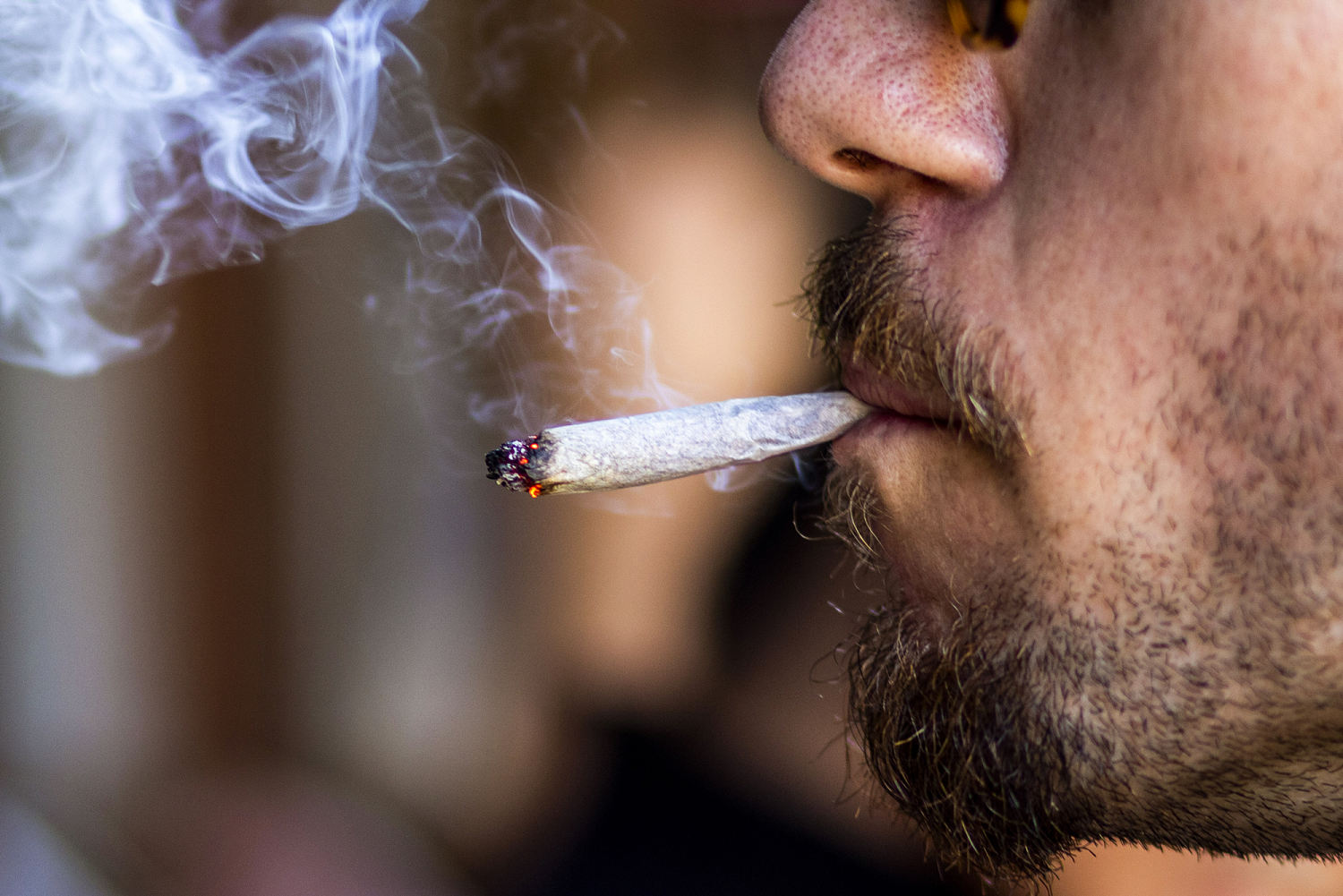
Washington — President Donald Trump is expected to sign an executive order that could significantly change the federal approach to cannabis. According to four individuals with direct knowledge of the plans, this order would fast-track the reclassification of cannabis and acknowledge its medical benefits for the first time at the federal level.
Currently, cannabis is classified under the same category as heroin and LSD under the Controlled Substances Act of 1970. If moved from Schedule I to Schedule III, it would ease regulatory hurdles and allow the Food and Drug Administration (FDA) to study cannabis for medical purposes. This shift could potentially open up wider medical use by seniors, veterans, and others as a pharmaceutical product, regardless of state laws.
It is important to note that the executive order would not make cannabis legal at the federal level. However, it could mark a significant step toward recognizing its potential medical value.
Trump’s Stance on Reclassification
During a recent press briefing, Trump mentioned that his administration is “considering” the move. He emphasized that the reclassification could lead to extensive research that is currently not possible. “We are looking at that very strongly,” he stated.
The executive order is expected to direct the Drug Enforcement Administration administrator or Attorney General Pam Bondi to conclude the formal rescheduling process, which has been ongoing for over a year. It would also aim to publish the final rule that would reclassify cannabis to Schedule III.
The formal process began under the Biden administration in 2024, and a hearing on the drug’s proposed rescheduling has been on hold for administrative reasons since the beginning of this year.
Additional Legislative Considerations
In addition to the rescheduling, Trump's executive order could include a directive to Congress to pass the SAFER Banking Act. This bipartisan legislation would give legal cannabis businesses access to major banks and financial institutions. Currently, banks and creditors could face federal prosecution if they provide services to legal businesses selling cannabis.
Another possibility is a directive to the Centers for Medicare and Medicaid Services (CMS) to allow for the reimbursement of CBD products under Medicare, according to two sources familiar with drafts of the order.
Meetings and Campaign Promises
These developments come after Trump hosted a group of cannabis executives in the Oval Office last week. He held multiple meetings that included FDA Commissioner Dr. Marty Makary, Health and Human Services Secretary Robert F. Kennedy Jr., and CMS administrator Dr. Mehmet Oz.
During his campaign trail in 2024, Trump vowed to “unlock the medical uses of marijuana” by reclassifying the drug if re-elected president. He also took a stance against Florida Gov. Ron DeSantis, who challenged him in the Republican primary, by supporting a ballot initiative that would have legalized recreational marijuana in Florida. That measure failed after an intense lobbying effort from DeSantis.
Criticism and Calls for Further Action
Sen. Ron Wyden, D-Ore., who has pushed for legislation to decriminalize cannabis, criticized the potential executive order. He said that if Trump's expected executive order does not go far enough, it would be "an attempt to boost his pathetic approval ratings."
“Trump will try to gaslight everyone into believing he just made pot legal. Wrong,” Wyden posted on X. “He has not decriminalized cannabis or expunged the records of black and Latino Americans stuck in prison for minor drug offenses.”
Thousands of Americans are still imprisoned for low-level cannabis possession and distribution offenses since the war on drugs escalated in the 1990s.
Adrian Rocha, policy director for the Last Prisoner Project, which advocates for people incarcerated for minor cannabis offenses, said Trump's executive order would be a "major shift in federal policy," but called on him to couple it "with clemency for people imprisoned for cannabis-related offenses."
“That would also send a message to state governors, who also have the power to grant clemency their constituents,” Rocha said.
Public Opinion and Recent Actions
According to a November poll from Gallup, 64% of U.S. adults think the use of marijuana should be legal.
Last month, Trump signed a provision into law, as part of the bill that ended the government shutdown, that will crack down on low-THC hemp-derived products sold around the country, even in states without legal recreational marijuana laws.

Post a Comment for "Trump to Sign Order Reclassifying Cannabis for Medical Use"
Post a Comment