Time's Person of the Year: The Minds Behind AI

A New Era of Recognition
In 2025, TIME made a bold and significant change to one of its most iconic traditions. Instead of selecting a single individual as Person of the Year, the magazine chose a collective: the architects of artificial intelligence. This decision was more than just a stylistic shift; it was a reflection of a deeper truth about the current era. The forces that are reshaping the world no longer come from a single dominant personality but from interconnected networks of people who are designing systems that affect billions of lives.
By honoring multiple leaders behind artificial intelligence, TIME shifted the focus away from celebrity and toward infrastructure. The recognition was not for a machine or a single invention, but for the executives, researchers, engineers, and strategists whose decisions have transformed AI from a speculative technology into a structural force that influences daily life. Their impact is no longer abstract or optional; it has become pervasive, unavoidable, and deeply consequential.
The Turning Point of 2025
The choice by TIME underscores why 2025 is a turning point in history. Artificial intelligence is no longer seen as a future promise or an experimental frontier. It is now reorganizing labor markets, redefining creativity, altering economic hierarchies, and influencing geopolitical power. From Silicon Valley to Beijing, governments and corporations are racing not just for innovation, but for control over an infrastructure that now underpins culture, security, science, and global competition.
A Humanity Reshaped by AI
The 2025 Person of the Year edition reflects how AI has transitioned from novelty to foundation. For TIME, the architects of artificial intelligence are those who conceptualized, built, and scaled systems capable of reshaping entire industries. Medicine, scientific research, education, entertainment, defense, and public administration are all being reorganized around algorithmic tools that accelerate processes once dependent on human time and judgment.
The speed of adoption is unprecedented. AI-powered applications that initially reached users at record-breaking rates now involve hundreds of millions of people interacting daily with automated systems. These systems assist in writing software, interpreting medical data, composing music, optimizing logistics, and filtering information. No recent technology has integrated itself so deeply and quickly into both professional environments and private routines.
Crucially, this transformation is not confined to a small group of technology giants. The influence lists published by TIME in 2025 highlight individuals working across continents and sectors, from startup founders and corporate leaders to academic researchers and laboratory teams. The result is a portrait of a dispersed yet interconnected collective driving a global technological shift. The Person of the Year, in this sense, becomes a symbol of coordination rather than concentration.

The Evolution of AI
This collective nature also reflects how artificial intelligence itself evolves. Models improve through shared research, open competition, massive investment, and iterative deployment. Power no longer rests solely in invention, but in scaling, governance, and integration. Those shaping AI today are not simply inventors; they are architects of systems that mediate how societies function.
Between Wonder and Unease: The Social Impact of AI
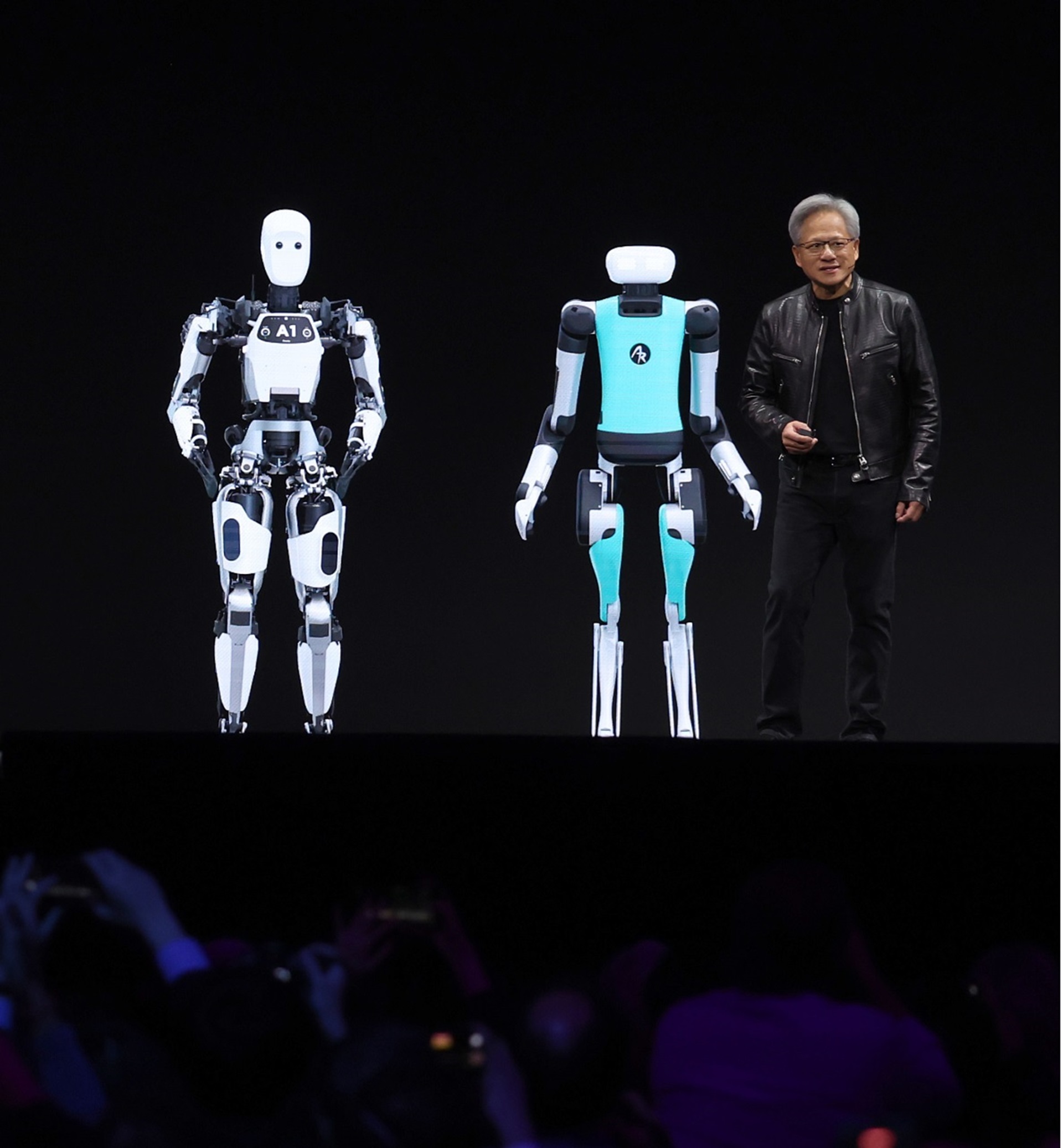
The expansion of artificial intelligence inspires both fascination and anxiety. On one hand, its promises are substantial: dramatic productivity gains, accelerated medical breakthroughs, automation of dangerous or repetitive labor, and new forms of creative expression. AI has moved to the center of corporate strategies and national agendas with a speed rarely seen in technological history.
On the other hand, the risks are equally significant. The same systems that enhance efficiency can also amplify misinformation, distort perception, and automate decisions without transparency. Concerns about data privacy, algorithmic bias, and accountability have intensified as AI systems influence hiring, policing, finance, and public discourse.
There is also growing unease about inequality. Critics warn that the productivity gains generated by AI may concentrate wealth and power among a limited number of corporations and countries. Without robust regulatory frameworks, artificial intelligence risks reinforcing existing asymmetries rather than alleviating them. Researchers in ethics and governance emphasize that the challenge is no longer technological capability, but institutional responsibility.
A Mirror of the Era
These tensions explain why TIME’s choice is not celebratory in a simplistic sense. The architects of AI are shaping a force that can both empower and destabilize. Recognizing them is also an invitation to scrutinize their decisions, incentives, and long-term impact.
The Person of the Year as a Reflection
By selecting a collective rather than an individual, TIME offered a diagnosis of the present. The defining transformations of this era do not emerge from solitary genius, but from complex ecosystems of capital, research, policy, and culture. Artificial intelligence is not neutral; it reflects the priorities, values, and power structures of those who design and deploy it.
Historically, TIME has honored figures whose influence captured the spirit and contradictions of their time. In 2025, artificial intelligence stands as the most consequential vector of change. The architects behind it embody both ambition and uncertainty, progress and disruption.
More than a tribute, the designation serves as a warning and a question. As AI continues to blur boundaries between human decision-making and machine optimization, the responsibility borne by its architects grows exponentially. The future is not being shaped gradually; it is being engineered in real time.
A New Age of Systemic Power
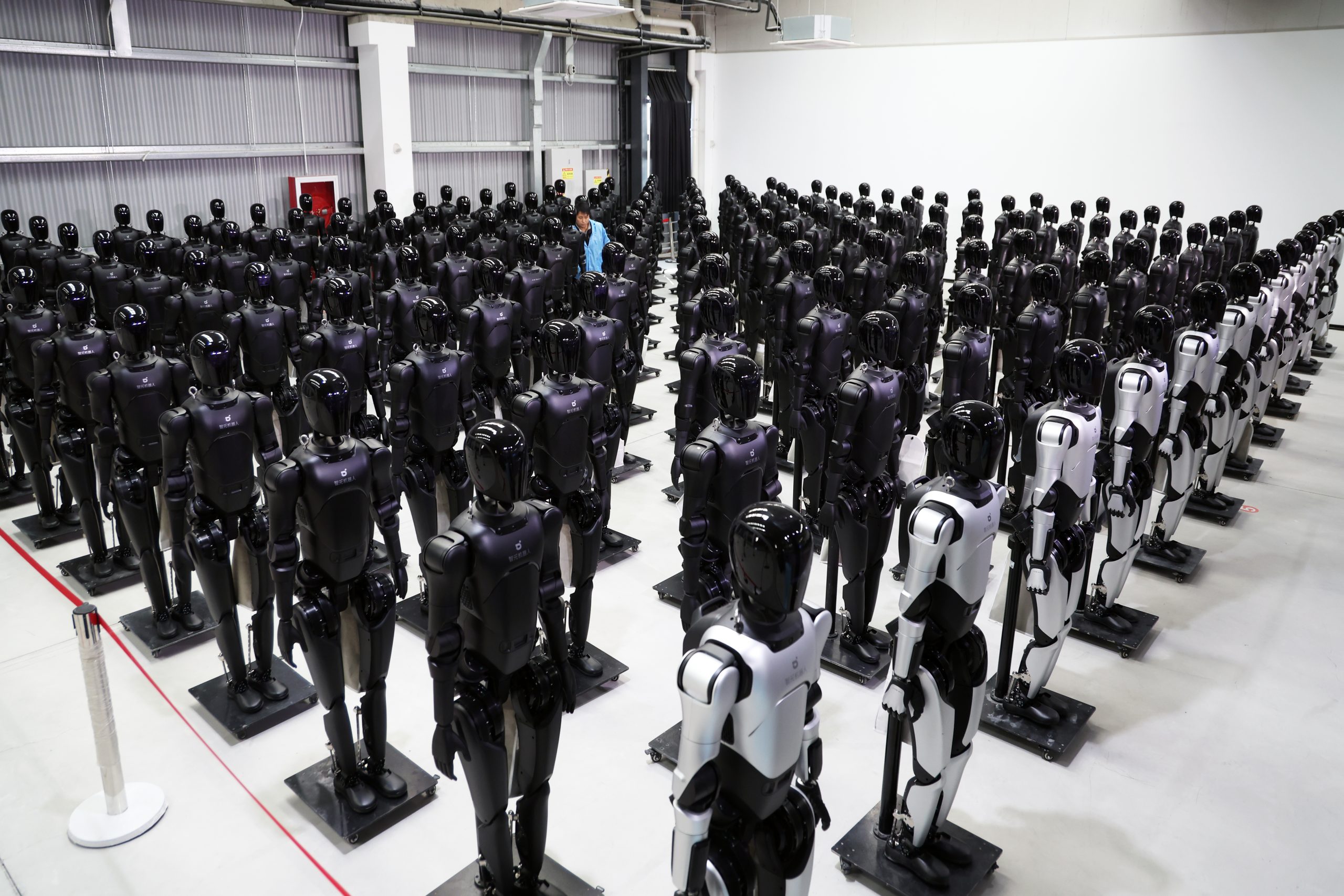
Recognizing multiple people as Person of the Year signals that the age of singular heroes has given way to an era of systemic power. And in that system, the choices made today will define not only what technology can do, but what kind of society emerges alongside it.

Post a Comment for "Time's Person of the Year: The Minds Behind AI"
Post a Comment