School Boards in Decorah and Keokuk Demand End to Vouchers and Increased Funding
Growing Concerns Over School Funding and Vouchers
In recent weeks, two school districts in Eastern Iowa have taken a stand by signing resolutions that call for increased public school funding and an end to school vouchers. These actions highlight a growing movement among educators and community members who believe that the current system is not adequately supporting public education.
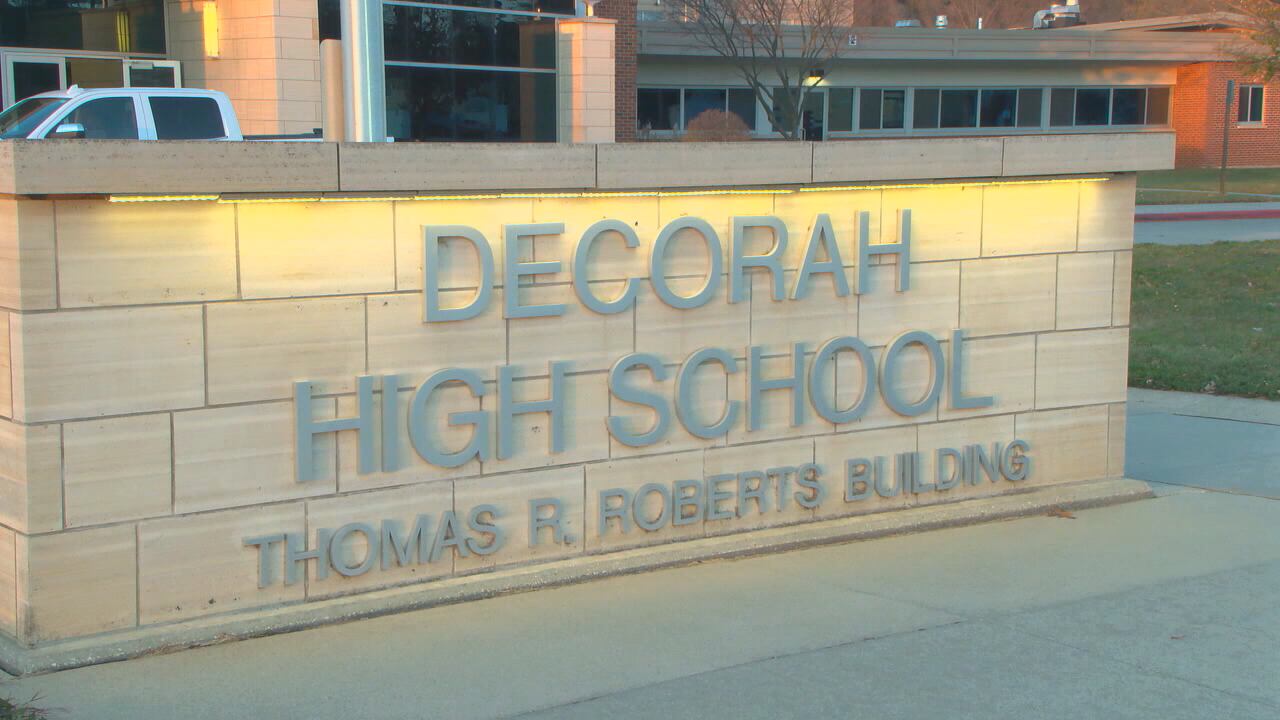
The Decorah Community School District was the first to sign the resolution on Monday, December 8. This move aligns with the goals of Public School Strong, an initiative led by Iowa Citizens for Community Improvement (CCI). Shortly after, the Keokuk board followed suit on Monday, December 15, becoming the fifth district in Iowa to join this effort, alongside Albia, Belmond-Klemme, and Bennett.
During the Decorah board meeting, Steve Peterson, a recently retired teacher and member of Public School Strong, voiced his concerns about the impact of vouchers on the district. He stated, “When hundreds of millions of dollars go to vouchers, it guarantees low state aid to Decorah.”
Cindy Goodner, the president of the Decorah School Board, emphasized the district's good relationship with local private schools, including resource sharing and support for transitioning students to the public high school. However, she noted that the district has felt the effects of education savings accounts (ESAs), or vouchers, since their implementation.
“Decorah has seen declining enrollment for the past two years, and that’s directly impacted our general operating funds,” said Goodner. The board voted unanimously for the resolution, which urges the governor and state legislature to reintroduce an income cap for vouchers, phase out the program within five years, and consistently increase annual state funding for public education.
Goodner also highlighted concerns about teacher pay, stating that a 5% increase in student supplemental aid would make a significant difference in keeping pace with the rising cost of living. Peterson praised Decorah as an “excellent” school district with great staff but acknowledged challenges such as hiring elementary teachers, larger class sizes, and co-curricular activities.
Iowa CCI aims to turn the resolution into legislation, pushing for stronger support of public schools. Peterson emphasized the need for transparency and ensuring that public funds are used for public schools. He pointed out that private schools can choose their students, while public schools cannot, and this imbalance is a moral issue.
Tim Glaza, the Special Projects Director at Iowa CCI, discussed the change in income cap requirements for vouchers this year. Now, all students are eligible regardless of family income. Glaza argued that bringing back the income cap is essential because using public money to allow wealthy families to send their children to private schools is unjust. He also mentioned that the spending of these funds is not transparent.
According to reports from Iowa Capital Dispatch, Iowa’s scores in nationwide education rankings have declined in recent years. Glaza attributed this partly to underfunding, noting that the state has averaged about a 2% increase in state funding over the past decade, compared to the 4-5% increases when Iowa was ranked higher nationally.
Deverie Kiedaisch, a former Keokuk teacher and member of Public School Strong, expressed concerns about the degradation of public education in Iowa. She stated, “Our students are faced with fewer educational opportunities because of program cuts, larger class sizes, and a shortage of qualified teachers who want to work in our classrooms.”
The state budget estimates voucher expenditures for fiscal year 2025 at nearly $220 million, with nearly $310 million requested for FY 2026. Total Department of Education estimated expenditures for FY 2025 were slightly less than $4.5 billion, with more than $4.6 billion projected for FY 2026.
TV9 reached out to Governor Kim Reynolds’ office and received a statement from the Deputy Communications Director. The statement highlighted the governor’s commitment to increasing state funding for K-12 public education and noted that state and federal education funding totaled $9 billion for public schools in Fiscal Year 2026. The statement also emphasized the importance of a student-focused approach that allows families choice in their child’s education.

Post a Comment for "School Boards in Decorah and Keokuk Demand End to Vouchers and Increased Funding"
Post a Comment