Republican fury grows as Obamacare deadline nears
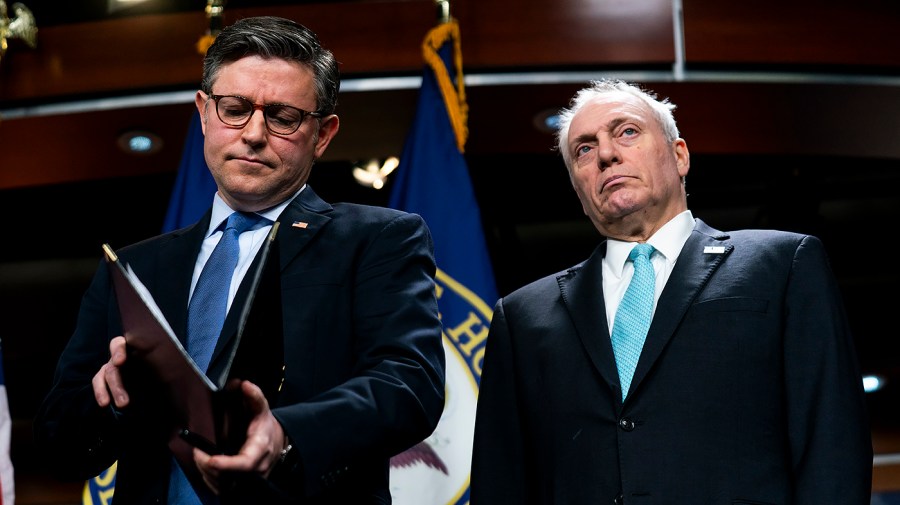
Rising Tensions Within the GOP Over ObamaCare Subsidies
Republican tensions have reached a boiling point in the U.S. Capitol, particularly concerning the fate of expiring ObamaCare subsidies that could significantly influence the upcoming House elections. The dispute has sparked heated debates among members of the party, with moderate Republicans expressing frustration over the leadership's decision to backtrack on plans to extend these subsidies.
Speaker Mike Johnson (R-La.) recently reversed his stance, stating that an amendment to extend the Affordable Care Act (ACA) subsidies would not be considered. This move has drawn sharp criticism from centrist Republicans who had anticipated a vote on Friday as part of a broader health care package set to be debated later in the week.
Rep. Mike Lawler (R-N.Y.) described the decision as “political malpractice,” while Rep. Kevin Kiley (R-Calif.) echoed similar sentiments, highlighting the lack of leadership on this critical issue. The frustration is palpable, as many members feel that a viable compromise was available to address the looming crisis that will hit on December 31.
A Fractured Party Confronts Leadership
The tension escalated during a tense lunch meeting between Republican moderates and Speaker Johnson in a subterranean chamber of the Capitol. Raised voices were heard outside the room as members of the Republican Governance Group confronted Johnson about the amendment vote. Rep. Nicole Malliotakis (R-N.Y.) expressed the frustration of her colleagues, noting that they felt leadership was shutting down a potential solution to a real problem.
This conflict highlights a larger challenge for GOP leaders, who are striving to unify a divided party around a contentious issue—health care. For years, the GOP has struggled with how to handle the ACA, with two unappealing options: either support the law they’ve opposed for 15 years or risk significant cost increases for millions of Americans before the midterms.
Time Is Running Out
With the deadline for enrolling in ACA plans beginning January 1 fast approaching, the GOP’s dilemma has become more urgent. The current situation pits moderate Republicans, who advocate for a temporary subsidy extension, against conservative leaders who want the benefits to lapse.
Despite his initial opposition to the subsidies, Speaker Johnson indicated that there might be ideas on the table that could work. Moderates submitted multiple amendments to the House Rules Committee, some of which included cost-offsetting measures. However, none of these amendments were made in order, leaving moderates without a chance to vote on the issue.
Even if they had managed to secure a vote, their amendment would likely have failed due to strong opposition from conservatives. Moreover, even if Democrats supported such an amendment, it would be seen as a poison pill for the overall GOP health care package.
Sticking to the Plan
Despite not getting a vote on the subsidies, moderates are resisting hard-line tactics that could jeopardize the GOP health care bill. They plan to vote for the bill on Wednesday, aligning themselves with leadership rather than risking the entire package.
The proposed bill includes smaller reforms favored by Republicans but does not address the enhanced subsidies or funding for health savings accounts, which are major priorities for the party. Rep. Mike Lawler emphasized that he is not against the bill itself and would not vote against it out of spite.
Rep. Nicole Malliotakis noted that moderates generally do not want to block legislation just because it isn’t perfect. They believe that advancing good policy is essential, even if it doesn’t meet all their expectations.
Bipartisan Efforts and Discharge Petitions
Moderates have largely dismissed the possibility of signing on to a discharge petition led by House Minority Leader Hakeem Jeffries (D-N.Y.) to extend the subsidies for three years. While all Democrats have signed the petition, it requires signatures from four Republicans to force GOP leadership to bring it to the House floor.
Moderates argue that Jeffries should support one of their bipartisan proposals instead. Two discharge petitions with bipartisan support have been introduced, but Jeffries is expected to push for his own version. Rep. David Valadao (R-Calif.), chair of the Republican Governance Group, criticized this approach, suggesting that Jeffries is making a mistake by not endorsing a compromise measure.
While some moderate members, like Rep. Kevin Kiley, have not ruled out the Jeffries petition, others, like Rep. Jen Kiggans (R-Va.), have decided not to sign it. This internal division within the GOP reflects the complexity of the issue and the challenges of finding a unified path forward.

Post a Comment for "Republican fury grows as Obamacare deadline nears"
Post a Comment