New vs. Old: Mercedes-Benz's Bold Manufacturing Vision
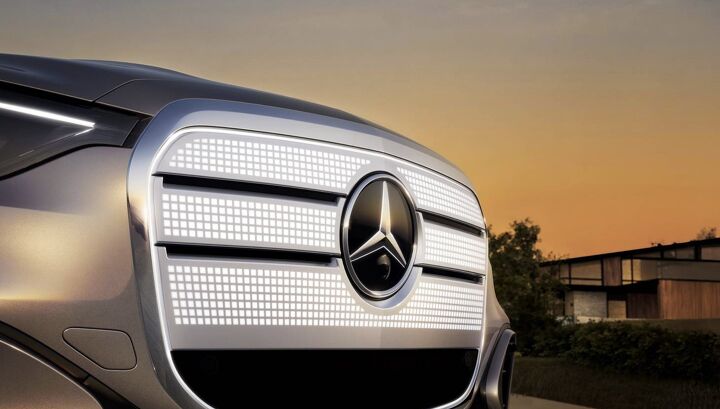
Mercedes-Benz recently unveiled a new initiative aimed at making vehicles more "sustainable" by incorporating some of the traditional methods it once used in manufacturing. However, this is not a complete return to past practices, but rather an effort to blend innovation with environmental goals.
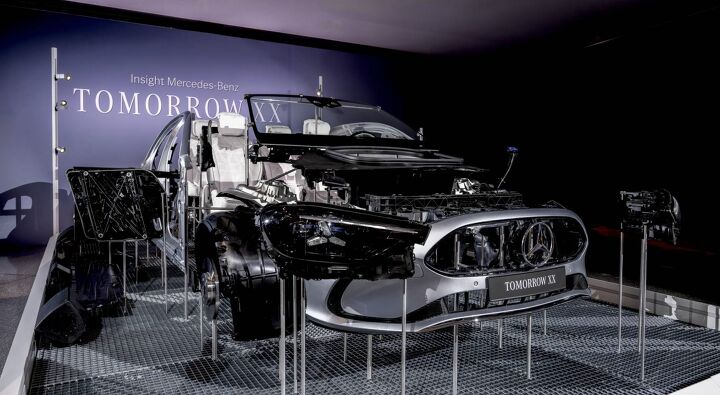
The initiative, called the "Tomorrow XX technology program," focuses on integrating modern advancements with eco-friendly strategies, starting from the design phase. The automaker aims to use more recycled plastics, ideally sourced from retired vehicles, to create a system of "circularity" that supports environmental sustainability.
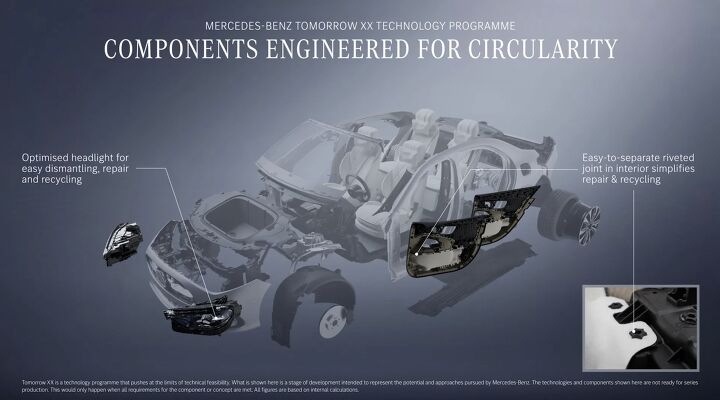
While some may find this concept unexciting, Mercedes-Benz has also considered parts replacement. A common example is headlamps, which have become increasingly complex to service compared to older models. Unlike previous designs that only required a simple bulb swap, modern LED units often necessitate dismantling the front of the vehicle, and sometimes even a full replacement. This can be both time-consuming and costly for consumers, especially when dealing with Controller Area Network (CAN bus) systems.
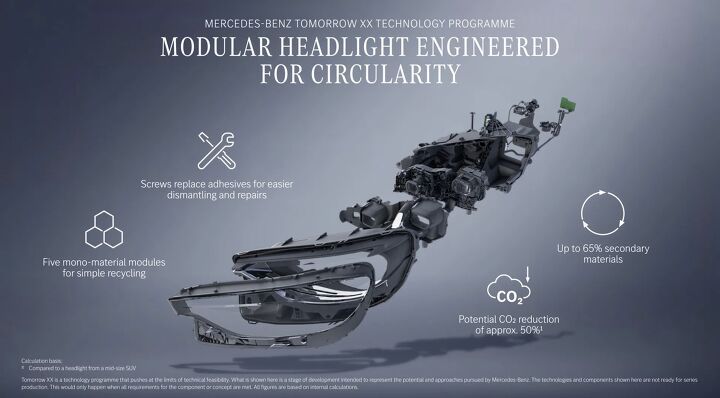
Mercedes-Benz has proposed making certain parts of the headlight more easily replaceable. According to the company, this could extend the lifespan of headlights and reduce repair costs. The design involves using fasteners instead of glue, allowing components like the lens, cover trim, and housing to be separated without damage. This approach could significantly improve repair efficiency and resource conservation.
The headlight concept is also designed to enhance recycling. Each component is made from a single material, making sorting and recycling more efficient. This could lead to a significant increase in the use of recycled materials, potentially doubling the proportion of secondary materials in future headlights while cutting carbon emissions by nearly 50%.
The idea of reducing reliance on adhesives is appealing to many. Components held together by nuts and bolts are generally easier to replace, which could increase vehicle longevity and lower repair costs. While adhesives still have their place—such as minimizing rattling and improving structural rigidity—they can break down over time, especially if of poor quality or exposed to extreme temperatures.
Material quality was another focus of the Tomorrow XX project. Mercedes-Benz suggested using recycled plastics from older vehicles in new models. While this is promising, there are challenges. Recycled plastics tend to be less durable than virgin plastics due to repeated exposure to heat cycles, which can make them brittle. However, they are cheaper and theoretically better for the environment. There are also concerns about microplastics and their potential health impacts.
Despite these drawbacks, modern recycled plastics have improved significantly. Many are stronger than those used decades ago, though they still fall short of the strength of today’s virgin plastics. Mercedes-Benz has also explored using ultrasonic welding and plastic rivets to fuse components, offering a cost-effective and lightweight alternative to metal bolts.
For interior components, the company developed a sandwich composite system using recycled PET. This system features a foam core with a bone-like structure, reducing weight by over 40% compared to traditional materials while maintaining performance. These composites are already used in wheel wells, door pockets, and upholstery, with plans to expand their use further.
Many automakers have replaced metal parts with plastic ones in recent years, such as door arms and control arms. While this can reduce weight and prevent rusting, it's unclear whether this is always beneficial. If plastic components degrade before metal ones would rust, it could be a positive change. However, if they lack sufficient strength or fail prematurely, it could be a disadvantage for consumers.
A lot of these concepts have already been implemented by Mercedes-Benz and other automakers. The key difference now is that the company is pushing further in this direction, aiming to benefit the automaker, customers, and the planet.
However, it's challenging to distinguish genuine improvements from marketing hype. Some changes may not offer real value to drivers, while others may be well-intentioned but poorly executed. Environmentalism and technological evolution have also been used as justifications for cost-cutting measures, such as replacing buttons with touchscreens.
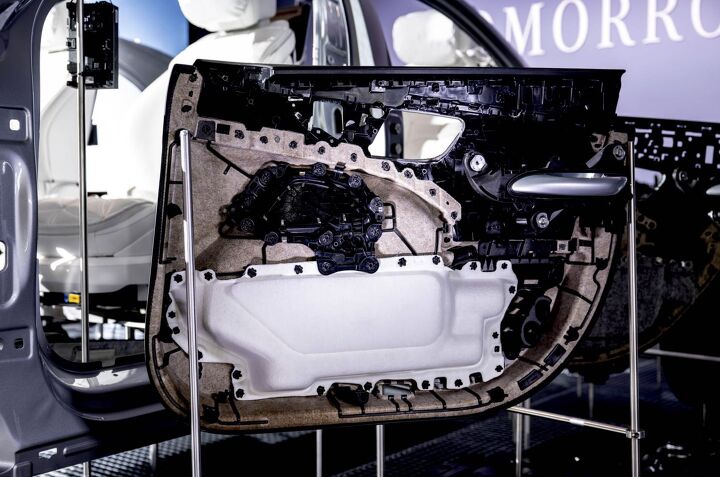
Other aspects of Mercedes’ plan include improving metallurgy and producing aluminum using renewable energy sources. Aluminum has replaced steel in many vehicles due to its lighter weight and resistance to rust. But it's energy-intensive, so Mercedes aims to reduce consumption and use suppliers that prioritize renewable energy. The company also plans to incorporate more recycled aluminum into vehicles.
There are additional ideas, such as using chemicals from old tires to create new materials. Mercedes claims these could serve as high-quality leather alternatives with greater tensile strength and breathability. Old tires could also be manually recycled for noise and vibration reduction, leveraging the insulating properties of tire rubber.
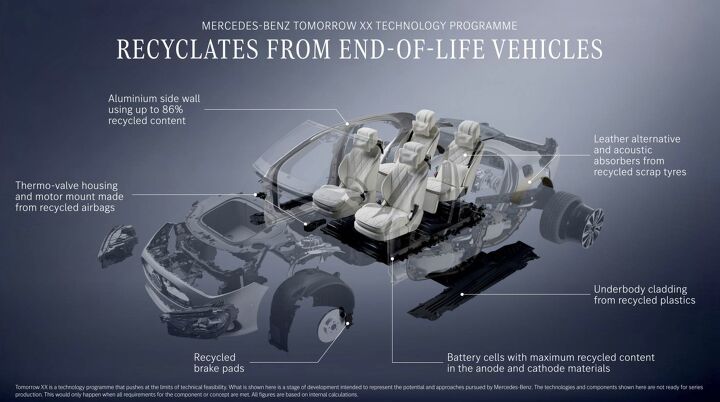
While many of these concepts are not entirely new, Mercedes is looking to expand their use with a focus on recycled materials. This includes underbody cladding, seats, insulation, and brake pads. The goal is to create a closed-loop supply chain where waste materials are repurposed into new components.
Mercedes acknowledges the need for a mixed approach, using both virgin and reclaimed materials. This is standard practice across industries, though the company emphasizes the importance of making more components easily replaceable for customers.
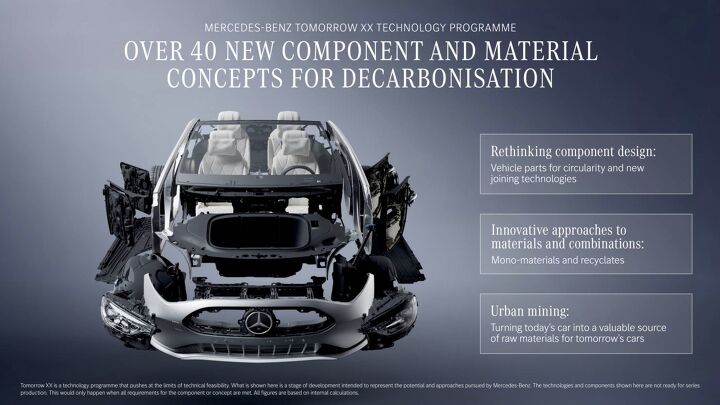
While the timeline for achieving fossil-free plastics remains uncertain, the company is committed to embedding sustainability throughout its operations and supply chain. As Olaf Schick, Member of the Board of Management at Mercedes-Benz Group AG, stated, "Innovation is a key route to achieving this and Tomorrow XX makes clear the huge strides we are taking."
Whether this initiative will truly benefit end users or merely serve as a public relations effort remains to be seen. However, the focus on easier parts replacement and sustainable materials is a step in the right direction. Only time will tell how these changes manifest in future production models.

Post a Comment for "New vs. Old: Mercedes-Benz's Bold Manufacturing Vision"
Post a Comment