Lawmakers Veto Gov. Moore on Reparations and Climate Studies
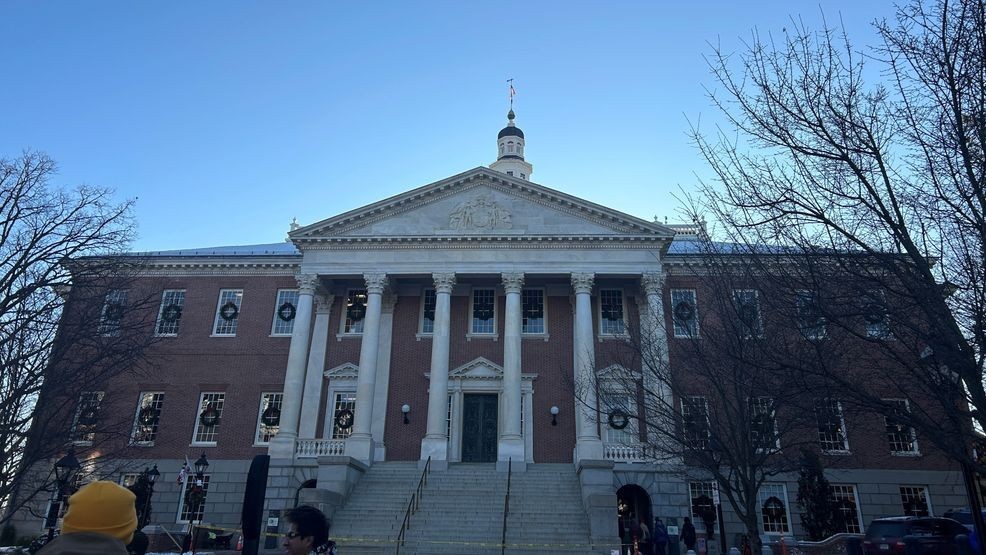
Maryland Lawmakers Overrule Governor's Veto on Reparations Commission
Following the election of a new Speaker of the Maryland House of Delegates, lawmakers convened for a one-day special session to address several key issues. Among the topics under discussion was the override of vetoes issued by Gov. Wes Moore. This included bills related to data centers, climate change research, and most notably, a bill to establish a reparations commission in Maryland.
The reparations commission bill had been a significant priority for the Legislative Black Caucus during the 2025 session. The legislation aimed to create a commission tasked with studying what providing reparations might look like in the state. Both chambers of the legislature passed the bill, but Gov. Moore chose to veto it, citing concerns about the necessity of another study at this time.
In his veto letter, Gov. Moore expressed his belief that now was not the right moment for additional studies, emphasizing the need for immediate action that delivers tangible results for the people of Maryland. He later expanded on these views during podcast appearances, reinforcing his stance that the study was unnecessary and even described it as paternalistic. His comments and the veto itself were met with mixed reactions from various stakeholders.
During the Senate floor debate, Sen. Charles Sydnor, a Democrat from Baltimore County, challenged the governor’s position. Sydnor argued that the study was essential to determine the practicalities of reparations in Maryland. He emphasized that the establishment of the commission would not hinder the governor from taking swift action if he so desired.
The Senate ultimately voted to override the governor’s veto, sending the proposal to the House. Newly appointed Speaker Joseline Pena-Melnyk guided the chamber through the override process, ensuring the legislative steps were followed.
The debate in the House was more extended, with House Minority Leader Jason Buckel, a Republican from Western Maryland, expressing concerns about the vagueness of the legislation. Buckel questioned whether a commission was necessary when the issue had already been studied, highlighting uncertainties regarding who would qualify for reparations, funding sources, and eligibility criteria.
He humorously noted that some individuals might argue the commission's purpose is to explore these very questions. However, Buckel maintained that the open-ended nature of the language in the bill was a significant concern.
Del. Mark Fisher, a Republican, and Del. Gabriel Acerverno, a Democrat, briefly engaged in a discussion about the timing of potential reparations. Speaker Pena-Melnyk reminded them that the debate should remain focused on the issues rather than personal disagreements.
In the end, both the House and Senate voted to override Gov. Moore’s veto on the reparations commission. Despite this decision, many questions remain about how the plan will be implemented moving forward.
Gov. Moore responded to the override by emphasizing the importance of agreeing to disagree, stating that democracy is strongest when differing opinions are respected. While he disagreed with the decision to override some of his vetoes, he acknowledged the General Assembly's constitutional authority.
Moore also pointed out that some of the bills passed by the legislature included unfunded mandates or required multi-year studies. He stressed the need to prioritize policies that protect Marylanders, especially given the impacts of previous administration policies.
As the legislative session concludes, the General Assembly will reconvene in Annapolis for the 90-day session on January 14, 2026.

Post a Comment for "Lawmakers Veto Gov. Moore on Reparations and Climate Studies"
Post a Comment