How to Create Interactive PDFs with Adobe Acrobat
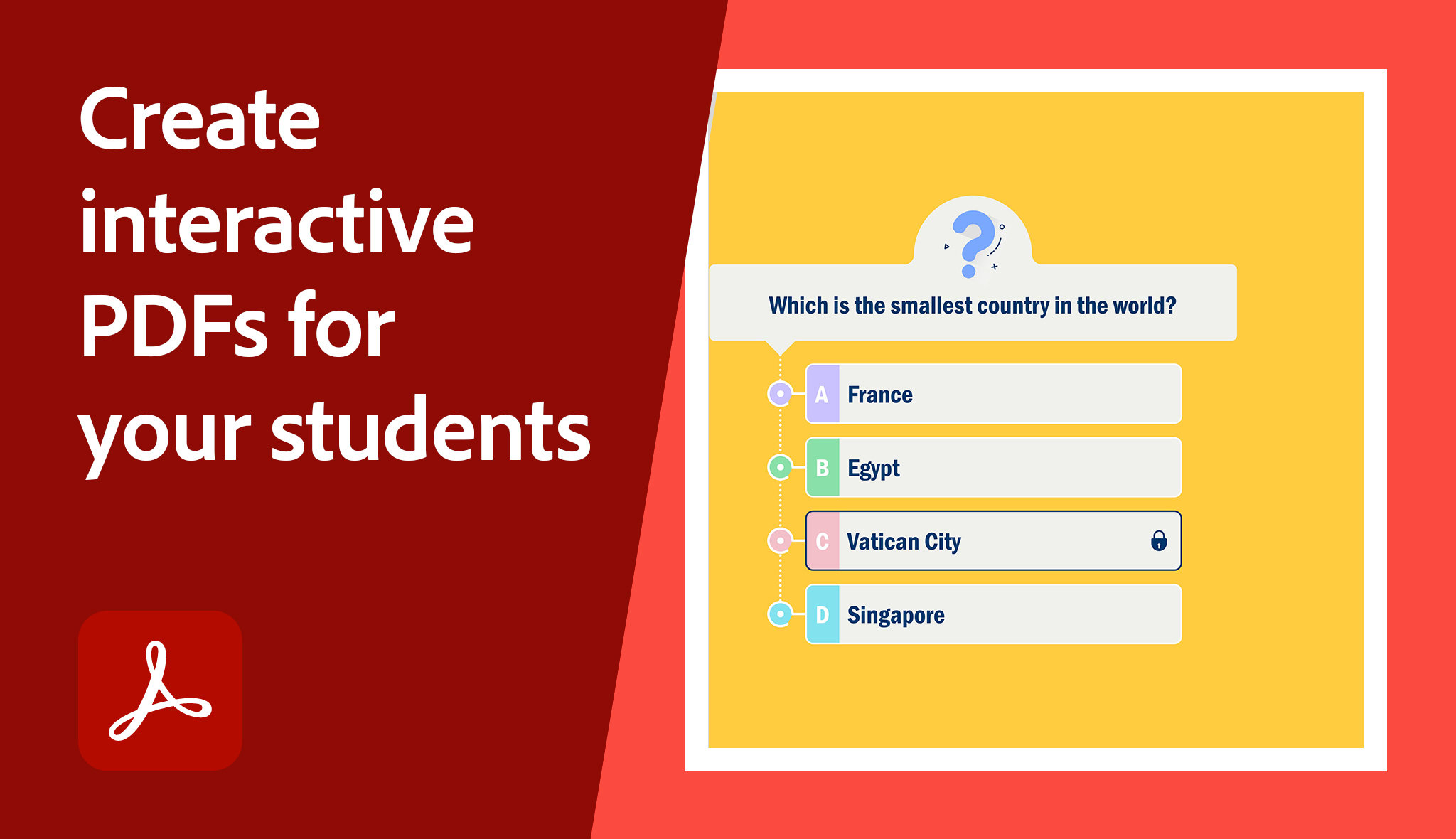
Crafting Killer PDFs: Turning Static Documents into Interactive Experiences
Hey there, PDF Power Users!
Ever feel like your PDFs are just… blah? Like serving a gourmet meal on a paper plate? You’ve got all this great content, but it’s trapped in a static, unengaging format. Let’s be honest, most PDFs end up being digital paperweights, glanced at and then forgotten. We've all been there. You spend hours crafting the perfect brochure, report, or presentation, only to have it land with a thud in someone's inbox, never to be trulyexperienced. It’s like building a beautiful house and then locking all the doors and windows – nobody gets to truly appreciate what’s inside.
Think about it: how many times have you received a PDF, scrolled through it listlessly, and then promptly forgotten about it? Probably more times than you’d like to admit. And that's a problem, especially if you're using PDFs for business. You want people tointeractwith your content, to click on links, fill out forms, watch videos, and truly engage with your message. You want your PDFs to be more than just digital documents; you want them to beexperiences.
The truth is, in today's digital landscape, static PDFs are simply not cutting it. People expect more. They crave interactivity. They want to be able to click, scroll, watch, and engage. If your PDFs are not delivering on that expectation, you're missing out on a huge opportunity to connect with your audience and achieve your goals. Imagine a world where your PDFs aren't just documents, but dynamic, engaging experiences that captivate your audience, drive action, and leave a lasting impression. Sounds pretty good, right?
So, what’s the solution? The answer, my friends, is simple: interactive PDFs! And the secret weapon for creating these interactive masterpieces? Adobe Acrobat. Yes, that seemingly ubiquitous software you’ve probably had on your computer for years is actually a powerhouse of interactive PDF creation. Think of Adobe Acrobat as your PDF Swiss Army knife – it’s got all the tools you need to transform your static documents into dynamic, engaging experiences. It's not just about reading anymore; it's about doing, exploring, and truly connecting with the content. Forget those boring, flat documents; let’s bring your PDFs to life!
But wait, you might be thinking, "Creating interactive PDFs sounds complicated! I'm not a designer or a tech guru!" And that's perfectly understandable. Many people are intimidated by the idea of creating interactive PDFs. They assume it requires advanced design skills or complex coding knowledge. But the good news is that with Adobe Acrobat, it's actually much easier than you might think. The software is packed with intuitive tools and features that make it accessible to users of all skill levels. You don't need to be a design expert or a coding whiz to create stunning interactive PDFs. All you need is a little guidance and a willingness to experiment. Think of it as learning a new recipe – once you understand the basic ingredients and steps, you can start experimenting and creating your own unique variations.
Maybe you’re thinking, "Yeah, but are interactive PDFsreallyworth the effort?" Absolutely! The benefits of interactive PDFs are numerous and far-reaching. They can increase engagement, improve user experience, enhance branding, and even drive conversions. Imagine a sales brochure that not only showcases your products but also includes interactive elements like videos, 3D models, and clickable call-to-action buttons. Or a training manual that incorporates quizzes, simulations, and interactive diagrams to help employees learn more effectively. The possibilities are endless!
Interactive PDFs are the future of document sharing. They’re the key to unlocking the full potential of your content and engaging your audience in a meaningful way. In a world of information overload, standing out from the crowd is more important than ever. And interactive PDFs are a powerful tool for doing just that. They allow you to create memorable experiences that capture attention, drive engagement, and leave a lasting impression. So, are you ready to ditch the digital paperweights and start creating killer interactive PDFs? Stick with me, and I'll show you how!
Ready to learn how to transform those dull PDFs into engaging experiences that your audience will actually love? Let's dive in and unlock the secrets of interactive PDF creation with Adobe Acrobat!
Unlocking the Power of Interactive PDFs with Adobe Acrobat
Alright, friends, let’s get down to brass tacks. We're going to transform you from a PDF pedestrian into a PDF Picasso. This isn't just about making things look pretty (although we'll definitely cover that!), it’s about creating documents that actively engage your audience, deliver your message effectively, and ultimately, get results. We will walk you through everything you need to know to create interactive PDFs that not only look great but also deliver a compelling and engaging experience for your audience.
Before we start, it’s important to understandwhyinteractive PDFs are so powerful. Think about the last time you received a long, text-heavy PDF. Did you read it cover to cover? Probably not. Our attention spans are shrinking, and we’re constantly bombarded with information. Interactive elements help break up the monotony, keep readers engaged, and make information more digestible. It's like the difference between reading a textbook and playing an educational video game – which one are you more likely to remember?
Now, let's jump into the magical world of interactive PDFs with Adobe Acrobat. Here's a step-by-step guide to transform your static PDFs into dynamic experiences that will wow your audience:
Adding Buttons: Making Actions Clickable
One of the easiest ways to make your PDFs more interactive is by adding buttons. Buttons allow users to take specific actions, such as navigating to a different page, opening a website, submitting a form, or playing a video. Think of them as digital doorways, guiding your users through your content and prompting them to take action.
- Start by opening your PDF in Adobe Acrobat.
- Go to the "Tools" pane and select "Prepare Form". Acrobat will automatically detect any form fields in your document.
- To add a button, click on the "Button" icon in the toolbar.
- Drag and draw a rectangle where you want your button to appear.
- In the Button Properties dialog box, give your button a name. This is important for accessibility and scripting.
- Go to the "Appearance" tab to customize the button's look and feel. You can change the border, background color, text color, and font. Make sure your button stands out and is easy to see.
- Go to the "Options" tab to add a label to your button. This is the text that will appear on the button itself. Use clear and concise language that tells users what the button does. For example, "Download Now," "Learn More," or "Contact Us."
- Go to the "Actions" tab to define what happens when the button is clicked. You can choose from a variety of actions, such as "Go to a page view," "Open a web link," "Submit a form," or "Play a multimedia file."
- Configure the action settings according to your needs. For example, if you choose "Open a web link," you'll need to enter the URL of the website you want to open.
- Test your button by clicking on it in the preview mode. Make sure it performs the action you intended.
Real-Life Example: Imagine you're creating a digital brochure for a new product. You could add a "Buy Now" button that takes users directly to the product page on your website. Or, you could add a "Watch Video" button that plays a video demonstration of the product.
Hyperlinking: Connecting to the Digital World
Hyperlinks are another essential element of interactive PDFs. They allow you to link to websites, email addresses, or other pages within your document. Think of them as digital bridges, connecting your PDF to a wealth of online resources.
- Open your PDF in Adobe Acrobat.
- Go to the "Tools" pane and select "Edit PDF".
- Select the text or image you want to turn into a hyperlink.
- Right-click on the selected text or image and choose "Create Link".
- In the Create Link dialog box, choose the type of link you want to create. You can link to a "Web Page," a "File," or a "Named Destination."
- If you choose "Web Page," enter the URL of the website you want to link to.
- If you choose "File," select the file you want to link to.
- If you choose "Named Destination," select the named destination you want to link to within your document.
- Customize the appearance of your hyperlink by changing the color, style, and thickness of the link border.
- Test your hyperlink by clicking on it in the preview mode. Make sure it opens the correct website or file.
Real-Life Example: In a research paper, you can hyperlink citations to the original source materials. In a company report, you can hyperlink key terms to definitions or related documents. The possibilities are endless!
Adding Videos and Audio: Bringing Your PDF to Life
Want to really grab your audience's attention? Embed videos and audio directly into your PDF! This is a fantastic way to add visual appeal, explain complex concepts, or simply make your document more engaging. It's like turning your PDF into a mini multimedia experience.
- Open your PDF in Adobe Acrobat.
- Go to the "Tools" pane and select "Rich Media".
- Choose the type of media you want to add. You can add "Video" or "Sound".
- Drag and draw a rectangle where you want your video or audio player to appear.
- In the Insert Video or Insert Sound dialog box, select the video or audio file you want to embed.
- Customize the player controls and appearance. You can choose to show or hide the play, pause, and volume controls. You can also add a poster image to the video player.
- Set the playback options, such as whether the video should play automatically or loop.
- Test your video or audio by clicking on the play button in the preview mode. Make sure it plays correctly and that the controls are working.
Real-Life Example: Imagine you're creating a training manual for a new software program. You could embed short video tutorials directly into the PDF to show employees how to use the software. Or, you could add audio narration to explain complex concepts.
Form Fields: Collecting Information with Ease
Interactive form fields are a powerful tool for collecting information from your audience. You can add text fields, checkboxes, radio buttons, dropdown menus, and more. Think of them as digital questionnaires, allowing you to gather valuable data from your readers.
- Open your PDF in Adobe Acrobat.
- Go to the "Tools" pane and select "Prepare Form". Acrobat will automatically detect any form fields in your document.
- To add a form field, click on the corresponding icon in the toolbar. You can choose from a variety of form field types, such as "Text Field," "Checkbox," "Radio Button," "Dropdown List," and "Button".
- Drag and draw a rectangle where you want your form field to appear.
- In the Field Properties dialog box, give your form field a name. This is important for data collection.
- Customize the appearance and behavior of your form field. You can change the font, size, color, and alignment of the text. You can also set validation rules to ensure that users enter data in the correct format.
- For dropdown lists and radio buttons, you'll need to add the available options.
- Test your form fields by filling them out in the preview mode. Make sure they function correctly and that the data is being collected properly.
Real-Life Example: You can use form fields to create registration forms, surveys, feedback forms, and order forms. The possibilities are endless!
Bookmarks: Navigating Large Documents with Ease
For long documents, bookmarks are essential for navigation. They allow users to quickly jump to specific sections of the PDF. Think of them as digital chapter markers, helping your readers find the information they need quickly and easily.
- Open your PDF in Adobe Acrobat.
- Go to the "View" menu and select "Show/Hide" -> "Navigation Panes" -> "Bookmarks".
- The Bookmarks pane will appear on the left side of the screen.
- To add a bookmark, navigate to the page you want to bookmark.
- Click on the "New Bookmark" icon in the Bookmarks pane.
- Give your bookmark a descriptive name.
- You can create nested bookmarks to create a hierarchical table of contents.
- Click on a bookmark to jump to the corresponding page.
Real-Life Example: In a long report, you can create bookmarks for each chapter or section. In a user manual, you can create bookmarks for each topic or feature.
Page Transitions: Adding Visual Flair
Page transitions add a touch of visual flair to your PDFs. They control how pages appear and disappear when you navigate through the document. Think of them as digital curtain calls, adding a smooth and professional transition between pages.
- Open your PDF in Adobe Acrobat.
- Go to the "Tools" pane and select "Organize Pages".
- Select the pages you want to apply a page transition to.
- Right-click on the selected pages and choose "Page Transitions".
- In the Page Transitions dialog box, choose the transition effect you want to use. You can choose from a variety of effects, such as "Fade," "Wipe," "Slide," and "Box".
- Customize the duration and direction of the transition.
- Apply the transition to the selected pages.
- Test the page transitions by navigating through the document in the preview mode.
Real-Life Example: You can use page transitions to create a more visually appealing presentation or slideshow. You can also use them to add a touch of professionalism to your documents.
Accessibility Considerations: Making Your PDFs Usable for Everyone
It’s crucial to make your interactive PDFs accessible to everyone, including people with disabilities. This means ensuring that your documents are compatible with screen readers and other assistive technologies. Think of it as digital inclusion, making your content available to everyone, regardless of their abilities.
- Use proper heading structures (H1, H2, H3, etc.) to organize your content. This helps screen readers understand the structure of your document.
- Add alternative text (alt text) to all images. This provides a text description of the image for users who cannot see it.
- Use sufficient color contrast between text and background. This makes it easier for people with visual impairments to read your text.
- Ensure that all interactive elements, such as buttons and form fields, are properly labeled and accessible via keyboard.
- Use the Acrobat Accessibility Checker to identify and fix any accessibility issues in your document.
By following these guidelines, you can create interactive PDFs that are not only engaging but also accessible to everyone.
Remember, friends, creating interactive PDFs is a journey, not a destination. Don't be afraid to experiment, try new things, and have fun! The more you practice, the better you'll become at creating engaging and effective PDFs that wow your audience.
Frequently Asked Questions
Let's tackle some common questions that often pop up when discussing interactive PDFs.
Q: Do I need a special version of Adobe Acrobat to create interactive PDFs?
A: While Adobe Acrobat Reader is great for viewing PDFs, you'll need Adobe Acrobat Standard or Pro to create and edit interactive elements. Think of Reader as the "viewer" and Standard/Pro as the creator.
Q: Can I create interactive PDFs on a Mac or only on Windows?
A: Good news! Adobe Acrobat works seamlessly on both Mac and Windows operating systems. So, whether you're a Mac enthusiast or a Windows devotee, you can create interactive PDFs with ease.
Q: Will interactive PDFs work on all devices, including smartphones and tablets?
A: Generally, yes! But it's always a good idea to test your PDFs on different devices to ensure that the interactive elements are working correctly and that the document is displaying properly. Some older devices or PDF viewers may not fully support all interactive features.
Q: How do I protect my interactive PDF from being edited by others?
A: Adobe Acrobat offers various security features that allow you to restrict editing, printing, and copying of your PDF. You can set a password to prevent unauthorized access and editing. Go to "File" -> "Protect Using Password" to explore these options.
Wrapping It Up: Your Interactive PDF Adventure Begins Now!
So, there you have it, friends! You’ve journeyed through the landscape of interactive PDFs, armed with the knowledge and tools to transform your static documents into dynamic experiences. We’ve covered everything from adding buttons and hyperlinks to embedding videos and creating interactive form fields. You now know how to turn a boring document into an engaging experience that your audience will love.
Think back to those dull, lifeless PDFs you used to create. Remember the frustration of knowing your content wasn't reaching its full potential? Now, you have the power to change that. You can create PDFs that captivate attention, drive engagement, and deliver results.
But knowledge is only power when it’s put into action. So, here's your call to adventure: Open up Adobe Acrobat, dust off one of your existing PDFs, and start experimenting! Add a button, create a hyperlink, embed a video – play around and see what you can create. The more you practice, the more confident you'll become, and the more amazing your interactive PDFs will be.
Don't be afraid to get creative and push the boundaries of what's possible. Remember, the best interactive PDFs are those that are not only functional but also visually appealing and engaging. So, let your imagination run wild and create PDFs that truly stand out from the crowd.
The world of interactive PDFs is constantly evolving, with new features and technologies emerging all the time. So, stay curious, keep learning, and never stop exploring new ways to enhance your PDFs. The more you invest in your skills, the more valuable your PDFs will become.
Now go forth and create some truly killer interactive PDFs! Transform those digital paperweights into engaging experiences and watch your audience connect with your content in a whole new way. I believe in you! What exciting interactive PDF will you create today?

Post a Comment for "How to Create Interactive PDFs with Adobe Acrobat"
Post a Comment