How Long Can You Wait to Inflate Tires When Temperatures Drop?
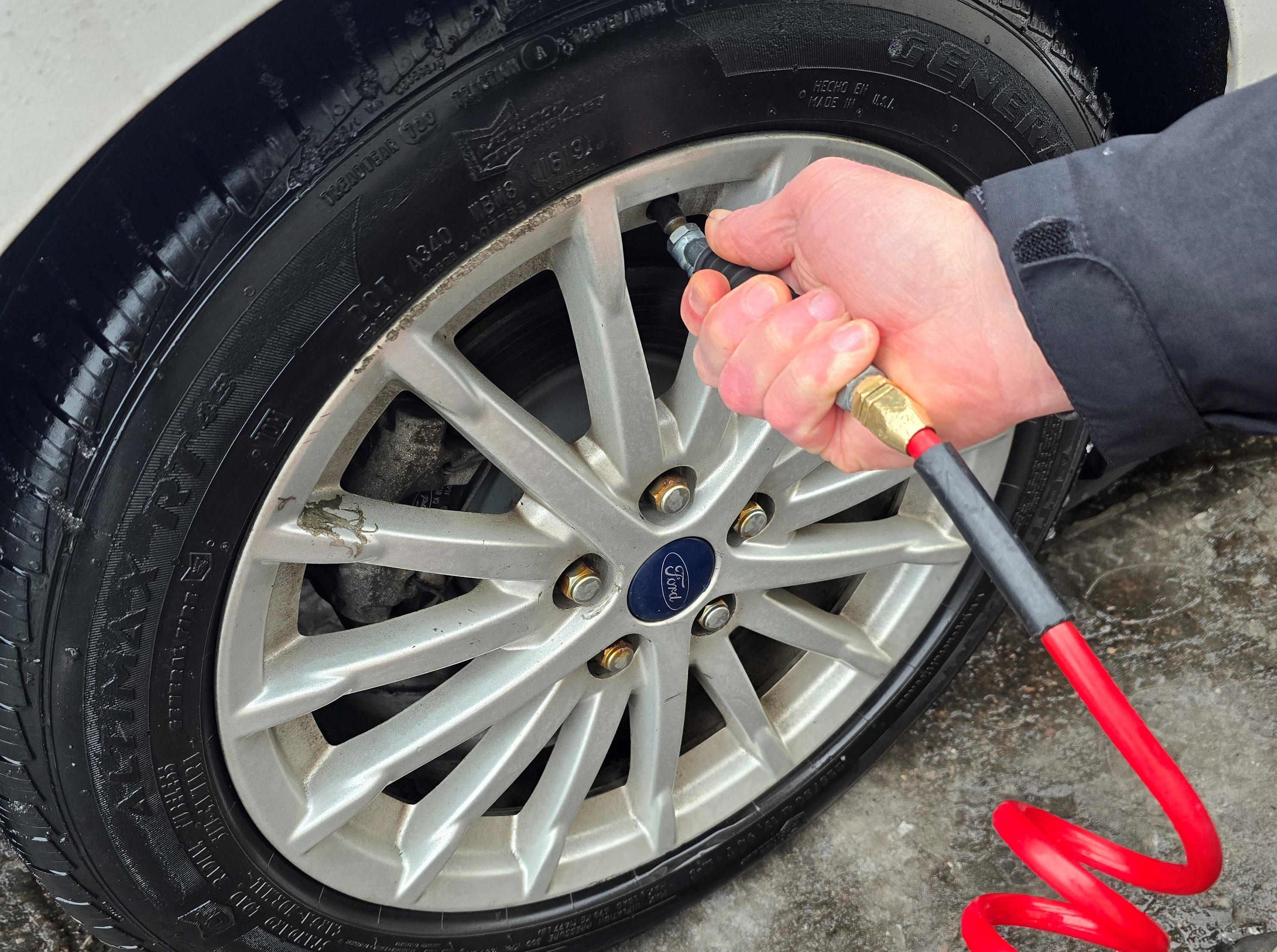
As temperatures drop, so does the air pressure in your tires. This month, the orange exclamation point warning light flickered on in my vehicle. Since 2008, tire pressure monitoring systems have been a standard feature in all new vehicles sold in the United States. While more advanced systems can display the exact pressure of each tire, my older used car only alerts me when it's time to check.
On a recent visit to Belle Tire in Livonia, Michigan, I joined a long line of cars waiting for their turn at the air pressure machine. Robert Priebe, the store manager, greeted me outside and walked me through the process.
The Risks of Low Tire Pressure
Driving with low tire pressure can lead to serious issues. It starts with deflation in the center of the tires, which wears them down over time. This also causes the vehicle to use more energy to move forward on uneven wheels. In extreme cases, too little pressure can even cause a tire to burst.
"If you hit a pothole when your tire is low, it could damage the wheel, leading to more severe problems," Priebe explained.
Key Tips for Maintaining Proper Tire Pressure
Here are some important things to keep in mind:
-
Know your tire pressure
Check the sticker on the driver's side door for the manufacturer's recommended tire pressure. You should also find this number on the tire's sidewall. Electric vehicle and hybrid drivers should note that the recommended pressure may be higher due to the added weight of the vehicle. For example, Belle Tire’s machine automatically sets to 32 pounds per square inch, but the recommended pressure for my Hybrid Ford C-Max was 40 pounds per square inch. -
Don't always trust your eyes
Unless the tire has visibly bulged where it touches the road, it's difficult to tell if the pressure is off just by looking. -
Understand types of air
"Special air" doesn’t offer significant benefits. Nitrogen is an alternative to oxygen when filling tires because it maintains inflation pressure longer than compressed air, especially in fluctuating temperatures. According to AAA, this is why it's used in airplane tires. However, since it doesn’t completely eliminate temperature-related pressure changes under normal driving conditions, AAA advises against using it unless tires are already properly maintained. -
Consider outside temperature
Don’t worry about rising temperatures. Unless you plan to overfill the tires, there's a very small chance that vehicle tires will pop when the weather gets warmer. -
How long it takes for the system to register changes
After inflating a tire, pay attention for the next half hour of driving. Priebe said it takes about 20 minutes of driving at roughly 20 mph for the vehicle to recognize the change in tire pressure and turn off the light.
What If the Tire Light Comes Back On?
If the tire pressure light comes back on, monitor your tires for the next 48 hours. Driving on underinflated tires can create weak spots that might fail later, even after the tires are back to the correct pressure. If the light returns, it could mean one of the tires is low again, indicating a possible leak. In such cases, the tire may need a patch or replacement.
Have the Right Tools
Priebe recommends keeping a tire pressure gauge and tire inflator in your trunk. These tools are not only practical but also make great gifts. You can find inflators online for around $40, depending on the retailer.
By staying informed and proactive about tire maintenance, you can ensure safer and more efficient driving, especially during seasonal temperature changes.

Post a Comment for "How Long Can You Wait to Inflate Tires When Temperatures Drop?"
Post a Comment