First Immigrant Speaker Elected in Maryland House During Special Session
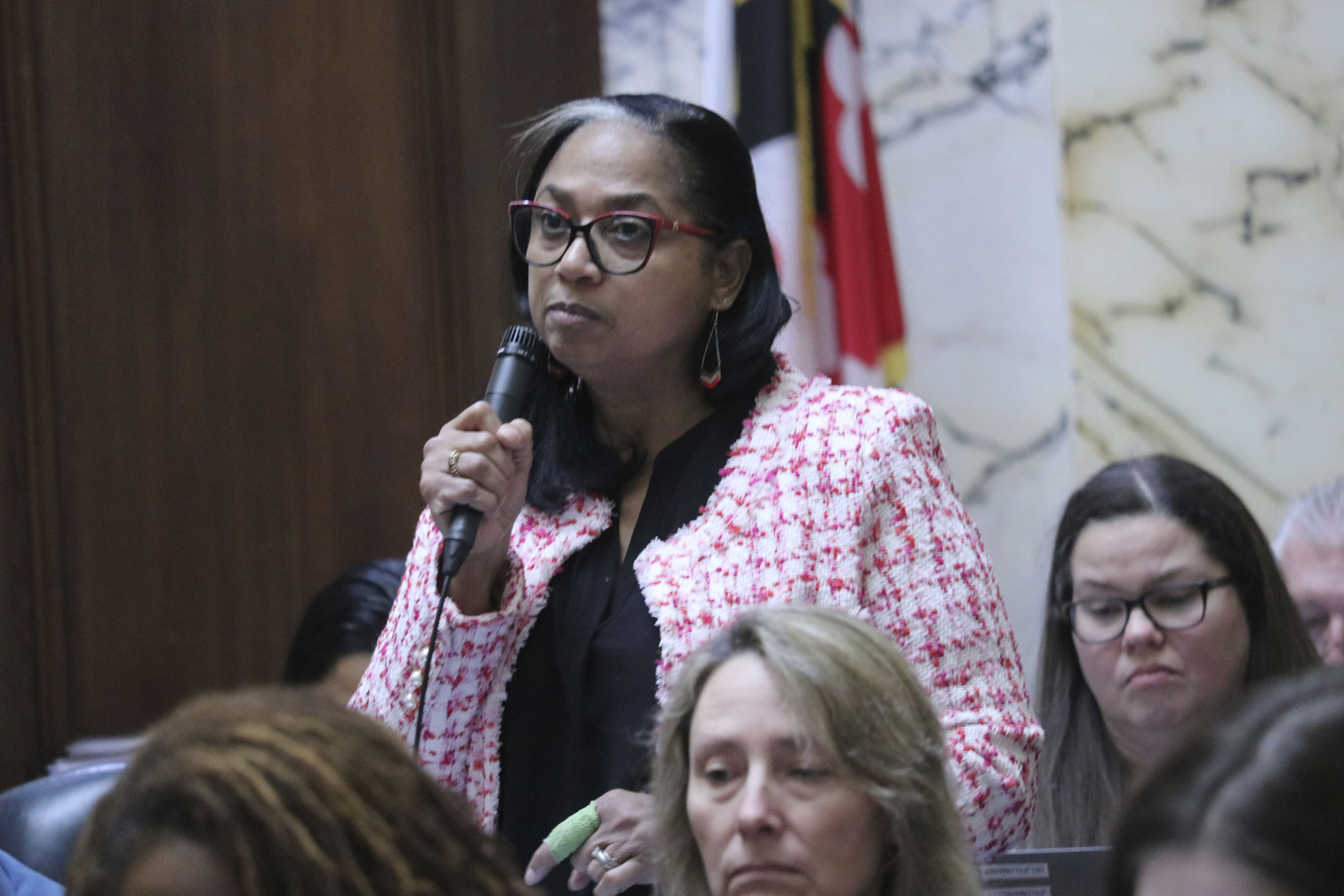
Maryland Lawmakers Convene for Special Session
Maryland lawmakers recently returned to Annapolis for a one-day special legislative session, marking a significant moment in the state's political landscape. The primary objectives of this session were to select a new speaker for the House of Delegates and to override 18 vetoes issued by Governor Wes Moore. Among these vetoes was his rejection of a bill aimed at studying reparations for descendants of enslaved people.
The special session did not address congressional redistricting, which has been a contentious issue among legislators. This matter will be revisited during the General Assembly’s regular session, scheduled to begin in January.
A Historic Leadership Change
During the session, delegates elected Joseline A. Peña-Melnyk, a Democrat representing parts of Prince George’s and Anne Arundel counties, as the new speaker of the House of Delegates. This appointment is historic, as Peña-Melnyk becomes the first immigrant and Afro-Latina woman to hold this prestigious position in the state.
Born in the Dominican Republic, Peña-Melnyk shared her personal journey during a speech following her swearing-in. She recounted growing up in a home without indoor plumbing and facing financial hardships before moving to the United States at the age of 8. These experiences, she explained, have shaped her approach to politics and leadership.
“I do not share these memories for sympathy, but for truth,” she stated. “They are reminders of where I come from and the resilience that hardship can forge.”
Peña-Melnyk emphasized her commitment to inclusivity and working across the aisle to respect differing opinions within the House. Her leadership style is expected to foster collaboration and unity among legislators.
A Smooth Transition
The process of selecting a new speaker unfolded with minimal public dispute, unlike the 2019 election, which saw a divisive contest among Democratic candidates. Peña-Melnyk secured enough support from the Democratic caucus, which holds a supermajority in the House.
After serving for 18 years in the General Assembly, Peña-Melnyk will lead the House through a legislative session addressing several critical issues, including a $1.4 billion budget deficit, immigration policy, rising healthcare costs, and the push for congressional redistricting.
Peña-Melnyk pledged to prioritize policies that ensure a more just future while addressing Maryland’s budget challenges. She stressed the need for tough decisions on spending while protecting working families.
Recognition and Support
Peña-Melnyk received nominations from her district mate Del. Mary A. Lehman and Legislative Black Caucus chair Jheanelle K. Wilkins, who highlighted her historic rise to leadership. Delegates shared stories about her dedication, including visiting constituents at graduation ceremonies and hospitals.
“She puts her heart and soul into everything she does,” said Del. Ben Barnes, who represents the same district as the new speaker. Peña-Melnyk has spent nearly two decades in the State House pushing for left-leaning policies, working as a criminal defense attorney and later as a prosecutor for the U.S. attorney’s office.
State Sen. James C. Rosapepe described Peña-Melnyk as a “pragmatic progressive” with a knack for building consensus. He compared her leadership style to that of U.S. Rep. Nancy Pelosi (D-California), noting her ability to get things done.
Overriding Vetoes and Political Dynamics
In addition to electing a new speaker, lawmakers voted to override 18 of Moore’s vetoes, a notable move given the political alignment between the legislature and the governor. When former Republican governor Larry Hogan was in office, the General Assembly often overturned most of his vetoes, including those related to expanding abortion access and creating a statewide paid family leave program.
One of the overridden vetoes involved a bill to form a commission to study the economic harm to Black descendants of enslaved people in Maryland. Moore, the nation’s only Black governor, had expressed concerns about the veto, focusing on addressing the state’s economic challenges under federal policy changes.
Sen. Charles E. Sydnor III argued that the reparations commission is essential to ensure credibility rooted in objective findings. “The commission is not about blaming individuals, it’s about fixing systems,” he said.
Legislative Priorities and Future Challenges
Lawmakers also overturned Moore’s veto of the RENEW Act, which includes a study of climate change impacts across the state. Despite his prior veto, Moore reversed his position and agreed to fund the $500,000 climate study.
Moore acknowledged the legislature’s constitutional authority to override his vetoes but maintained concerns about unfunded mandates and multiyear analyses. He expressed hope for partnership with the General Assembly to drive results that improve life for Marylanders.
Despite pressure from Moore and national Democrats, the General Assembly did not address congressional redistricting during the special session. This issue will likely resurface when the legislature reconvenes in January. State lawmakers are set to return to Annapolis on Jan. 14 for the start of the 90-day legislative session.

Post a Comment for "First Immigrant Speaker Elected in Maryland House During Special Session"
Post a Comment