Democrats and Republicans Warn of Tight State Budgets
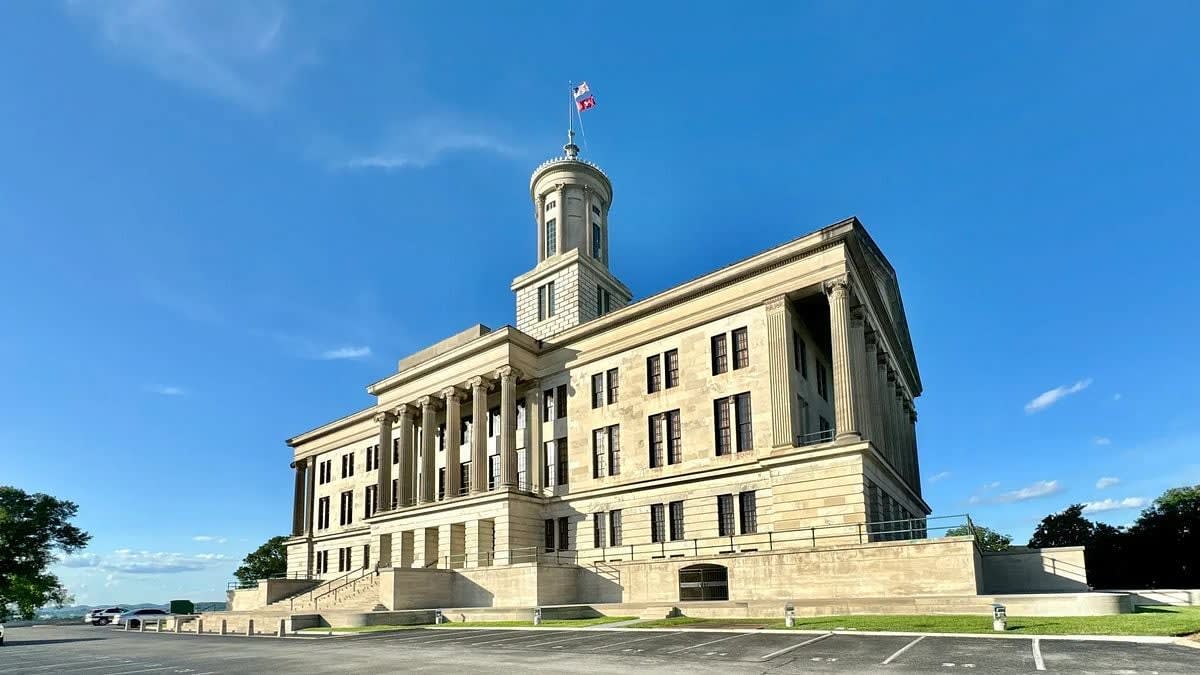
Tennessee Faces a Challenging Budget Year
As the new legislative session approaches, Tennessee lawmakers are preparing for what is expected to be a difficult budget year. With Governor Bill Lee set to present his proposal in January, both Republican and Democratic leaders acknowledge that fiscal constraints will play a significant role in shaping the state's financial decisions.
The State Funding Board has projected modest economic growth of just over 2.3%, which adds pressure on budget writers as they navigate competing priorities. During recent budget hearings, departments submitted requests totaling $1.3 billion for new funding, highlighting the growing demands on state resources.
Sen. Bo Watson, chair of the Senate Finance, Ways and Means Committee, noted that while the economy may seem to be slowing down, the real challenge stems from the reduction in federal funds that were previously available through pandemic-related support. "State budgets are returning to a more normal growth pattern," Watson said in an interview with The Center Square. This shift means that the state must rely more heavily on its own revenue sources, which could limit the ability to address rising costs in key sectors like education and healthcare.
Sen. Jeff Yarbro, a Democrat from Nashville, echoed these concerns, emphasizing that the combination of a slowing economy and federal cuts will make the upcoming budget even more complex. "The needs just keep piling up," Yarbro said. He pointed out that many of the increases in state spending are driven by inflationary pressures, particularly in areas such as healthcare and childcare. Additionally, he highlighted the impact of recent corporate tax cuts approved by the General Assembly in 2024, which have further strained the state’s finances.
Yarbro also expressed concerns about the expansion of the Education Freedom Scholarships, a program that allows families to use state funds for private school tuition. While the governor and House Speaker Cameron Sexton have discussed doubling the size of this initiative, Yarbro warned that it could lead to long-term financial challenges. "This could become a billion-dollar problem for the state if not managed carefully," he said.
Watson acknowledged that the Education Freedom Scholarships will be a topic of discussion during the session. He emphasized that the program was designed to grow without jeopardizing the state budget. However, adding 20,000 scholarships would require approximately $145 million in recurring funds, which raises questions about how the state can afford such an expansion.
Affordability has become a central theme in both political campaigns and legislative discussions. According to a report from the Sycamore Institute, nearly 643,000 Tennesseans rely on insurance through the Affordable Care Act. If Congress allows the current subsidies to expire, between 142,000 and 203,000 residents could lose their coverage. This potential loss of federal support is another challenge for the state as it balances its budget.
Yarbro criticized the lack of action on these issues, noting that Tennesseans have not seen any benefits from recent tax cuts but are still feeling the effects of reduced federal services. "People are seeing the cuts and they're feeling the cuts," he said. "It’s time for meaningful solutions to address the affordability crisis."
Another area of debate is the state grocery tax, which Watson described as one of the most stable and reliable sources of revenue. Although both parties introduced bills last year to eliminate the tax, none succeeded. Watson indicated that the issue will likely resurface in the coming session, along with other potential tax reforms, such as the elimination of the professional privilege tax, which has been a long-standing Republican priority.
The 2026 session of the Tennessee General Assembly is set to begin on January 13, marking the start of a critical period for budget negotiations and policy decisions. With a tight budget outlook and rising costs across multiple sectors, lawmakers face the challenge of balancing fiscal responsibility with the needs of Tennesseans.

Post a Comment for "Democrats and Republicans Warn of Tight State Budgets"
Post a Comment