Ancient Bees Nested in Bones
A 20,000-Year-Old Fossil in a Spider-Filled Cave Stuns Scientists
A recent discovery in a cave filled with tarantulas has left paleontologists amazed. The fossil, estimated to be around 20,000 years old, is the first known example of a bee nest inside a bone. This remarkable find was uncovered in the limestone caves of the southern Dominican Republic and has been detailed in a study published on December 16 in the journal Royal Society Open Science.
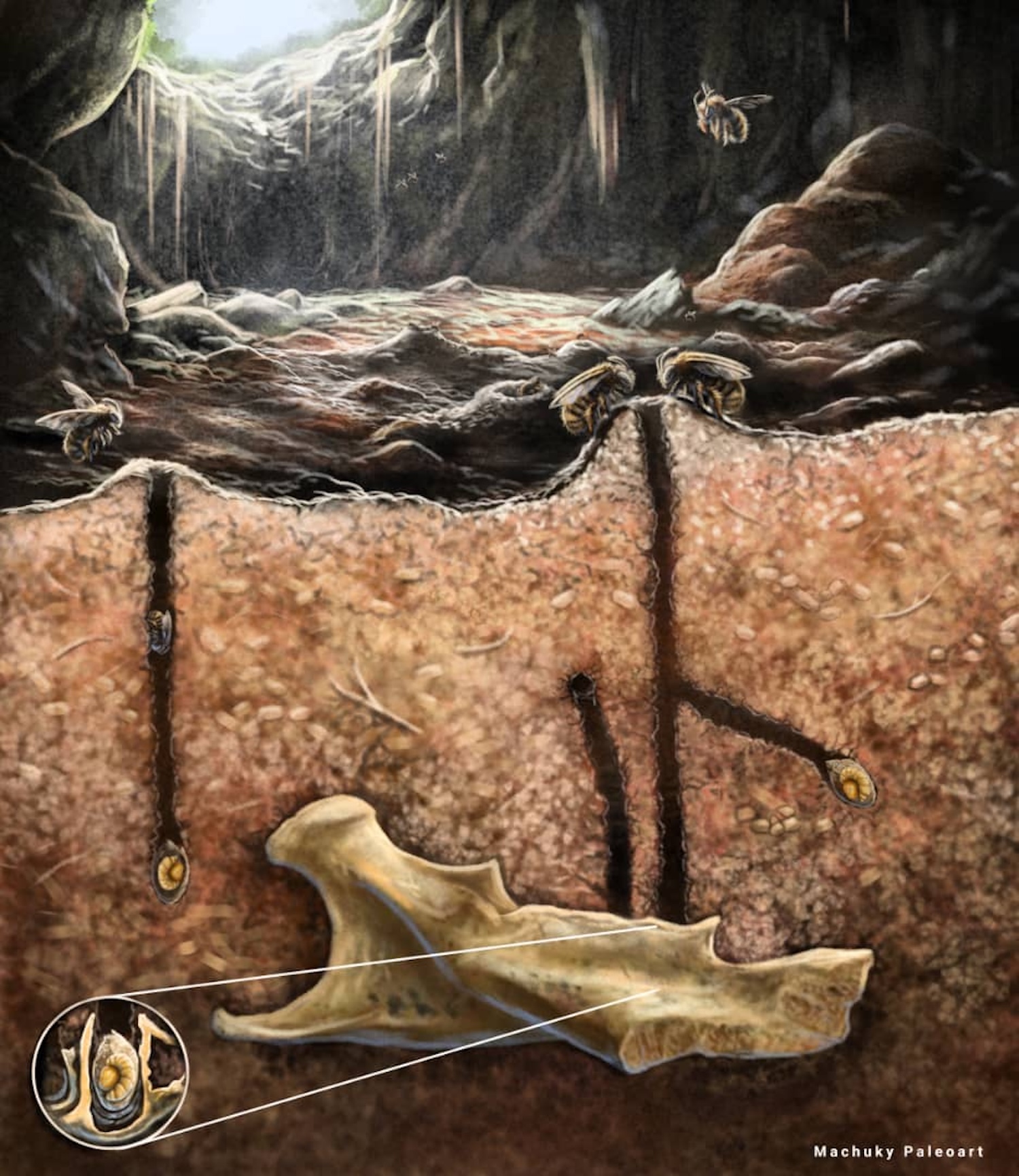
Bees are often thought of as part of large colonies with thousands of individuals. However, most bee species are actually solitary. They lay their eggs in small cavities and leave pollen for the larvae to eat. Some species burrow into wood or the ground, while others use empty structures for nests. In some cases, European and African bees even build nests inside snail shells. Yet, a beehive inside a bone is a completely new concept, even for experienced researchers.
The discovery was made during an exploration of the many limestone caves that are scattered across the island of Hispaniola. Sinkholes are common in the Caribbean region and often serve as natural time capsules due to their protection from the elements. These caves have preserved layers of bones over thousands of years, thanks in part to the work of owls that live inside them.
Owls often make their nests in these caves, and they frequently cough up owl pellets containing the undigested bones of their prey. Over time, these bones fossilize on top of carbonate layers formed during rainy periods. However, exploring these caves is not for the faint of heart. The initial descent isn’t too deep, but once inside, the environment can be challenging.
“The initial descent into the cave isn’t too deep—we would tie a rope to the side and then rappel down,” said Lazasro Viñola López, a researcher at Chicago’s Field Museum. “If you go in at night, you see the eyes of the tarantulas that live inside.”
After navigating about 33 feet of underground tunnels, the team began finding various fossils. These included rodents, birds, reptiles, and even sloths, totaling over 50 different animal species. The researchers believe that the cave was home to owls for many generations, possibly hundreds or thousands of years. The owls would hunt outside and return to the cave, where they regurgitated pellets. These pellets contained the remains of their prey, along with fossils of the owls themselves and other animals like turtles and crocodiles that may have fallen into the cave.
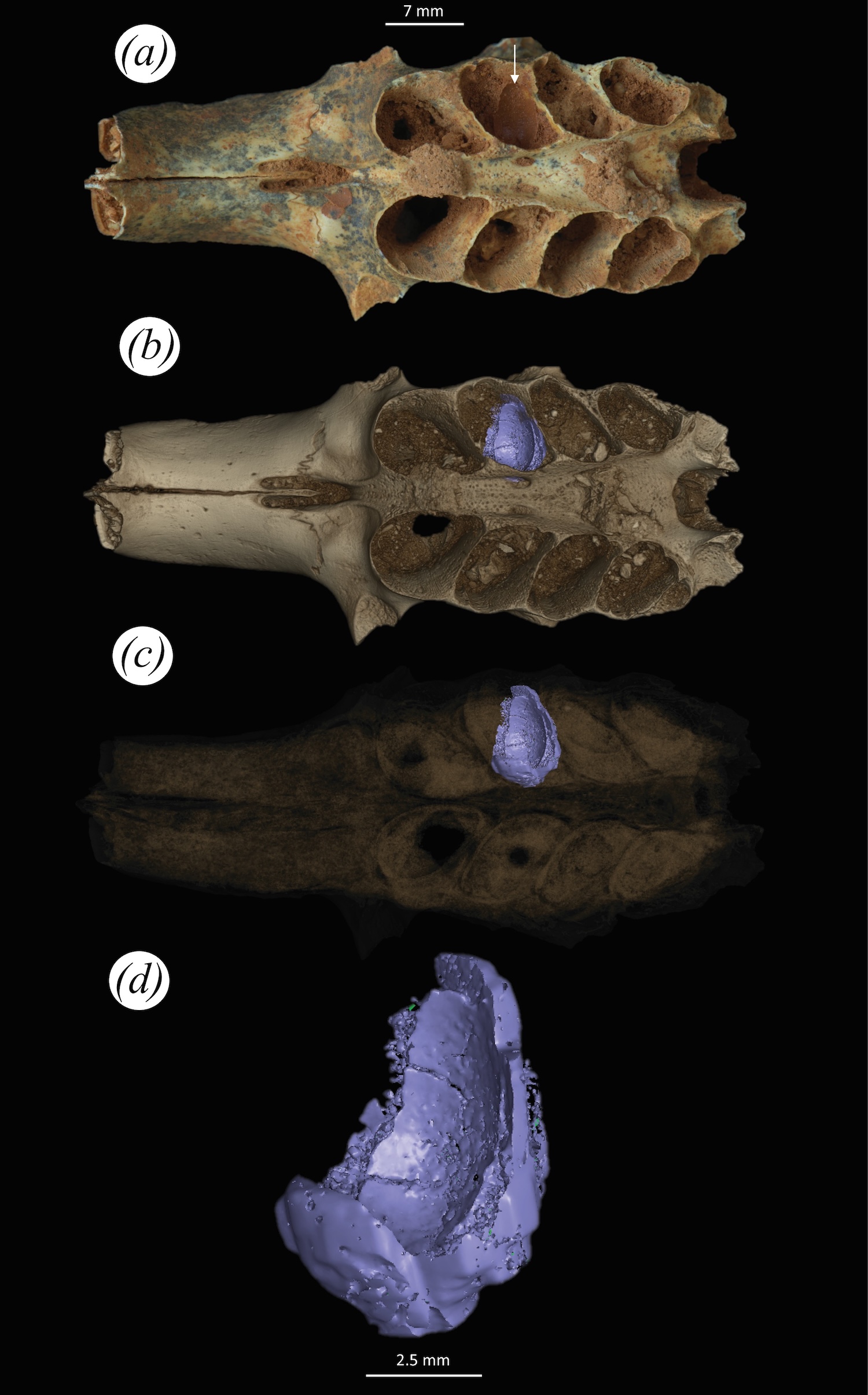
While cleaning his finds, Viñola López noticed smooth, almost concave sediment within one of the tooth sockets of a mammal jaw fossil. This unusual pattern didn’t match typical fossil formations. As he continued examining the specimens, he found more examples of this strange sediment.
“I was like, ‘Okay, there’s something weird here,’” he remembered.
The sediment structures reminded him of fossilized wasp cocoons he had studied during an undergraduate dig in Montana. After performing CT scans on the specimens, his team discovered that the structures were nearly identical to those from his earlier research. Some of the fossils even contained pollen grains, which likely served as food for the larvae.
Although the nests didn’t contain any fossilized insects, this wasn’t unexpected. The caves, while protected, are still humid and warm—conditions that aren’t ideal for preserving delicate exoskeletons.
“Since we didn’t find any of the bees’ bodies, it’s possible that they belonged to a species that’s still alive today,” said Viñola López. “There’s very little known about the ecology of many of the bees on these islands.”
This fossilized bone nest is the first of its kind ever discovered, both in ancient times and in modern ecosystems. More examples may exist, but it’s also possible that the unique conditions of the caves provided a special environment for the bees. With little soil on top of the region’s limestone, the insects may have turned to caves for nesting. There, the owls’ discarded bones offered a convenient alternative home for the bee larvae.
“This discovery shows how weird bees can be—they can surprise you,” said Viñola López. “But it also shows that when you’re looking at fossils, you have to be very careful.”

Post a Comment for "Ancient Bees Nested in Bones"
Post a Comment