Why Harley-Davidson Dealerships Are Shutting Down
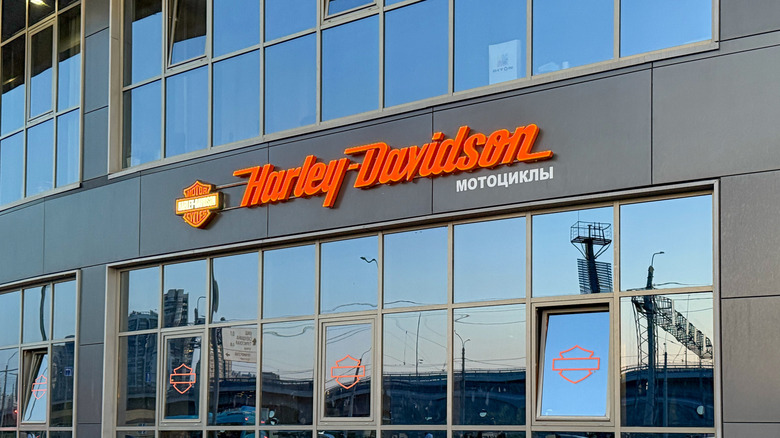
The Decline of Harley-Davidson Dealerships
The recent wave of Harley-Davidson dealership closures has sparked concern among motorcycle enthusiasts and industry observers alike. From iconic locations in San Francisco and New York City to smaller regional shops across Colorado, Wisconsin, and Florida, the trend is unmistakable: many Harley dealers are closing their doors. According to those in the business, the primary reason is simple—these dealers are no longer profitable.
For decades, Harley-Davidson dealerships thrived on a steady stream of sales. During the peak years, selling Harleys was seen as a reliable source of income. However, this changed significantly after the onset of the COVID-19 pandemic. While 2020 and 2021 saw record sales as people turned to recreational purchases, that momentum quickly faded once interest rates rose and consumer spending slowed. Dealers were left with excess inventory, and the costs associated with financing that stock skyrocketed. Some reported paying between $25,000 and $40,000 per month just in interest on unsold bikes sitting in showrooms.
Dealers who had invested millions into large, "Taj Mahal" style showrooms found themselves overwhelmed by rising operating costs as revenue declined. Additionally, Harley-Davidson’s online sales strategy has undercut dealer prices on essential items like clothing and accessories. This has led to reduced foot traffic and shrinking profit margins, making it increasingly difficult for dealers to sustain their businesses.
Corporate Pressures and E-Commerce Challenges
Dealers have pointed to corporate policies as a significant factor in the closures. One common complaint involves the company's push for costly showroom upgrades. Some dealers were required to spend millions on renovations, including tearing out floors, adding new expansions, and redesigning entire service areas. For smaller or family-owned dealerships, these expenses were nearly impossible to justify when profits were already low. Even with negotiated reductions, many still faced hundreds of thousands in renovation costs.
Inventory management has also been a major issue. Dealers claim that Harley sent them more bikes than they could realistically sell, forcing them to either take on excess stock or risk losing their franchise agreements. When interest rates climbed, the cost of financing that inventory (known as a floor plan) became overwhelming. This left dealers paying substantial monthly sums for motorcycles that often sat unsold for months.
At the same time, Harley-Davidson’s direct-to-consumer e-commerce efforts have eroded a key revenue stream for dealerships. Items such as jackets, helmets, and branded gear were once reliable add-ons when customers came into stores. Now, with Harley offering discounts of 40–60% online, buyers have little incentive to visit dealerships for these purchases. This shift has not only impacted profits but also reduced showroom traffic, which often led to motorcycle sales.
A Changing Market Landscape
Beyond internal challenges, broader market forces are also influencing the wave of dealership closures. Motorcycle demographics have shifted significantly over the years. Harley’s core demographic—older, wealthier riders—is aging out of the market, while younger generations have been slower to adopt the brand. Efforts to attract new riders with models like the LiveWire EV or the Pan America adventure bike have not delivered consistent results. Although initial sales were promising, demand has since dropped, leaving dealers with slow-moving inventory.
The overall size of Harley’s market has also shrunk. In 2006, the company sold over 344,000 motorcycles worldwide. By 2024, that number had dropped to just over 151,000. Fewer sales mean fewer bikes per dealer, and with more than 650 dealerships still operating in the U.S., the competition has become unsustainable. Dealers often find themselves fighting over the same shrinking pool of buyers, leading to price wars that further erode profits.
The Road Ahead
For many dealerships, the combination of declining demand, high costs, and corporate policies has made closure the only viable option. Unless Harley-Davidson, or whoever owns the company these days, finds a way to better support its dealer network while adapting to a changing rider base, more closures seem inevitable. The future of the brand depends on its ability to evolve and meet the needs of a new generation of motorcyclists.

Post a Comment for "Why Harley-Davidson Dealerships Are Shutting Down"
Post a Comment