Why Do Some Sarasota Residents Resist Selby Gardens' Changes?
Background on the Sarasota City Commission Meeting
At a recent meeting, the Sarasota City Commission reviewed an appeal from a Laurel Park resident who expressed concerns over the second phase of Marie Selby Botanical Gardens' master plan. The resident, Kelly Franklin, argued that the proposed changes would negatively affect her quality of life and property value. Despite her efforts, the commission voted 4-1 to deny her request for "aggrieved party" status.
Understanding Phase Two of Selby Gardens' Master Plan
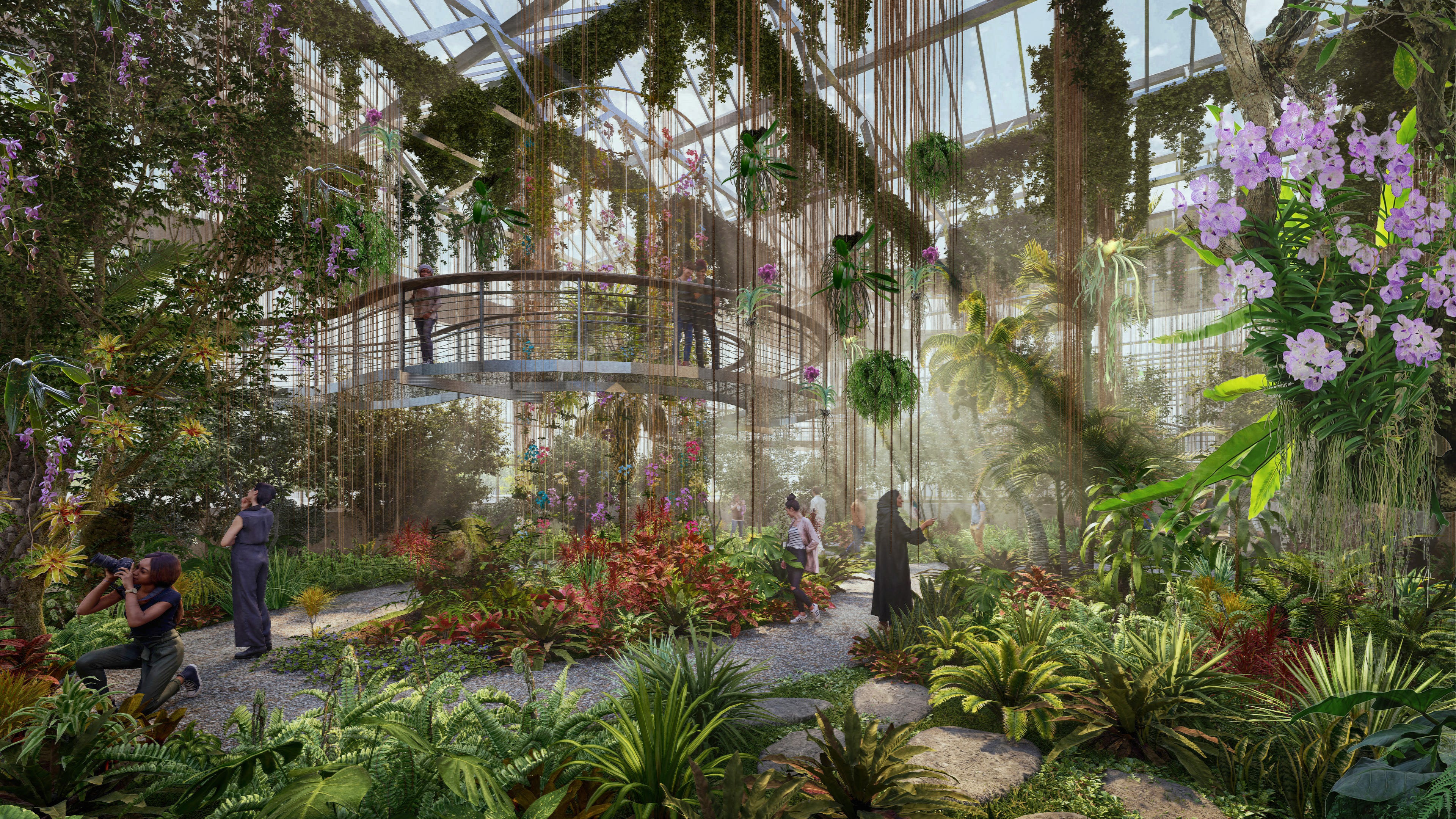
Phase Two of the botanical gardens’ three-part master plan includes the construction of a learning pavilion and a 35,770-square-foot conservatory. This conservatory is designed to showcase 95% of the garden's plant collection, significantly expanding its current display capacity of just 5%. The structure is also engineered to withstand hurricanes, ensuring the protection of delicate epiphyte collections.
The plan involves the removal of 102 trees, including seven grand trees. Five of these grand trees were identified as being in poor condition following the impact of Hurricanes Helene and Milton. As part of the project, nearly 200 new trees will be planted, along with the addition of a new learning pavilion and the hurricane-resilient conservatory featuring various plant biomes.
Community Concerns and Franklin’s Advocacy
Franklin has been actively opposing the tree removals, believing that the loss of these grand trees would have a significant impact on her quality of life and property value. She is a regular kayaker who frequently visits the botanical gardens and often captures photos of the local wildlife. Before the approval of Phase Two, she reached out to city staff and Selby Gardens leadership. Since the approval, she has taken further steps by publishing a guest column in the Herald-Tribune, launching a website, and creating an interactive video game to highlight her concerns.
City Commission’s Decision
The commission's decision to deny Franklin's "aggrieved party" status was based on the argument that even if there were violations of city code, it did not directly relate to the concept of "aggrieved party." Mayor Liz Alpert emphasized this point, while Vice Mayor Debbie Trice acknowledged Franklin's concerns but maintained that the discussion centered solely on whether she met the criteria for "aggrieved party" status.
Commissioner Jen Ahearn-Koch was the sole supporter of Franklin's request, citing that "quality of life" is a legally protected interest under the city's comprehensive plan. She also noted that citizen testimony could serve as competent substantial evidence for the commission to consider.
Overview of Other Phases of the Master Plan
The first phase of the master plan included the development of a welcome center, plant research center, research library, and the Living Energy Access Facility (LEAF) building. The LEAF building functions as a parking garage, gift shop, garden-level restaurant, and houses a 50,000-square-foot solar array. It also features a 140,000-gallon stormwater vault that captures, cleans, and returns stormwater runoff to Sarasota Bay.
Phase Three aims to restore the Payne Mansion, built in the 1930s and serving as the Museum of Botany & the Arts. Additional goals include unifying all walking paths, reinforcing the site’s sea walls, and renovating the docks.
Conclusion
The debate surrounding the Selby Gardens' master plan highlights the balance between development and community concerns. While the project aims to enhance the botanical gardens' facilities and sustainability, residents like Franklin are advocating for the preservation of natural elements that contribute to their quality of life. The ongoing dialogue reflects the complexities of urban planning and the importance of community engagement in such decisions.

Post a Comment for "Why Do Some Sarasota Residents Resist Selby Gardens' Changes?"
Post a Comment