Why Do Military Ships and Aircraft Use Gray Paint?
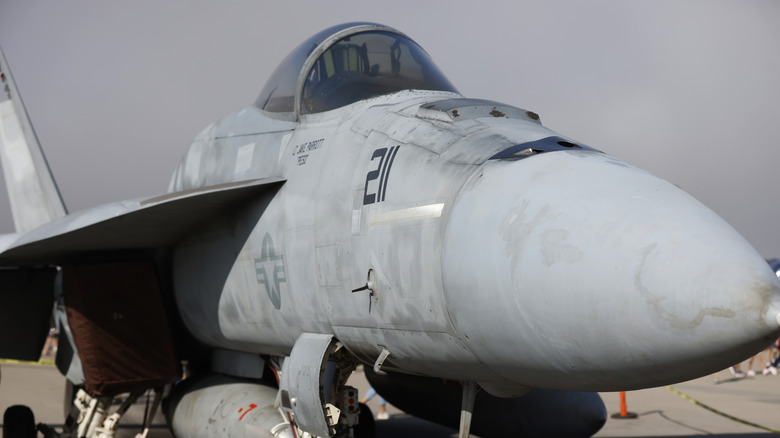
The History and Purpose of Gray in Military Vehicles
The use of gray as a primary color for ships and aircraft is deeply rooted in the need for visual concealment. In both open skies and seas, gray offers a more effective means of blending into the environment compared to brighter colors. While black creates a strong contrast and white stands out against darker backgrounds, gray has the unique ability to merge with cloud cover and sea spray. This characteristic makes it particularly useful for naval forces, as it helps vessels remain less visible on the horizon, especially in adverse weather conditions.
The U.S. Navy, one of the largest navies in the world, refers to this specific shade of gray as "haze gray." It was deliberately chosen to soften the outlines of ships against both the sea and sky. Lighter shades are often used on parts of the ship that are higher up, such as masts, while darker tones are applied to the lower hulls near the waterline. This strategic use of color ensures that the vessel remains as inconspicuous as possible from both above and below.
The Evolution of Aircraft Camouflage
Aircraft also benefit from the use of gray, though their transition to this color wasn't immediate. During World War II, the British initially used two-tone green and brown camouflage, which proved ineffective at high altitudes where planes stood out against lighter skies. As a result, they switched to "open gray" and "sea gray," making aircraft less visible during missions. By the 1940s, fighter planes like the Spitfire and reconnaissance aircraft like the Mosquito had adopted gray as their primary color.
Before this shift, early aircraft in World War I often featured bright paint or distinctive markings for morale and intimidation. One of the most famous examples was the Red Baron’s scarlet Fokker. However, these bright colors drew enemy attention, often with fatal consequences. As air combat became more intense, countries began adopting camouflage patterns suited to their environments. Germany used olive and lozenge patterns, France experimented with blue-gray tones, and Britain leaned on green and brown. By World War II, most air forces realized that high-altitude missions required muted colors, leading to the widespread adoption of overall gray schemes.
From Dazzle to Gray: A Shift in Naval Camouflage
In the early 20th century, ships experimented with bold camouflage techniques, including dazzle paint. Developed during World War I, dazzle used geometric shapes and contrasting colors to obscure a ship's outline and confuse rangefinders. While it was effective at the time, improvements in radar and optical targeting made dazzle obsolete. Gray eventually became the default color for ships because it could conceal vessels in multiple lighting conditions and was easier to maintain. It was also cost-effective and versatile, allowing forces to operate globally without constant repainting.
Gray in the Age of Modern Technology
Even with the advancement of modern technology, gray remains a staple in military design. Today, the reasons for using gray go beyond visual concealment. Combat aircraft and warships are often coated with radar-absorbent materials that reduce detection by electronic systems. These coatings typically appear gray, with iron or carbon particles embedded to absorb electromagnetic energy. While these technologies help counter radar and thermal imaging, visual camouflage still plays a role. Aircraft and ships can still be spotted by human eyes during close encounters, and gray helps delay recognition in those moments.
Some military forces have experimented with digital camouflage on aircraft, such as Russia's Su-57, or revived dazzle patterns on ships for ceremonial or experimental purposes. However, the effectiveness of gray lies in its versatility. It blends well enough across the skies and seas without being tailored to a single terrain. Alternatives like desert tan or jungle green are still used in limited roles, especially for ground forces or helicopters. But for naval fleets and combat aircraft, gray remains the best compromise.
The Future of Camouflage
While gray continues to dominate military design, the future may bring new developments. Active camouflage technology, which could change the future of warfare, is currently under research. If successfully implemented, this technology could allow vehicles to adapt their appearance in real-time, rendering traditional camouflage methods obsolete. Until then, gray will likely remain the standard for its balance, effectiveness, and practicality.

Post a Comment for "Why Do Military Ships and Aircraft Use Gray Paint?"
Post a Comment