Who's Wendy? 5 'Born to Run' Secrets Revealed
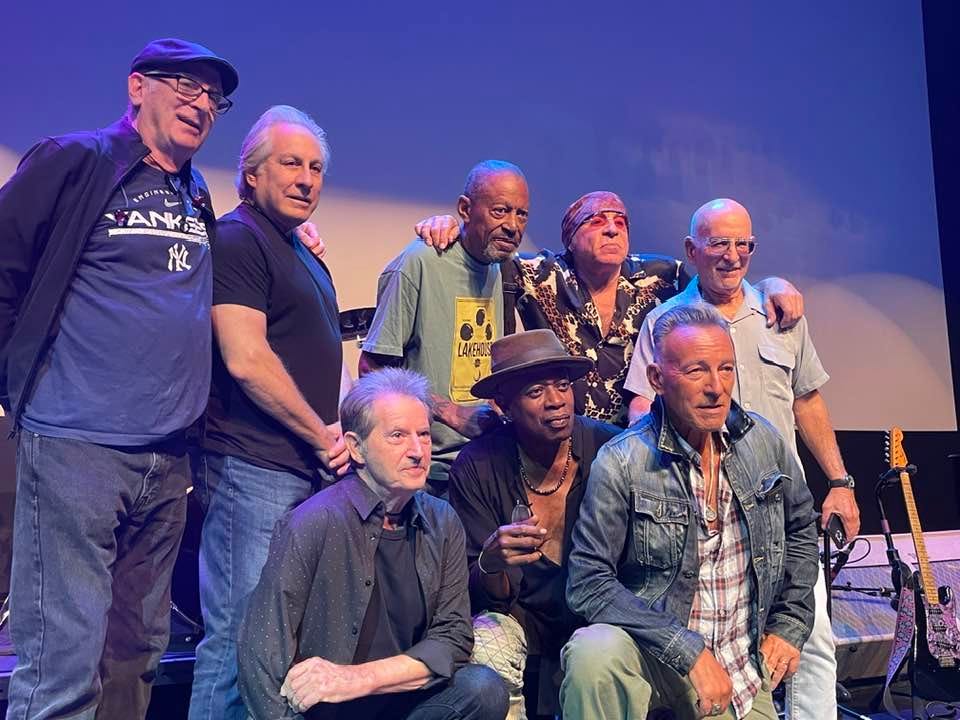
A Historic Celebration of "Born to Run"
A memorable evening unfolded at the Pollak Theatre on Monmouth University’s campus in West Long Branch, where Bruce Springsteen and the E Street Band delivered a two-song performance of “Thunder Road” and “Born to Run.” This special event marked the culmination of the Bruce Springsteen Archives and Center for American Music’s “Born to Run” 50th-anniversary celebration. The performance was particularly significant as it featured pre-1975 E Street Band members David Sancious on keyboards and Ernest “Boom” Carter on drums, joining forces with Max Weinberg, Steven Van Zandt, Garry Tallent, Roy Bittan, and Eddie Manion.
The night was not only a musical highlight but also a day filled with nostalgia, insights, and humor. Springsteen participated in three panels, one of which offered a deep dive into the creation of “Born to Run.” Among the revelations shared during the discussion were several fascinating details about the song's origins and inspiration.
Five Revelations from the “Born to Run” Panel
1. Who Was Wendy?
One of the most intriguing questions addressed was the identity of Wendy from the song. Springsteen revealed that he chose the name because of a Peter Pan poster featuring Wendy that hung above his bed in the bungalow he lived in while writing the song. “I’m not sure how it speaks to my adult life,” he joked, adding, “Actually, it explains quite a bit about that.”
2. The New York City Subway Connection
Springsteen found inspiration for “Born to Run” in a record store located within a New York City subway station. He described the shop as selling repressed singles and mentioned artists like Duane Eddy, Phil Spector, and the Beach Boys. “I wanted to write about the basic subjects of rock 'n' roll—cars and girls—but I didn’t want to sound like a retro act,” he explained. The opening of the song was influenced by Little Eva’s 1962 hit “The Loco-Motion.”
3. The ‘Dread’ Factor
The song’s themes reflect the turbulent times of the 1970s, including the Vietnam War, Watergate, gas shortages, and economic uncertainty. Springsteen emphasized the need to incorporate elements of loss of innocence and cynicism into the narrative. “I had to put all these things in the car with them—loss of innocence, cynicism, and a lot of dread,” he said.
4. The Mystery Behind “Born to Run”
Despite its iconic status, the origin of the phrase “Born to Run” remains unclear. Springsteen speculated that it might have come from a movie or a car seen around the Circuit in Asbury Park. “I still don’t know where it came from,” he admitted.
5. Cinematic Inspirations
The cinematic quality of both the song and album was intentional. Springsteen recalled childhood memories of watching movies with his mother, including the challenge of staying low in the theater to avoid paying full price. These experiences shaped his vision for “Born to Run,” giving it a narrative feel reminiscent of classic films.
Continuing the Legacy
The week-long celebration of “Born to Run” concluded with an academic conference on September 7 at Pozycki Hall. Footage from the events, including the main stage performance, will be available once the Springsteen Archives move to its permanent location in the spring. The legacy of this iconic album continues to inspire and resonate with fans and scholars alike, ensuring its place in music history.

Post a Comment for "Who's Wendy? 5 'Born to Run' Secrets Revealed"
Post a Comment