When and how to see the Milky Way's galactic center in the US
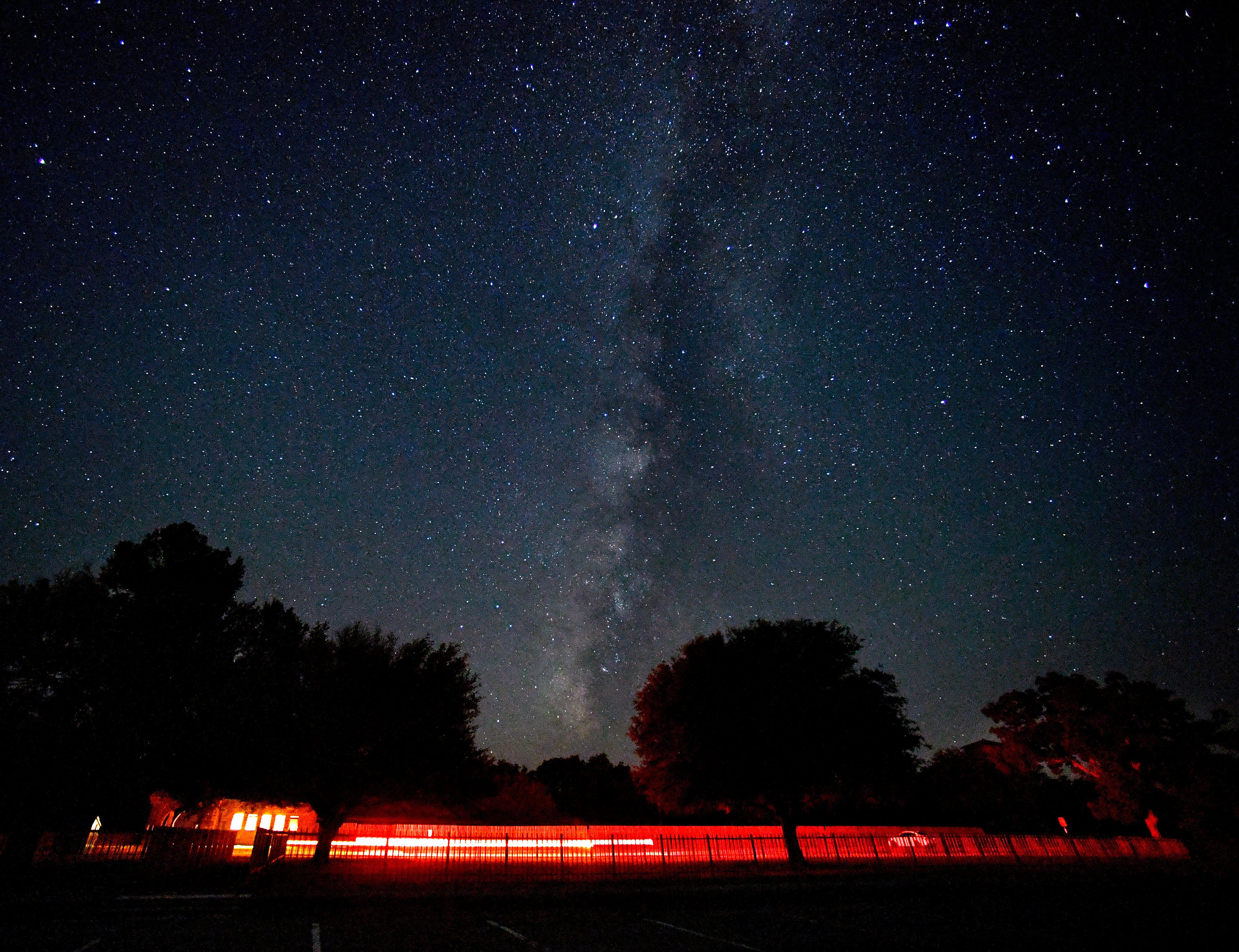
Understanding the Milky Way
The Milky Way is our home galaxy, a vast spiral of stars that stretches over 100,000 light-years in diameter. It appears as a rotating disc with a dense central region, which gives it its characteristic spiral shape. Earth is located on one of the galaxy's spiral arms, approximately halfway from the center. The Milky Way is part of a larger cosmic neighborhood known as the Local Group, which contains more than 50 other galaxies, ranging from small dwarf galaxies to large ones like Andromeda.
From our perspective on Earth, the Milky Way appears as a faint, milky band of light stretching across the sky. This is why it was given its name. However, the visibility of the Milky Way varies depending on the time of year and location.
When Is the Best Time to See the Milky Way?
While the Milky Way is always visible from Earth, certain periods offer better opportunities for stargazers to observe it. Known as "Milky Way season," this period typically runs from February to October. In the Northern Hemisphere, including the continental United States, the best time to see the Milky Way is generally from March to September. The further south you go, the longer the Milky Way season will last.
The galactic center, which appears as a bright spot in the night sky, becomes more visible during specific times of the year. According to NASA, the core of the Milky Way became visible in June and was expected to be visible every night through August as it rose higher in the sky. Although we are now into September, the Milky Way is still visible in the U.S., though it may be harder to spot. Southern states closer to the equator may continue to have decent views of the Milky Way through late-September.
Visibility in September and October
From September to October, the Milky Way is generally visible in the evening. During this time, the galactic center will appear at a vertical angle at the beginning of the night and gradually move until it reaches a horizontal position. A new moon phase, which began on Sunday, September 21, provides ideal conditions for viewing the Milky Way, as there is less celestial light to interfere with its visibility.
Meteorologist Joe Rao noted that as soon as darkness falls, the Milky Way becomes evident as a wide glowing arch of variety and beauty, stretching across the sky from the northeast to the southwest.
Tips for Observing the Milky Way
Stargazers can observe the Milky Way by looking for the Summer Triangle, a shape formed by three bright stars that spans across the galaxy. In the Northern Hemisphere, the Milky Way rises in the southeast, travels across the southern sky, and sets in the southwest.
To increase your chances of seeing the Milky Way, choose cloud-free nights and avoid areas with city light pollution. DarkSky International maintains a website that lists all designated dark sky communities around the world, including 163 locations in the United States.
Conclusion
Although the best time to see the Milky Way is coming to an end, there are still opportunities for stargazers to catch a glimpse of this stunning natural phenomenon. Whether you're an amateur astronomer or simply someone who enjoys the beauty of the night sky, the Milky Way offers a breathtaking view that is worth the effort to observe. With the right conditions and a bit of patience, you can experience the majesty of our galaxy.

Post a Comment for "When and how to see the Milky Way's galactic center in the US"
Post a Comment