Undersea Cables Severed in Red Sea, Disrupting Regional Internet Amid Rising Houthi Fears
Undersea Cable Cuts Disrupt Internet Connectivity in Asia and Middle East
A series of undersea cable cuts in the Red Sea have disrupted internet access in parts of Asia and the Middle East, according to experts. The incident has raised concerns about the vulnerability of critical digital infrastructure, though the exact cause of the damage remains unclear.
The Red Sea is a vital corridor for global internet connectivity, with several key undersea cables passing through its waters. These cables form the backbone of international data transmission, alongside satellite and land-based connections. While internet service providers typically have multiple routes to reroute traffic, disruptions can still lead to slower speeds and increased latency for users.
Impact on Key Regions
Multiple undersea cables have been affected, leading to noticeable slowdowns in internet services across several countries. Microsoft, based in Redmond, Washington, reported that the Middle East may experience increased latency due to the fiber cuts in the Red Sea. However, the company noted that traffic not routed through the region was unaffected.
NetBlocks, an organization that monitors internet access, confirmed that a series of subsea cable outages in the Red Sea have degraded connectivity in several nations, including India and Pakistan. The disruption appears to be linked to failures in the SMW4 and IMEWE cable systems near Jeddah, Saudi Arabia.
The South East Asia–Middle East–Western Europe 4 (SMW4) cable, operated by Tata Communications, and the India-Middle East-Western Europe (IMEWE) cable, managed by a consortium led by Alcatel Submarine Networks, are among the affected lines. Neither company has provided further details on the situation.
Regional Responses and Concerns
In Pakistan, the state-owned Pakistan Telecommunications Co. Ltd. acknowledged the cable cuts in a statement issued on Saturday. Meanwhile, Saudi Arabia has not officially commented on the disruption, and authorities there have not responded to requests for clarification.
Kuwait also reported issues with the FALCON GCX cable, which runs through the Red Sea. The disruption has impacted the oil-rich nation, but GCX has not yet provided any response to inquiries.
In the United Arab Emirates, internet users on state-owned networks such as Du and Etisalat experienced slower connection speeds. However, the government has not publicly addressed the issue.
Causes and Consequences of the Cuts
Undersea cables can be damaged by a variety of factors, including accidental anchor strikes from ships or deliberate attacks. Repairing these cables is a complex process that can take weeks, requiring specialized vessels and crews to locate and fix the damage.
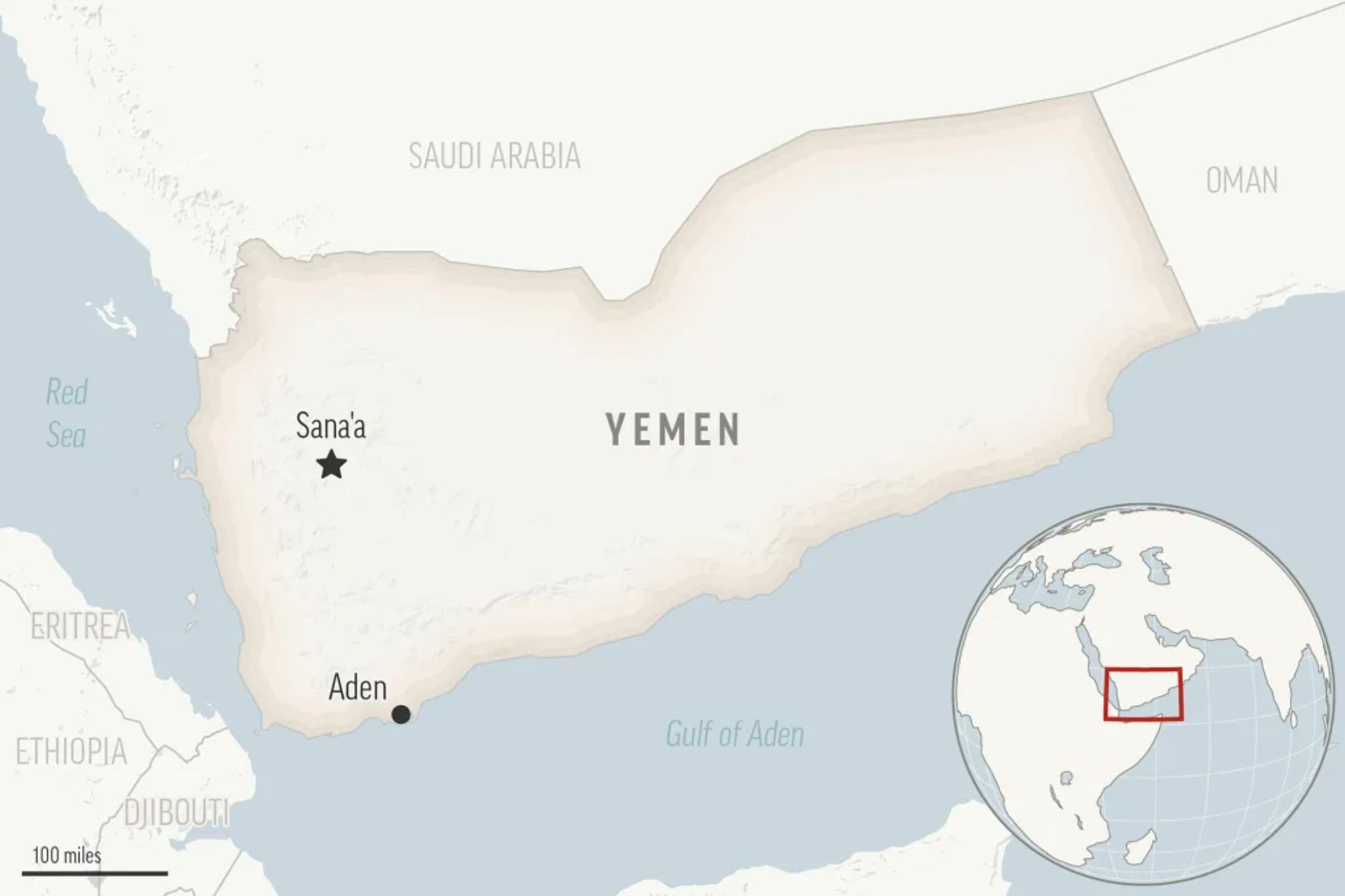
The recent incidents have occurred against the backdrop of ongoing tensions in the region. Yemen’s Houthi rebels, who are backed by Iran, have been involved in a campaign targeting Israeli interests in response to the Israel-Hamas war in Gaza. The Houthis have previously denied responsibility for previous cable cuts, but their al-Masirah satellite news channel acknowledged the latest disruptions, citing reports from NetBlocks.
Escalating Tensions and Broader Implications
The Houthis have carried out numerous attacks on ships in the Red Sea since November 2023, targeting vessels associated with countries that maintain ties with Israel. Over the course of this conflict, they have sunk four ships and killed at least eight mariners.
During a brief ceasefire in late 2023, the Houthis suspended their attacks. However, they later became targets of an intense airstrike campaign ordered by former U.S. President Donald Trump before a temporary truce was declared. In July, the Houthis sank two more vessels, killing at least four people and taking others hostage.
As new discussions about a potential ceasefire between Israel and Hamas continue, the situation in the Red Sea remains volatile. Additionally, the future of negotiations between the United States and Iran over Tehran’s nuclear program is uncertain following Israel’s recent military actions against Iranian facilities.

Post a Comment for "Undersea Cables Severed in Red Sea, Disrupting Regional Internet Amid Rising Houthi Fears"
Post a Comment