Trump's AI Image Inspired by "Apocalypse Now" Threatens Chicago with 'War'
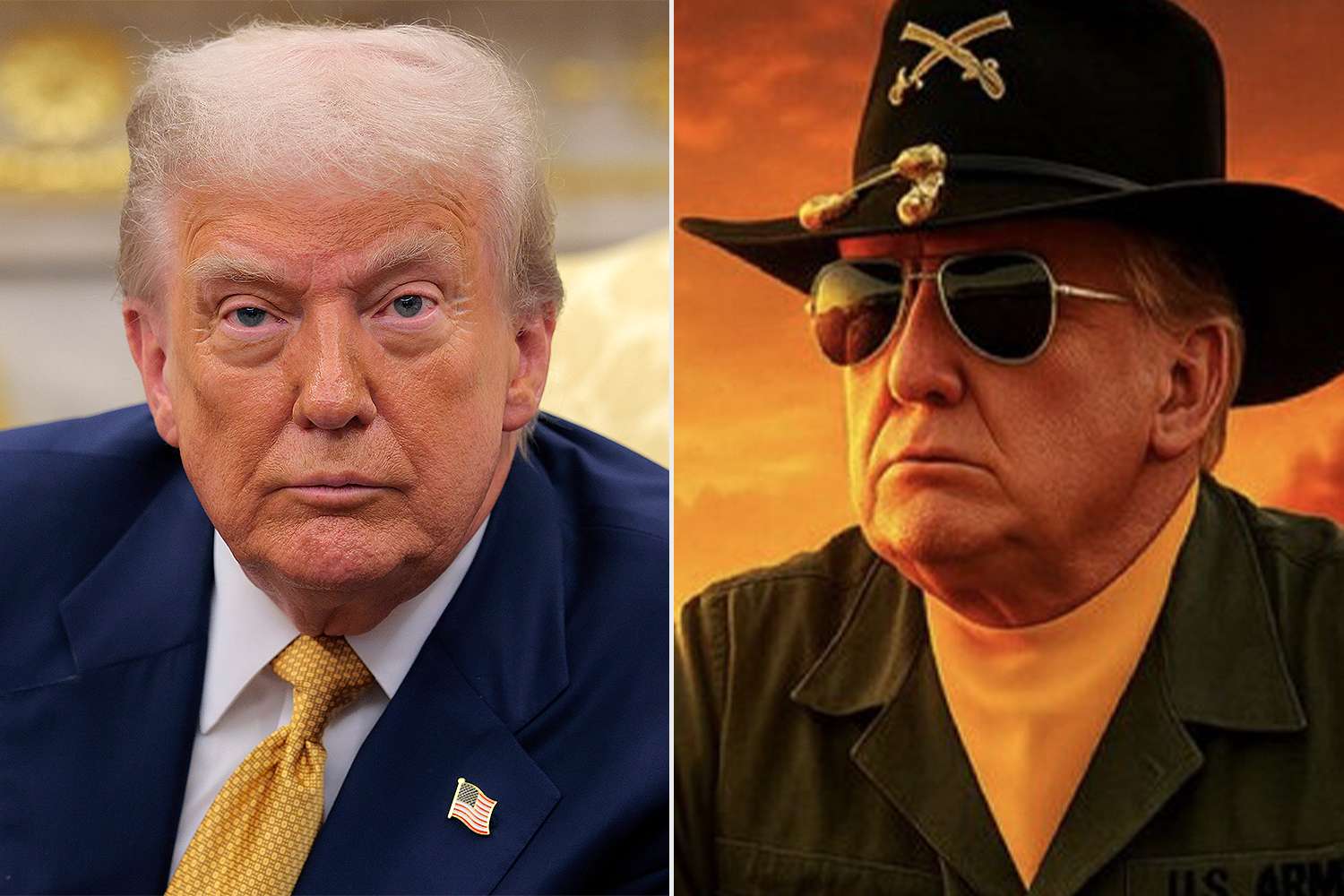
Trump's AI Image Sparks Controversy with Threats to Chicago
Donald Trump has once again stirred controversy by using an AI-generated image to send a strong message, this time targeting the city of Chicago. On September 6, the former president posted an image on Truth Social that depicted him as Lt. Col. Bill Kilgore, the iconic character from the film Apocalypse Now, played by Robert Duvall. The image, titled “Chipocalypse Now,” was a parody of the 1979 war film and showed Trump in a scene reminiscent of a war zone, complete with helicopters flying over Chicago’s skyline and a beach engulfed in fire and smoke.
The post included a threatening caption that referenced Trump’s plan to rebrand the Department of Defense as the “Department of WAR” and his aggressive immigration enforcement policies. The message read: “Chicago about to find out why it’s called the Department of WAR 🚁 🚁 🚁.” It also featured an altered version of the famous quote from Apocalypse Now: “I love the smell of deportations in the morning,” which replaced the original line, “I love the smell of napalm in the morning.”
This move came amid growing concerns over Trump’s plans to militarize Washington, D.C., and expand similar efforts to other cities. The former president had previously announced his intention to take control of the D.C. Metropolitan Police Department and deploy the National Guard to combat crime and address the homeless population. He has since expressed interest in extending these measures to cities like Chicago, Baltimore, and New York City.
Reactions from Illinois Governor and Chicago Mayor
Illinois Governor JB Pritzker and Chicago Mayor Brandon Johnson quickly responded to Trump’s post, condemning what they saw as a dangerous and inappropriate threat. Pritzker, a vocal opponent of Trump, warned residents of a potential surge in ICE agents in Chicago, citing reports of up to 300 agents being deployed this weekend. He criticized the president for suggesting that the U.S. government could threaten an American city, calling it “not a joke” and “not normal.”
In a statement on X, Pritzker wrote, “Donald Trump isn't a strongman, he's a scared man. Illinois won’t be intimidated by a wannabe dictator.” He emphasized that there is no emergency justifying the deployment of troops and accused Trump of insulting the people of Chicago by labeling their city a “hellhole.”
Mayor Brandon Johnson echoed these sentiments, stating that Trump’s threats were beneath the honor of the nation. He argued that the president’s actions represented an authoritarian attempt to occupy the city and undermine the Constitution. Johnson urged residents to protect their democracy and defend against what he called “authoritarianism.”
Trump’s Response and Continued Claims
Despite the backlash, Trump denied that his post was a threat of war. On September 7, he told reporters, “We're not going to war. We're going to clean up our cities.” He claimed that his actions were aimed at addressing crime and improving public safety, adding, “We're going to clear them up so they don't kill every five DISCOVER TRENDSevery weekend.” Trump described his efforts as “common sense” rather than an act of war.
However, his comments have raised concerns among critics who argue that his rhetoric and actions could escalate tensions and further divide communities. Trump has continued to push for military-style interventions in cities, even though he has not yet provided a concrete plan for sending troops into Chicago. He has also taken aim at Pritzker, accusing the governor of failing to address gun violence after several deaths occurred over Labor Day weekend.
Ongoing Debate and Public Reaction
The controversy surrounding Trump’s AI image and his statements has sparked a broader debate about the use of technology in political messaging and the implications of militarizing urban areas. While some supporters view his approach as a necessary step to restore order, others see it as a dangerous escalation of power and a threat to civil liberties.
As the situation continues to unfold, the reactions from local leaders and the public will play a crucial role in shaping the narrative around Trump’s actions. For now, the image and its message remain a focal point of discussion, highlighting the ongoing tensions between political rhetoric and real-world consequences.

Post a Comment for "Trump's AI Image Inspired by "Apocalypse Now" Threatens Chicago with 'War'"
Post a Comment