Trump Claims Late Night Jokes Impact FCC License Decisions
The Controversy Surrounding Jimmy Kimmel and the FCC
The recent decision by ABC to suspend Jimmy Kimmel’s late-night show has sparked a significant debate about the role of the Federal Communications Commission (FCC) in regulating broadcast content. This situation has drawn attention from both political figures and media professionals, with Donald Trump making notable comments on the matter.
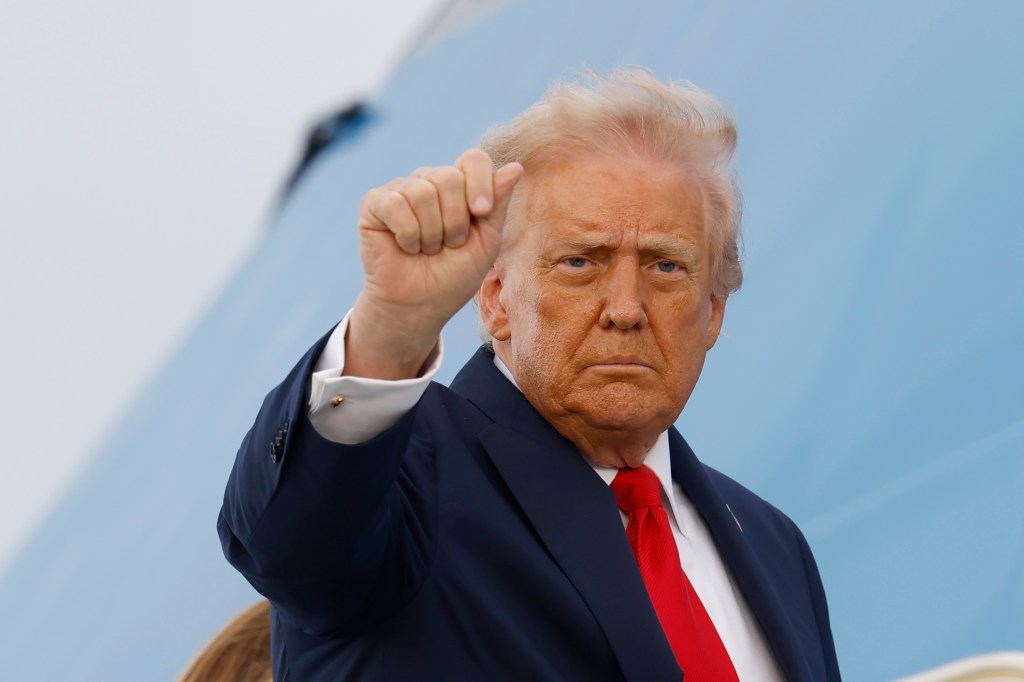
During a press conference aboard Air Force One, Trump expressed his views on how late-night hosts, particularly those on major networks, often focus their criticism on him. He suggested that the FCC should consider this when evaluating licensing renewals for broadcasters. According to Trump, these shows have become an extension of the Democratic Party, as they consistently target him without offering a balanced perspective.
This statement appears to echo the principles of the Fairness Doctrine, which required broadcasters to present diverse viewpoints on significant issues. However, this doctrine was abolished in 1987 under the Reagan administration. Its removal is often credited with contributing to the rise of partisan talk radio, especially with the emergence of conservative hosts like Rush Limbaugh.
FCC Chairman's Response and Industry Reactions
In response to Kimmel's remarks during his monologue, the FCC chairman, Brendan Carr, threatened potential actions against ABC and its stations. Kimmel had criticized the "MAGA gang" for attempting to distance themselves from a young individual involved in a murder incident. Carr addressed this issue on a podcast, stating that companies could either change their conduct or face further scrutiny from the FCC.
Following Carr's comments, several major station groups, including Nexstar and Sinclair Broadcast Group, announced that they would remove Kimmel's show from their affiliates. ABC subsequently decided to pull the show indefinitely. These actions highlight the growing tension between broadcasters and regulatory bodies.
Carr has consistently emphasized that broadcasters must operate in the public interest. In an interview on Hannity, he reiterated that the FCC is committed to enforcing this obligation. However, he also clarified that the FCC has limited authority over program content. Carr has previously stated that the FCC does not have the power to censor speech under the guise of the "public interest."
Legal and Political Implications
Anna Gomez, the sole Democrat on the FCC, raised concerns about the potential misuse of the FCC's authority. She argued that Carr's threats could be seen as an attempt to extract concessions from broadcasters, despite the lack of legal standing to sanction them based on Kimmel's comments. Gomez highlighted that the FCC does not have the constitutional right to police content or punish broadcasters for speech it dislikes.
She warned that even the threat of license revocation could pose a significant risk to broadcasters, as they rely heavily on their licenses to operate. This could lead to pressure on large companies to comply with government demands, potentially affecting their operations and business decisions.
Industry Responses and Ongoing Debates
The suspension of Kimmel's show has also prompted reactions from various industry groups. SAG-AFTRA, WGA, PGA, DGA, and IATSE have publicly criticized the decision, expressing concern over the implications for free speech and media independence. Additionally, hosts from "The View" have not addressed the suspension of Kimmel's show following the FCC chairman's threat.
This ongoing controversy underscores the complex relationship between media outlets, regulatory agencies, and political figures. As the debate continues, it remains to be seen how the FCC will navigate its role in ensuring fair and balanced broadcasting while respecting the First Amendment rights of broadcasters.

Post a Comment for "Trump Claims Late Night Jokes Impact FCC License Decisions"
Post a Comment