Thousands of Israeli Pilgrims Travel to Ukraine for Jewish New Year Celebration
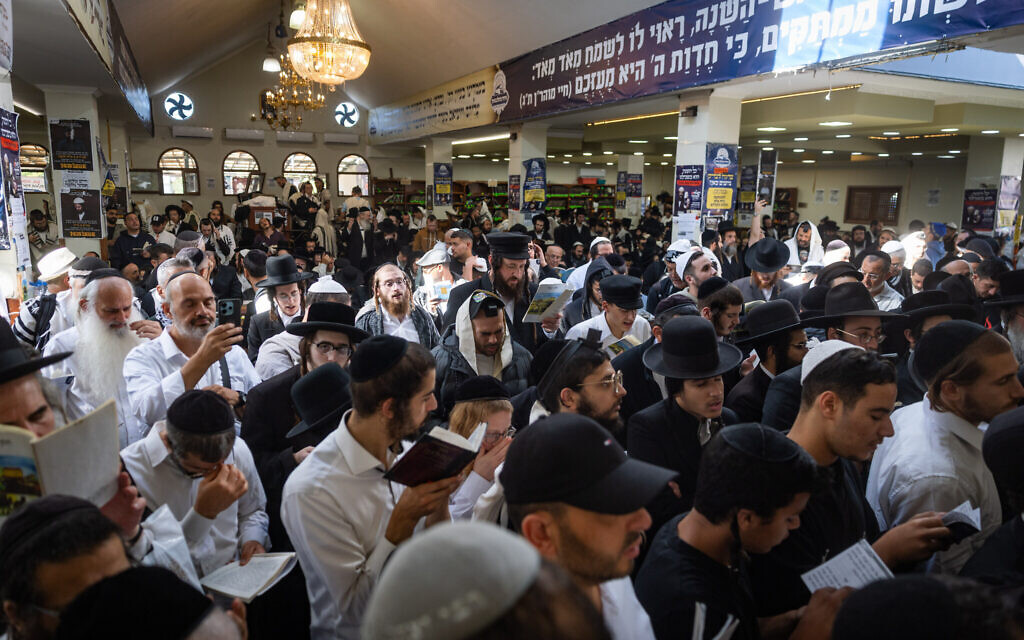
The Journey to Uman: A Pilgrimage Amid Conflict
Despite the challenges of traveling through a country in the midst of a full-scale war, thousands of Israeli pilgrims have made their way to the small central Ukrainian city of Uman for an annual religious event. This pilgrimage, centered around the tomb of Rabbi Nachman of Bratslav, is a significant tradition for many Jewish communities, especially among the Hasidic population.
Every year, tens of thousands of Jews from around the world travel to Uman to celebrate Rosh Hashanah, the Jewish New Year. This year, the festival falls on September 23-24. However, the journey has become increasingly complex due to the ongoing conflict in Ukraine and the heightened security measures at Ben Gurion Airport.
The pilgrimage was disrupted during the height of the COVID-19 pandemic but has since seen a resurgence. Even with the Russian invasion of Ukraine in 2022, which forced the closure of Kyiv’s airspace, the number of pilgrims has continued to grow. Many now travel through neighboring countries like Moldova and Poland before making the final leg of their journey by land.
Challenges and Logistics
Ukrainian Ambassador Yevgen Korniychuk shared that approximately 28,000 pilgrims have already arrived in the country, with more expected. He estimated that up to 40,000 may spend the holiday in Uman. However, the logistics of hosting such a large number of visitors are not without difficulties.
The Uman municipality faces increased security demands, yet it does not receive financial support from the Ukrainian government, which is stretched thin due to the ongoing war. This situation has prompted discussions about introducing a “pilgrimage visa” in the future. The idea is partly inspired by Israel’s previous efforts to facilitate the transit of pilgrims through neighboring countries.
While the mayor of Uman did not respond to requests for comment, the logistical challenges remain a concern. Prime Minister Benjamin Netanyahu’s government initially considered charging pilgrims a fee to cover the costs of securing their passage through Ukraine's neighbors. However, this proposal faced strong opposition from the public, who were upset at the idea of using taxpayer funds for a pilgrimage, particularly for a group that largely avoids military service.
Financial and Security Arrangements
In response to concerns over the cost of facilitating the pilgrimage, Israel proposed a plan to provide Moldova with NIS 20 million ($5.3 million). This funding was intended to cover the construction of a temporary terminal in Chișinău, as well as food, policing, and security. Despite these efforts, talks eventually broke down, and Moldova declined to authorize additional flights from Israel.
In contrast, Ukraine received some support in the form of a small police delegation, similar to what has been provided in previous years. According to the Ukrainian embassy in Israel, National Security Minister Itamar Ben Gvir agreed on a plan for dozens of Israeli police officers and medics to be deployed to Uman for the holiday. While the exact number of personnel remains unclear, the presence of these officers is a sign of the importance placed on the event.
Legal and Social Implications
The pilgrimage has also sparked legal and social debates. Over the past several weeks, ultra-Orthodox parties have lobbied for exemptions for draft-dodging yeshiva students. However, the Attorney General’s Office has stated that allowing such individuals to leave the country would be illegal. This has led to a surge in arrests at the airport, with reports of Haredi draft dodgers being detained in military prisons.
For those who manage to reach Uman, the pilgrimage is not only a spiritual journey but also a financial one. Accommodation, transportation, and entry fees add up quickly. According to David Axelrod, a host in Uman, pilgrims can expect to pay between $600-1000 for a flight, $200-350 for bus rides, and $300-700 for lodging. Additionally, there is a $27 fee to enter the city.
Interestingly, many of those attending the pilgrimage are not strictly ultra-Orthodox. Surveys indicate that a significant portion of Jewish Israelis, including those from secular backgrounds, have visited Uman. This diversity highlights the broader appeal of the event beyond just religious observance.
Conclusion
The pilgrimage to Uman continues to draw thousands of participants despite the challenges posed by war, security concerns, and financial hurdles. It remains a powerful symbol of faith and tradition for many, even as it sparks debate over its implications and the resources required to support it.

Post a Comment for "Thousands of Israeli Pilgrims Travel to Ukraine for Jewish New Year Celebration"
Post a Comment