The Unwanted "Polite" Behavior of Service Dog Owners—and the Better Alternative
Understanding Service Dogs and Common Mistakes
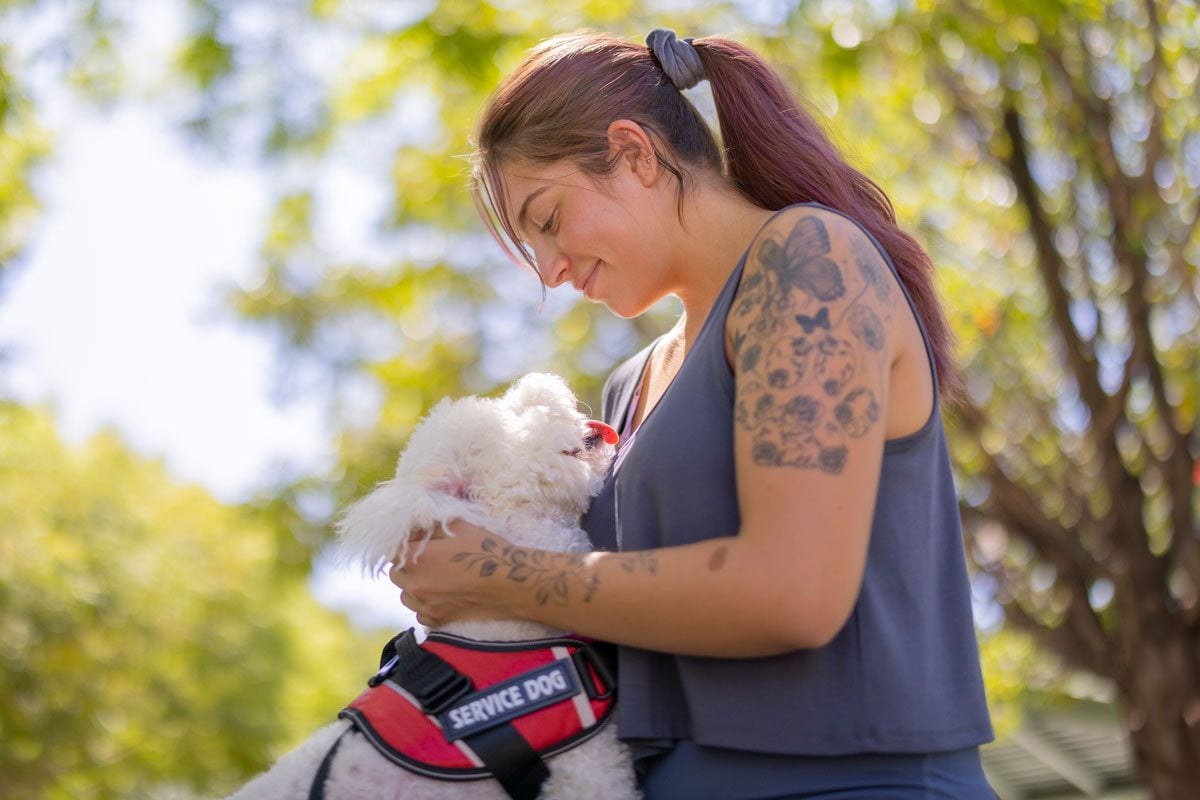
Service dogs play a critical role in the lives of individuals with disabilities. Unlike pets, these animals are specifically trained to perform physical tasks that help their handlers manage their conditions. Laurie Carlson, the community outreach coordinator for Can Do Canines, an organization that trains and places service dogs free of charge, emphasizes the importance of understanding how to interact with these working animals.
The Role of Service Dogs
Service dogs are not just companions; they are essential tools for people with disabilities. These animals undergo rigorous training to perform specific tasks, such as guiding the visually impaired, alerting to seizures, assisting with mobility, and even detecting allergies or medical emergencies. Under the Americans with Disabilities Act (ADA), service dogs are allowed in all public spaces, which differentiates them from therapy dogs or emotional support animals.
Therapy dogs provide comfort and support in settings like hospitals or schools, but they do not have the same legal protections or training requirements as service dogs. Emotional support animals, on the other hand, offer mental health benefits through companionship but require no formal training.
The Most Common Service Dog Mistake
One of the most frequent mistakes people make is interacting with a service dog without permission. This includes making noises like "kissy" sounds or whistling, which can be distracting and potentially dangerous. “Respect the working dogs,” says Carlson. Distracting a service dog could lead to serious consequences, such as the handler experiencing harm or missing a crucial alert during a medical emergency.
For example, if a person has epilepsy and their service dog is trained to detect an impending seizure, any distraction could prevent the dog from acting in time. Similarly, if a handler has mobility issues, a distracted dog might pull away, causing them to lose balance.
Other Service Dog Mistakes to Avoid
There are several other common mistakes people make when encountering service dogs:
- Never make assumptions about the handler’s disability. Not all disabilities are visible, so it’s important to avoid judgment.
- Speak to the handler, not the dog. This shows respect and ensures clear communication.
- Avoid personal questions. While curiosity is natural, it’s best to ask only what is necessary.
- Do not touch, feed, or talk to the dog. These actions can disrupt the dog’s focus and affect its ability to perform its duties.
When to Interact with a Service Dog
Carlson highlights one specific situation where interaction is appropriate: if you see an unattended service dog, follow them. They may lead you to their handler, who could be experiencing a medical issue. In such cases, the dog’s presence could be life-saving.
General Guidelines Around Service Dogs
As a general rule, never approach a strange dog—whether it's wearing a vest or not—without asking for permission. This is for your safety, but it's especially important around service dogs, as you might not realize they're on the job.
Some people may recognize a handler with a disability, such as someone using a wheelchair. However, many disabilities are invisible, like hearing loss, epilepsy, or diabetes. Additionally, while many service dogs wear vests or other identifying gear, it is not legally required. This means it’s a mistake to assume a dog is just a pet rather than a service animal.
Respecting the Handler’s Needs
While some handlers may be open to interactions if approached respectfully, the majority prefer that their dogs remain focused on their work. “These dogs are on the job, and safety comes first,” says Carlson. If a handler declines interaction, it’s important to understand that it’s not a personal rejection but a necessary part of their job.
Children often show interest in service dogs, and it’s important to explain to them that the dog is working to keep their handler safe. If the handler seems available, you can politely ask if they’re okay with your child asking questions.
Understanding and respecting the role of service dogs is essential for creating a safer and more inclusive environment for everyone. By following these guidelines, we can ensure that service dogs can continue to do their vital work without unnecessary distractions.

Post a Comment for "The Unwanted "Polite" Behavior of Service Dog Owners—and the Better Alternative"
Post a Comment