The 9 Healthiest Nuts You Should Eat, According to Experts
The Nutritional Power of Nuts
Nuts are often considered a powerhouse of nutrition, and for good reason. According to several nutrition experts, they offer a wide range of health benefits when consumed in moderation. While they are rich in nutrients, they also have a high calorie and fat content, making portion control an essential factor in maximizing their health benefits.
Experts agree that all nuts are healthy, but some varieties stand out due to their impressive nutrient profiles. These unique characteristics can contribute to specific health benefits, making them particularly valuable in a well-rounded diet.
Why Nuts Are So Good for You
Nuts provide a variety of health benefits when eaten in moderation. A 2023 review published in Foods highlights the spread of nutrients in nuts and their association with reducing risk factors for many chronic diseases. Another study from Nutrients found that consuming nuts may reduce the risk of heart disease by up to 25%. Additionally, a 2022 review in Nutrition Reviews suggests that eating a serving of nuts daily could help reduce the risk of depression and improve overall mood.
"Nuts are an excellent source of unsaturated fats, which are linked to improved cholesterol levels," says Katy Willbur, MS, RD, LDN, a clinical dietitian at the Frances Stern Nutrition Center at Tufts Medical Center. "Fats are important for energy, vitamin absorption, and cell structure."
Nuts are also rich in fiber, which most people only meet about half of their daily needs for, according to the American Heart Association. Fiber helps protect against chronic diseases and promotes feelings of fullness, aiding in weight management.
Magnesium is another key nutrient found in nuts. Dr. Lona Sandon notes that this mineral is essential for every organ in the body, and even mild deficiencies can lead to fatigue, weakness, and mood changes.
However, it's important to remember that while nuts are nutrient-dense, they're also calorie-dense. Portion control is crucial to reap the maximum benefits from the healthiest nuts.
The Healthiest Nuts You Can Eat
While all nuts are healthy, certain types offer additional benefits. Here are some of the top choices:
-
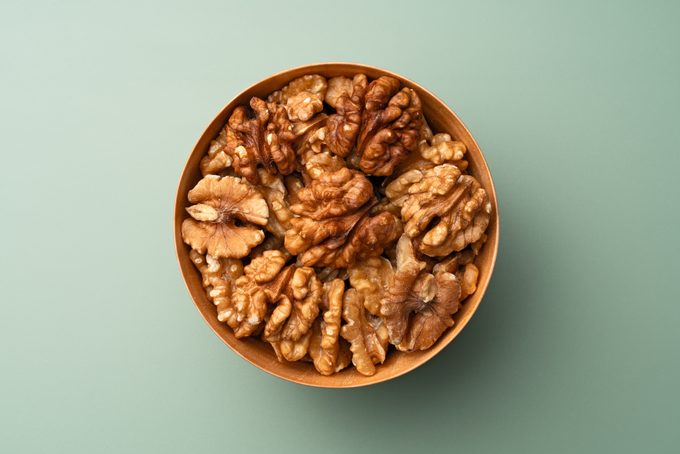
Walnuts
Known for their omega-3 fatty acids, walnuts are essential for health and have anti-inflammatory properties. They’re also high in antioxidants, fiber, and protein, and low in saturated fat. Research shows they can support heart health, brain function, immune system, and gut health. -
Almonds
Rich in monounsaturated fats, almonds help increase good HDL cholesterol and lower bad LDL cholesterol. They are also high in magnesium, fiber, and protein, and contain vitamin E, which many Americans don’t get enough of. -
Hazelnuts
High in magnesium, vitamins B and E, and unsaturated fats, hazelnuts also contain more calcium than many other nuts. Studies suggest they may help lower blood sugar and improve insulin sensitivity in those with type 2 diabetes. -
Brazil Nuts
These are the richest dietary source of selenium, which is essential for thyroid function, DNA synthesis, and reproductive health. However, they should be consumed in moderation due to the risk of selenium toxicity. -
Cashews
Cashews are associated with weight loss due to the fact that we don't fully absorb all of their calories or fat. They are also a good source of iron, which many Americans need more of. -
Pistachios
Pistachios contain lutein, which supports eye health, and are a complete plant protein. They also have powerful antioxidants and micronutrients like potassium and vitamins C and E. -
Peanuts
Although technically a legume, peanuts share similar nutritional profiles to other nuts. They are high in polyunsaturated fats, vitamin E, and B vitamins, and may help slow down aging at the cellular level. -
Macadamia Nuts
Macadamia nuts are high in healthy monounsaturated fats, which can lower the risk of heart disease. They also show potential for appetite suppression due to their high healthy fat content. -
Pine Nuts
Pine nuts have the highest levels of zinc compared to other nuts, which is important for brain health and heart health. They may also act as an appetite suppressant by increasing satiety hormones.
How Many Nuts Should You Eat?
A standard serving size of nuts is about 1 ounce (28 grams) or 1/4 cup by volume, which contains approximately 200 calories and 15 to 20 grams of fat. Nut butter servings should be around two tablespoons. Portion sizes may vary depending on individual calorie and fat intake.
Allergies and Considerations
About 0.5 to 1% of the U.S. population has a tree nut allergy, and some people may be allergic to specific types of nuts. It’s important to consult a specialist to determine safe dietary options. Additionally, Brazil nuts should be consumed in moderation due to their high selenium content, which can be toxic in large amounts.
How to Shop for Nuts
When purchasing nuts, choose those with minimal added ingredients such as salt, sugars, and oils. For nut butters, opt for natural varieties without additives. Be mindful of portion sizes, even with nut butters, and consider making your own seasoned nuts at home to avoid excessive sodium and unhealthy additives.
By incorporating a variety of nuts into your diet, you can enjoy their numerous health benefits while maintaining a balanced and nutritious lifestyle.

Post a Comment for "The 9 Healthiest Nuts You Should Eat, According to Experts"
Post a Comment