Senate GOP Threatens 'Nuclear' Move Against Schumer to Block Trump Staff
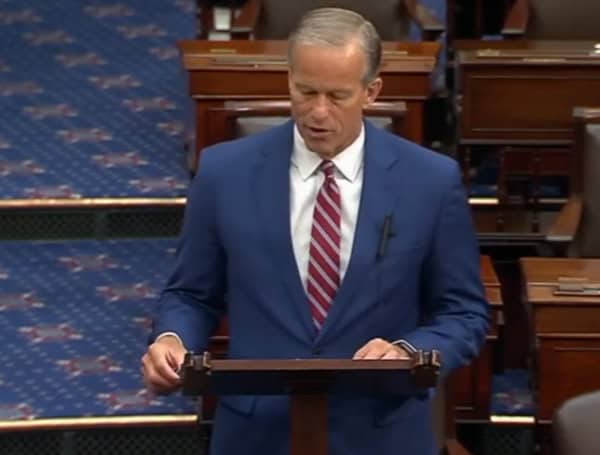
Senate Republicans Push for Historic Rules Change to Overcome Democratic Obstruction
Senate Republicans are preparing for a significant shift in the way the Senate confirms executive branch nominees, signaling a major departure from traditional procedures. This potential rules change could bypass months of obstruction by Senate Minority Leader Chuck Schumer and his Democratic caucus, which has blocked numerous Trump administration appointments. The move is expected to allow for group confirmations of lower-level officials, streamlining the process and addressing a growing backlog of stalled nominations.
The Nuclear Option: A New Strategy for Confirmation
Senate Majority Leader John Thune is anticipated to invoke what is known as the "nuclear option" as early as Monday. This procedural maneuver would enable the Senate to confirm multiple nominees at once, rather than requiring individual votes on each appointment. The reform is aimed at clearing a backlog of over 100 civilian nominees who have been held up for nearly seven months. If approved, the change could lead to a rapid confirmation vote for these individuals before the Senate’s scheduled recess on September 19.
The current stalemate has become a defining issue of the session, with Democrats consistently voting against every Trump nominee. This approach has forced the Republican majority to rely on time-consuming procedural votes for nearly every appointee, a stark contrast to past practices where many nominees were confirmed through voice vote or unanimous consent.
A Departure from Past Practices
This level of obstruction is unprecedented in recent history. For the first time since the Hoover administration, nearly a century ago, a president has faced such challenges at this point in their term. During Trump's first term, 65% of his civilian nominees were confirmed through voice vote or unanimous consent, compared to 57% for former President Joe Biden.
The current situation marks a dramatic shift from previous administrations. No civilian Trump nominee in his second term has been confirmed via voice vote or unanimous consent, highlighting the extent of the blockage.
Building on Previous Proposals
The proposed rules change is based on a 2023 proposal from Democratic Senator Amy Klobuchar, which aimed to allow the simultaneous confirmation of up to ten nominees. However, the Republican version is expected to be more expansive, with no cap on the number of nominees that can be confirmed at once. Importantly, the reform would not apply to judges or Cabinet nominees.
Senator Katie Britt, a member of the working group that developed the plan, noted that under the current procedural roadblocks, the Senate is on track to confirm only 426 nominees by the end of the 119th Congress—fewest in history.
Political Implications and Reactions
Majority Leader Thune emphasized that the current situation is largely the result of Democratic actions. “There isn’t anything right now that they want to vote for that he has his fingerprints on,” Thune said. “Getting his team in place is absolutely essential.”
The use of the nuclear option is not without precedent. Former Senate Majority Leader Harry Reid used it during President Barack Obama’s second term to lower the confirmation threshold for executive and judicial nominees. Similarly, Mitch McConnell invoked it to eliminate the 60-vote threshold for Supreme Court nominees.
Looking Ahead
With the Senate poised to implement this historic change, the focus will shift to how quickly the backlog of nominees can be addressed. The reform represents a major shift in Senate procedure and could set a new standard for future confirmations. As the political landscape continues to evolve, the impact of this rules change will be closely watched by both parties and the public.

Post a Comment for "Senate GOP Threatens 'Nuclear' Move Against Schumer to Block Trump Staff"
Post a Comment