"Sacrifice" Review: Cult Leader Anya Taylor-Joy Demands the Rich Burn in Romain Gavras' Bold Environmental Satire
A Satirical Take on Wealth, Power, and the Illusion of Change
The premise of "Sacrifice" might sound like a wild and satirical concept: a high-profile environmental gala in Santorini, attended by the world's wealthiest individuals, is disrupted by a group of armed youth who claim to be acting out a prophecy. This film, directed by Romain Gavras, blends humor with a deeper commentary on society, exploring themes of truth, performance, and the power of stories.
At the center of this narrative is Mike Tyler, played by Chris Evans. He’s a former movie star who has lost his way, both personally and professionally. His journey back into the public eye takes him to an environmental gala where he is both a participant and a punchline. The event is filled with irony, as attendees are surrounded by slogans like “Make Earth Cool Again,” yet their actions seem detached from the very cause they claim to support.
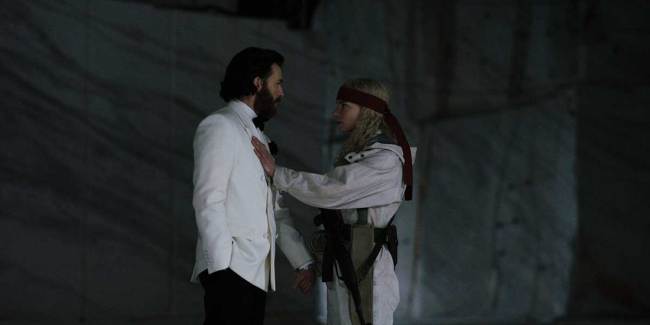
As the story unfolds, it becomes clear that the film is not just about the absurdity of the situation but also about the broader implications of how society perceives change. The characters, including the enigmatic Joan (Anya Taylor-Joy), represent different facets of this complex dynamic. Joan and her followers believe that the only way to save the planet is through extreme measures, which leads to a series of intense and chaotic events.
The film’s tone shifts throughout, moving from a comedic and fast-paced narrative to something more introspective and thought-provoking. This transition highlights the tension between the desire for change and the reality of societal complacency. Gavras uses this contrast to question the effectiveness of storytelling in driving real-world change.
One of the most compelling aspects of "Sacrifice" is its exploration of the role of media and public perception. The film critiques the way in which narratives can be manipulated to serve specific agendas, often at the expense of genuine action. This theme is particularly evident in the portrayal of Mike, whose attempts to regain relevance are met with mockery and indifference from those around him.
The visual style of the film is striking, with Gavras employing a range of techniques to convey the intensity of the situations. From the initial setting of the quarry to the dramatic scenes of confrontation, the film is visually engaging and emotionally charged. However, some viewers may find the latter half of the film to be less cohesive, as it delves into more abstract and philosophical territory.
Despite these challenges, "Sacrifice" remains a powerful commentary on the state of modern society. It raises important questions about the nature of change, the role of individuals in shaping the future, and the impact of stories on our collective consciousness. The film suggests that while stories have the potential to inspire change, they must be accompanied by real action and commitment.
In conclusion, "Sacrifice" is a bold and ambitious film that tackles complex themes with a mix of humor and seriousness. It invites viewers to reflect on their own roles in the ongoing narrative of societal change and the importance of taking meaningful action. While it may not fully resolve all of its thematic questions, it succeeds in provoking thought and discussion about the power of stories and the need for genuine transformation.

Post a Comment for ""Sacrifice" Review: Cult Leader Anya Taylor-Joy Demands the Rich Burn in Romain Gavras' Bold Environmental Satire"
Post a Comment